Hardening Off: The Checklist Before Seedlings Go Outside
Seedlings raised indoors are soft. Move them outside too fast and a single cold night or a gust of wind can set them back for weeks. This checklist eases the transition over about a week.
Seeds started indoors or in a greenhouse grow up sheltered — steady warmth, no wind, no direct sun beating down. That comfort makes them tender. The moment they go into open ground they face cold, wind and strong light all at once, and the shock can stall them or kill them outright. Hardening off is simply the process of getting them used to the outside gradually.
It takes about a week of small steps rather than one dramatic move. Use this checklist as a guide; adjust the timings to your weather.
Before you start
- Check the forecast. Do not begin if a cold snap or strong winds are coming. Wait for a settled spell.
- Water first. Seedlings that go out dry suffer more. Give them a drink beforehand, but do not leave them soggy.
- Pick a sheltered spot. A spot out of the wind, ideally with some shade for the first days, is far kinder than an exposed bed.
- Choose the right plants first. Hardy seedlings can start earlier; tender ones such as tomatoes, peppers and courgettes need warmer, settled weather.
A rough seven-day schedule
| Day | Outdoors | Notes |
|---|---|---|
| 1–2 | 2–3 hours, in shade | Bring them in at night. Watch for wilting. |
| 3–4 | Half a day, some sun | Short spells of direct sun, still indoors at night. |
| 5–6 | Most of the day, full light | Still bring them in if nights are cold. |
| 7 | Leave out overnight | Only if nights are mild and settled. |
In cold climates, stretch this over ten days to two weeks. If in doubt, slow down — a little extra time indoors never hurts.
Reading the plants
- Wilted in the afternoon, recovered by evening. Normal at first. Give them a little shade and carry on.
- Purple or blue-tinged leaves. A sign of cold stress. Bring them in and wait for warmer weather.
- Pale, scorched patches. Too much direct sun too soon. Move them into shade for a few days.
- Stretched, spindly stems. They were kept too warm or too dark indoors. Harden them off gently and plant them a little deeper if the stems allow.
Planting out
Once hardened, plant your seedlings out on a mild, overcast day if you can — it is far less stressful than a hot, sunny one. Water them in well, and keep the soil evenly damp for the first week or two while the roots spread into their new surroundings.
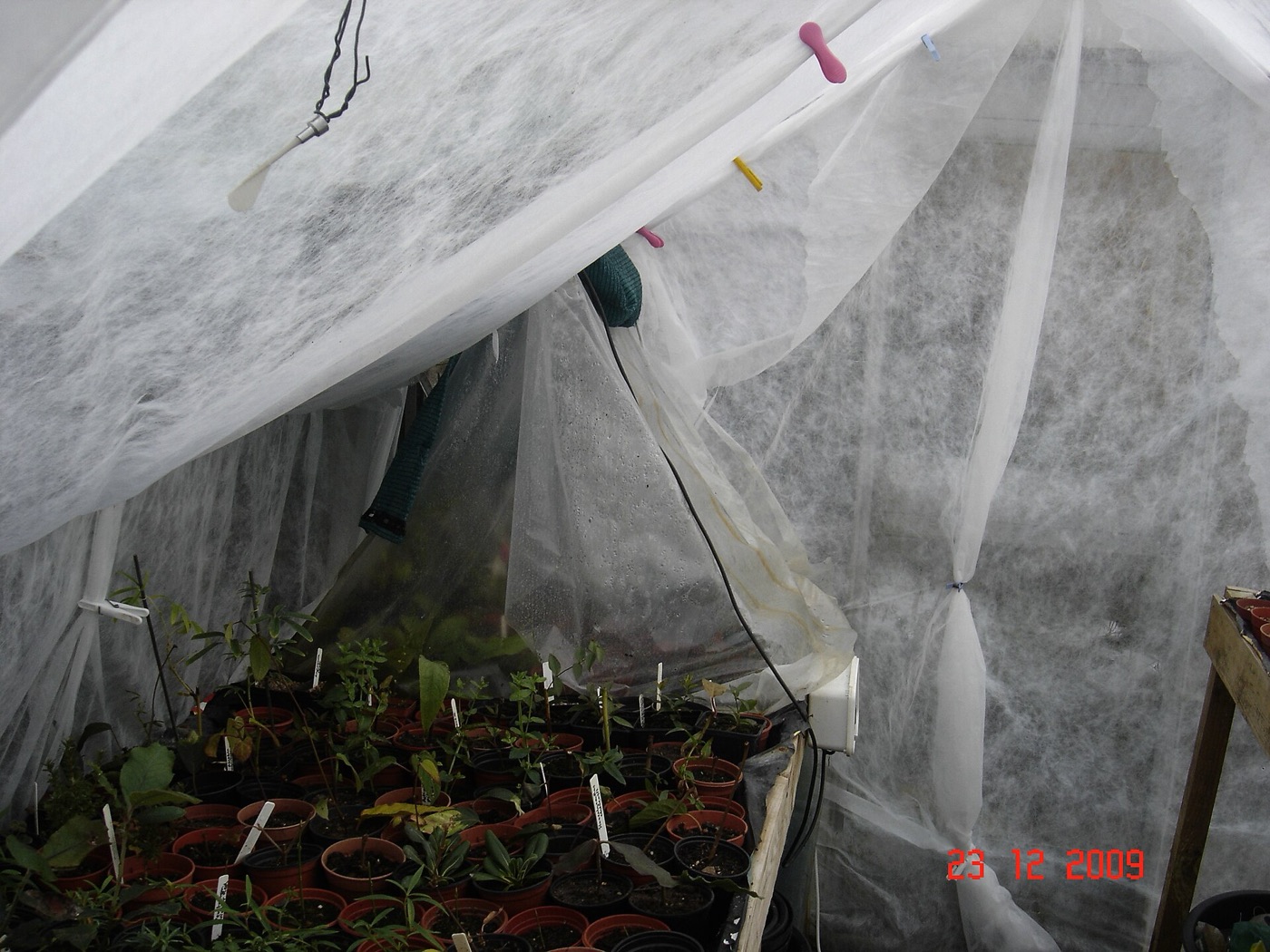
A short row cover or cloche over the first few nights gives extra protection and can rescue the whole batch if the weather turns. It is cheap insurance after all the weeks you spent raising them.
After planting
Hardening off does not end at planting. Newly moved seedlings are still vulnerable for a week or so. Keep an eye on them, water during dry spells, and shield them from slugs and strong wind while they settle. Once you see fresh growth, the plants have taken hold and the delicate stage is over.
It differs by plant
Not every seedling needs the same treatment. Hardy plants — brassicas, onions, many salad leaves — tolerate cool weather and can be moved out earlier with a shorter transition. Half-hardy plants such as lettuce and some herbs sit in the middle. Tender crops like tomatoes, peppers, courgettes and sweetcorn sulk below about 10°C and should not go out until nights are reliably mild.
It also helps to know where your plants were raised. A greenhouse, even an unheated one, is closer to outdoor conditions than a warm windowsill, so those plants need less time to adjust. Soft, fast-grown seedlings from a hot indoor spot need the gentlest, slowest introduction.
Common mistakes
- Skipping straight to a full day. The most common error. Seedlings scorch or stall; always build up over several days.
- Forgetting about wind. Wind dries leaves faster than sun does. A breezy day is more damaging than a bright one, so choose a sheltered spot.
- Leaving them out overnight too early. Cold nights undo a week of progress. Wait until you are confident the temperature will hold.
- Letting them dry out on the first days out. More exposure means faster drying. Check the compost daily while they are outdoors.
- Hardening off and then planting into bone-dry soil. Water the planting hole or the row beforehand, so the roots meet moisture, not dust.
Tools for this guide
Related guides
Sources and research notes
Timings follow general UK horticultural guidance on raising and transplanting seedlings; adjust for your local climate and the plants you are growing.
Written and edited by the Seedledge Editorial. Every guide answers one real growing question, is checked against the sources listed above, and is updated when guidance changes. We are an independent editorial desk, not horticultural professionals — read how we research and update our guides.