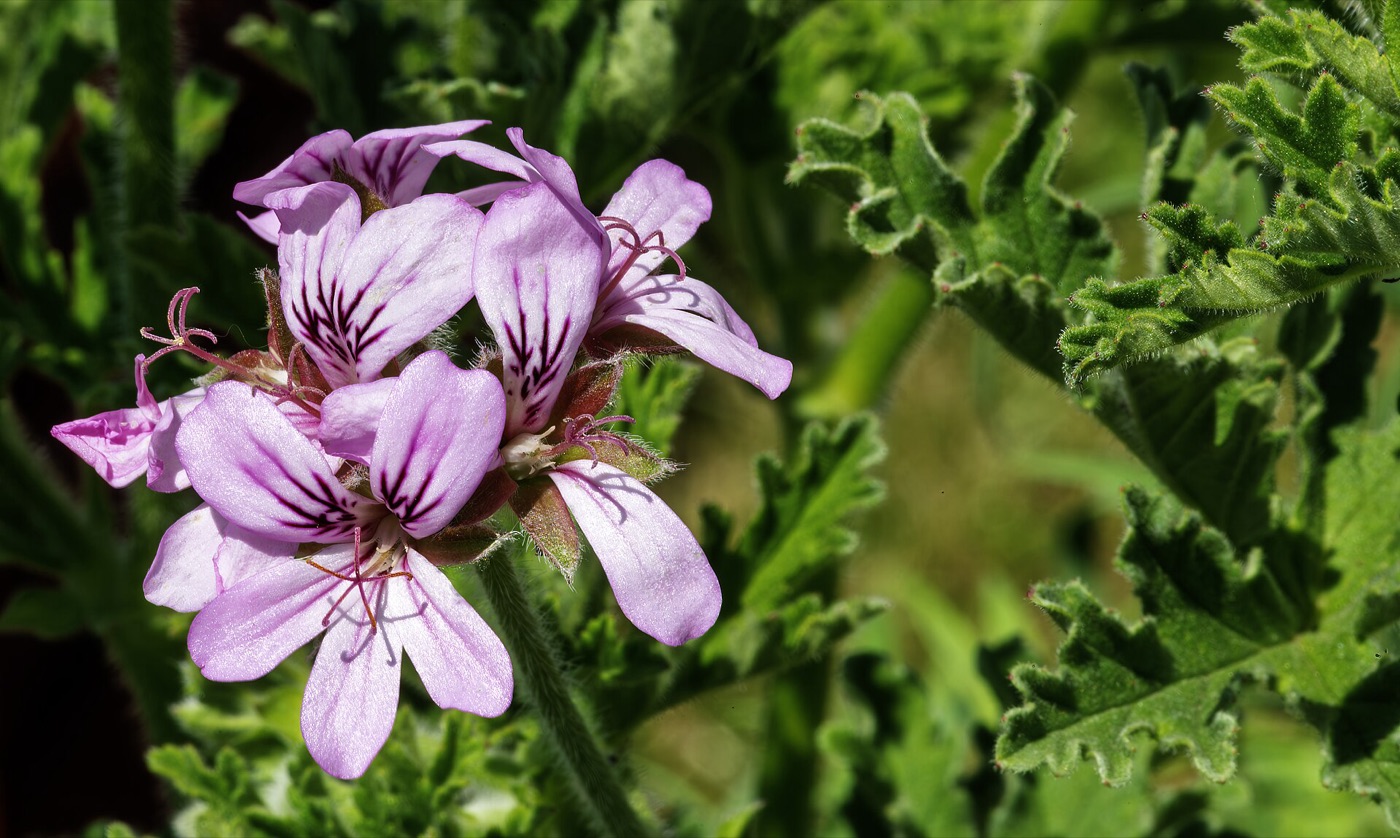
How to Take Pelargonium (Geranium) Cuttings
Pelargoniums root from a stem cutting in a couple of weeks and flower the same year. One plant, taken in late summer, becomes a windowsill full by spring.
Quick answer
Snap a healthy shoot, strip the lower leaves, and root it in free-draining compost
- When
- Late summer to early autumn, from firm new growth.
- Material
- A non-flowering shoot about 10 cm long.
- Method
- Cut below a node, remove lower leaves, insert in gritty compost.
- Rooting time
- Roughly two to four weeks.
Why take pelargonium cuttings
Pelargoniums — the bedding "geraniums" sold in garden centres — are tender perennials that flower the same year from cuttings, unlike seed-grown plants that take much longer. Cuttings also keep a favourite variety exactly as it was, and they are far easier to overwinter as small rooted plants than as big, leafy specimens.
When to take them
Late summer to early autumn is ideal: the plants are at their best, growth is firm, and the new cuttings have time to root before light and warmth fall away. Take them from healthy, non-flowering shoots. If a shoot is flowering, either use one that is not, or pinch off the flower bud so the cutting puts its energy into roots.
Step by step
- Choose a healthy shoot. Pick strong, green, flower-free growth, ideally the tip of a stem.
- Cut just below a node. Take a piece about 8–10 cm long with clean, sharp scissors or a knife, cutting just below a leaf joint.
- Trim and strip. Remove the lower leaves so a bare stem is left to insert, and pinch out the growing tip to encourage branching.
- Let it callous. Pelargonium stems are fleshy; leaving them an hour or two to dry at the cut end helps prevent rot.
- Insert in gritty compost. Put the cutting into free-draining compost, or a mix of compost and perlite, so the lower nodes are buried.
- Water and keep warm. Water in and keep the pot warm and bright but out of strong direct sun. A little bottom heat speeds things up.
- Wait for roots. Two to four weeks is typical; a gentle tug that resists means roots have formed.
Aftercare and overwintering
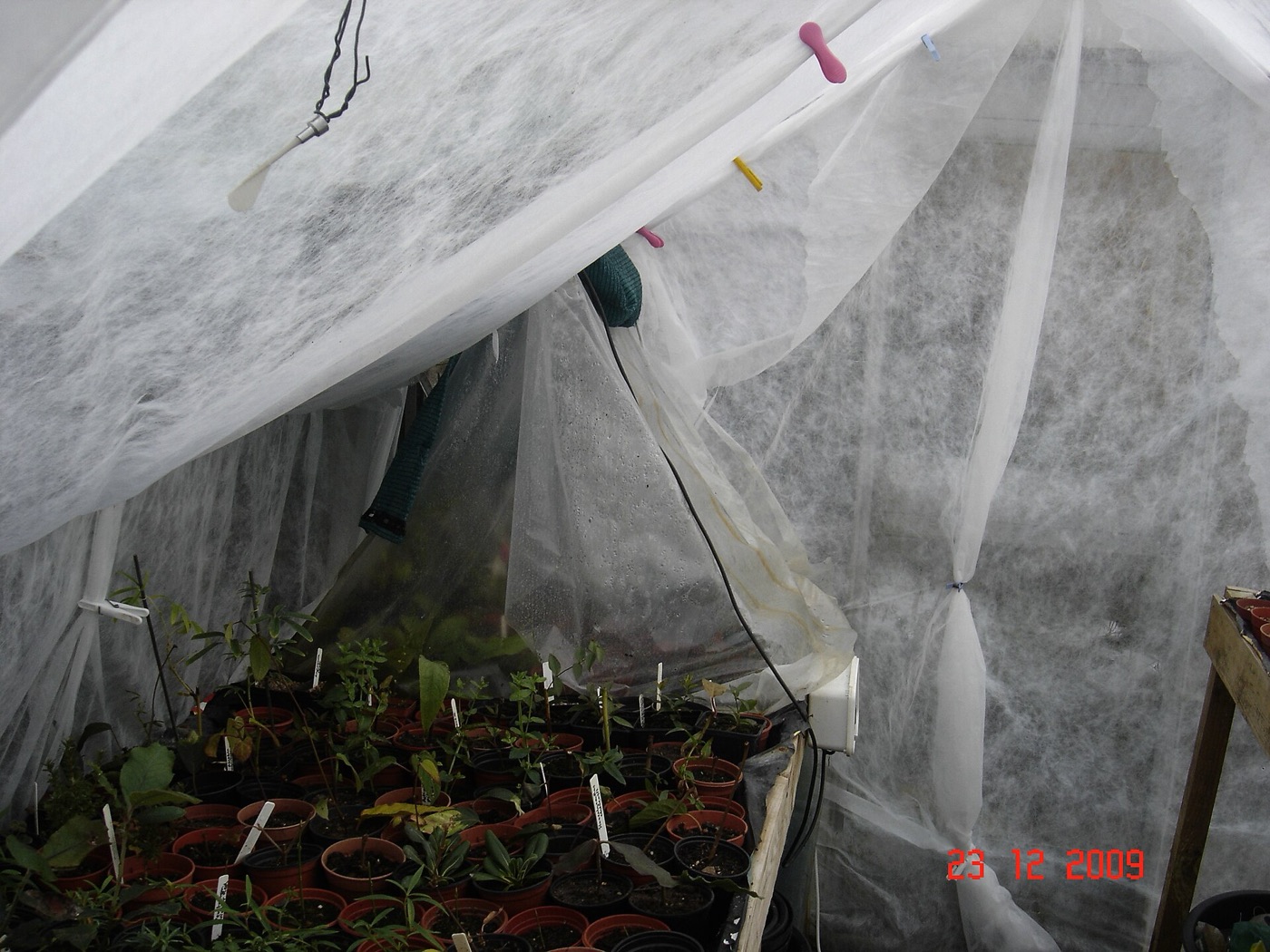
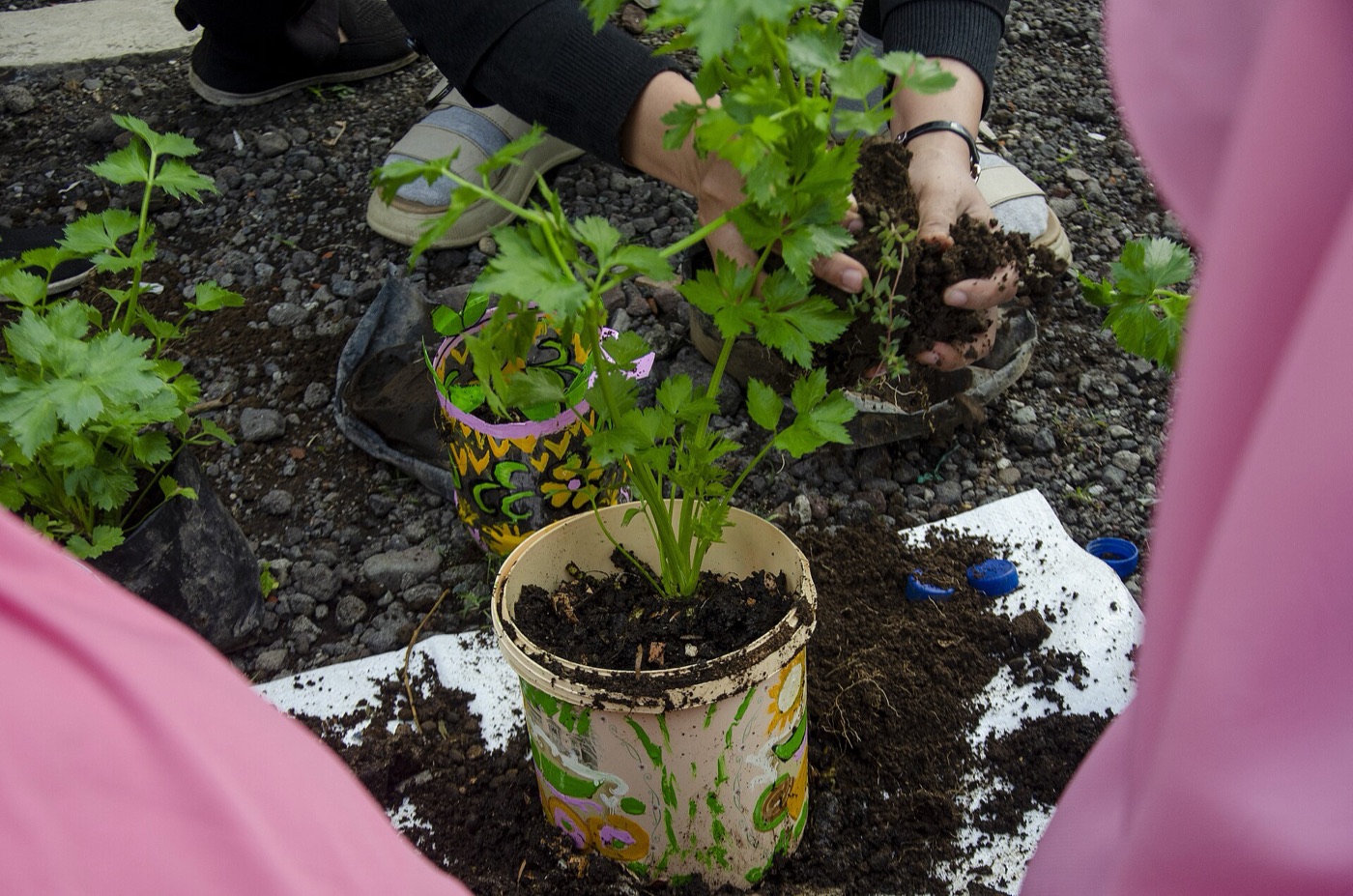
Once rooted, pot each cutting into its own small pot and grow it on in a bright, cool spot. The key to surviving winter is to keep them cool, bright and on the dry side — pelargoniums rot easily if kept warm and wet in low light. A frost-free greenhouse, porch or cool windowsill is ideal. Water sparingly, and only when the compost has nearly dried out.
In spring, move them back into growth with more water and light, and plant out or repot once the risk of frost has passed. A batch of cuttings taken in late summer will give you flowering plants for next year's pots and borders.
Frequently asked questions
Can I root pelargonium cuttings in water?
You can, but the roots are brittle and often rot when potted. Free-draining compost gives sturdier plants and is the more reliable method.
Why did my cuttings go black and mushy?
Usually too wet, too cold, or inserted before the cut end dried. Let the stem callous first and keep the compost only just moist.
Do I need rooting hormone?
It can help, but pelargoniums root readily without it. A clean cut, firm stock and bright conditions matter more.
Tools for this guide
Related guides
Choosing the best plants to take from
Take cuttings from your healthiest, most vigorous plants — the ones that flowered well and stayed free of disease. Avoid any plant that has shown rot, mould or pest damage, as those problems can travel with the cutting. With named varieties, cuttings are also the only way to keep them exactly as they are, since seed-grown pelargoniums vary.
Zonal and ivy-leaved pelargoniums both root readily by this method; regal (Martha Washington) types are slower and fussier but will still root from softwood tips in warmth. If a shoot is long, you can cut it into two cuttings, each with a couple of nodes.
Sources and research notes
Method follows UK horticultural guidance for softwood and semi-ripe cuttings. Timing and rooting speed depend on warmth and light.
Written and edited by the Seedledge Editorial. Every guide answers one real growing question, is checked against the sources listed above, and is updated when guidance changes. We are an independent editorial desk, not horticultural professionals — read how we research and update our guides.