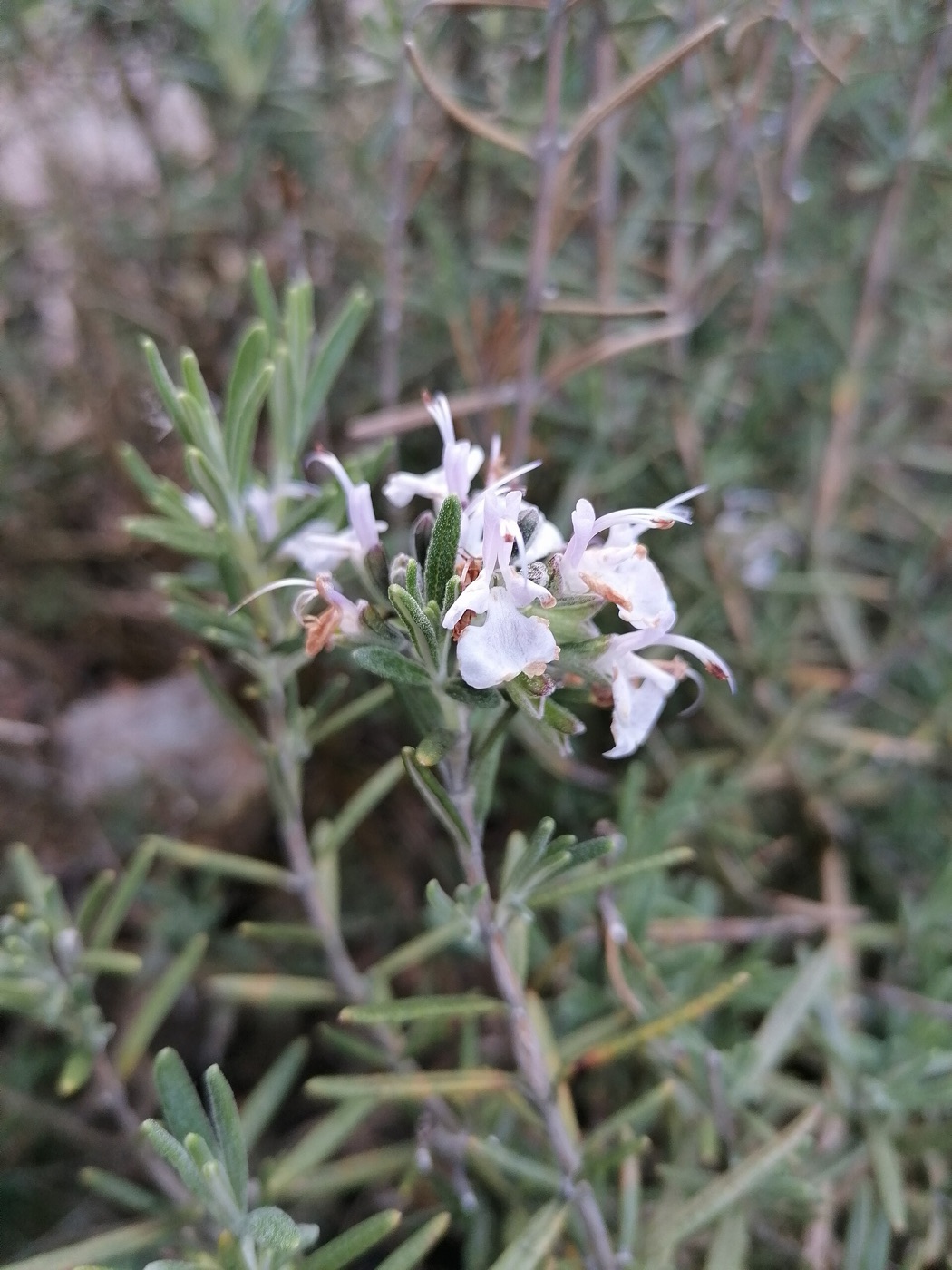
How to Take Semi-Ripe Cuttings
Late summer is the moment for semi-ripe cuttings. This is a plain, numbered method for rooting shrubs and woody herbs from this year's growth.
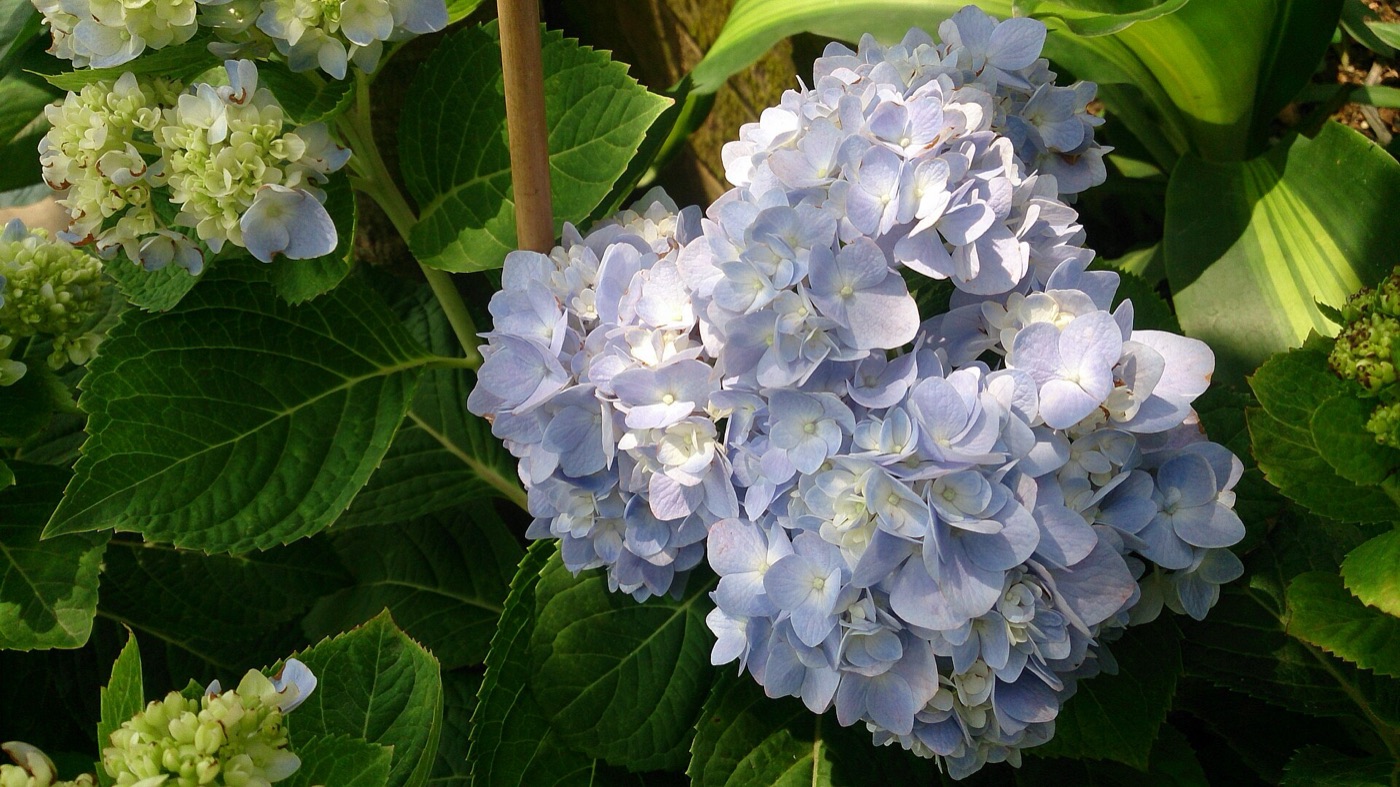
Semi-ripe cuttings are the standard way to increase shrubs and woody herbs — rosemary, lavender, hydrangea, box, hebe and many more. You take them in late summer, when the base of this year's shoot has begun to firm up but the tip is still soft. Done at the right moment and kept humid, most root without any special equipment.
What a semi-ripe cutting is
A cutting is "semi-ripe" when the shoot has stopped growing for the season. The bottom of the stem snaps cleanly and feels firm; the top is still flexible and green. That in-between state roots far more reliably than a soft spring tip or a hard dormant winter stem, which is why late summer is the window most gardeners use.
How to take one
- Pick healthy, non-flowering shoots from this year's growth, about 10–15 cm long. Shoots that have already flowered root less well.
- Cut just below a leaf joint with clean, sharp snips — the node is where roots form.
- Trim the base. Make a clean cut just below the node and strip the lower leaves so a bare length of stem remains.
- Remove the soft tip and any flower buds, leaving a short length of firm stem with a few leaves.
- Dip the base in rooting hormone if you have it; it helps but is not essential for easy subjects.
- Insert into a pot of free-draining cutting compost, or a 50:50 mix of compost and perlite, so the leaves sit above the surface.
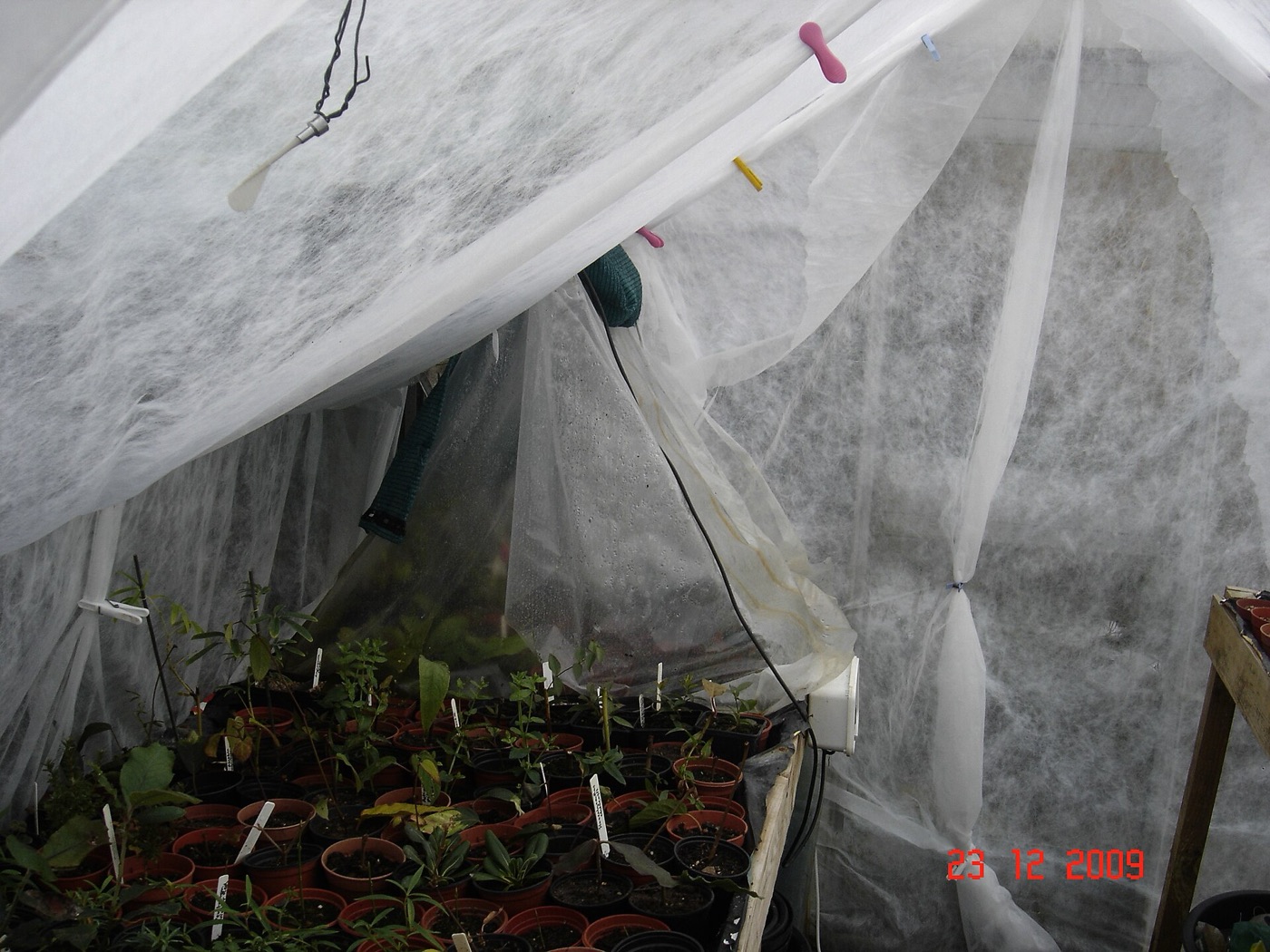
- Water and cover. A clear plastic bag or a propagator lid keeps humidity high, which is what stops cuttings wilting before they root.
- Place in bright, indirect light — not full sun — and keep the compost just moist.
Take more than you need
Not every cutting roots. Take two or three times the number of plants you want, so a few failures do not matter.
Aftercare
- Ventilate the cover for a few minutes a day to stop mould building up.
- Do not overwater. Damp, not wet, is the aim; soggy compost rots the base.
- Watch for roots in four to eight weeks — a gentle tug that resists means it has taken.
- Pot on once rooted, then grow the young plant on before planting out the following spring.
If it goes wrong
Two problems account for most failures. Rotting bases usually mean compost that is too wet or a cutting taken from soft, sappy growth; trim back to firm tissue and start again in fresh, free-draining compost. Wilted leaves usually mean humidity was too low before roots formed — improve the cover and move the pot out of direct sun. If a batch fails, the cause is far more often timing or moisture than the plant itself.
Which plants suit semi-ripe cuttings
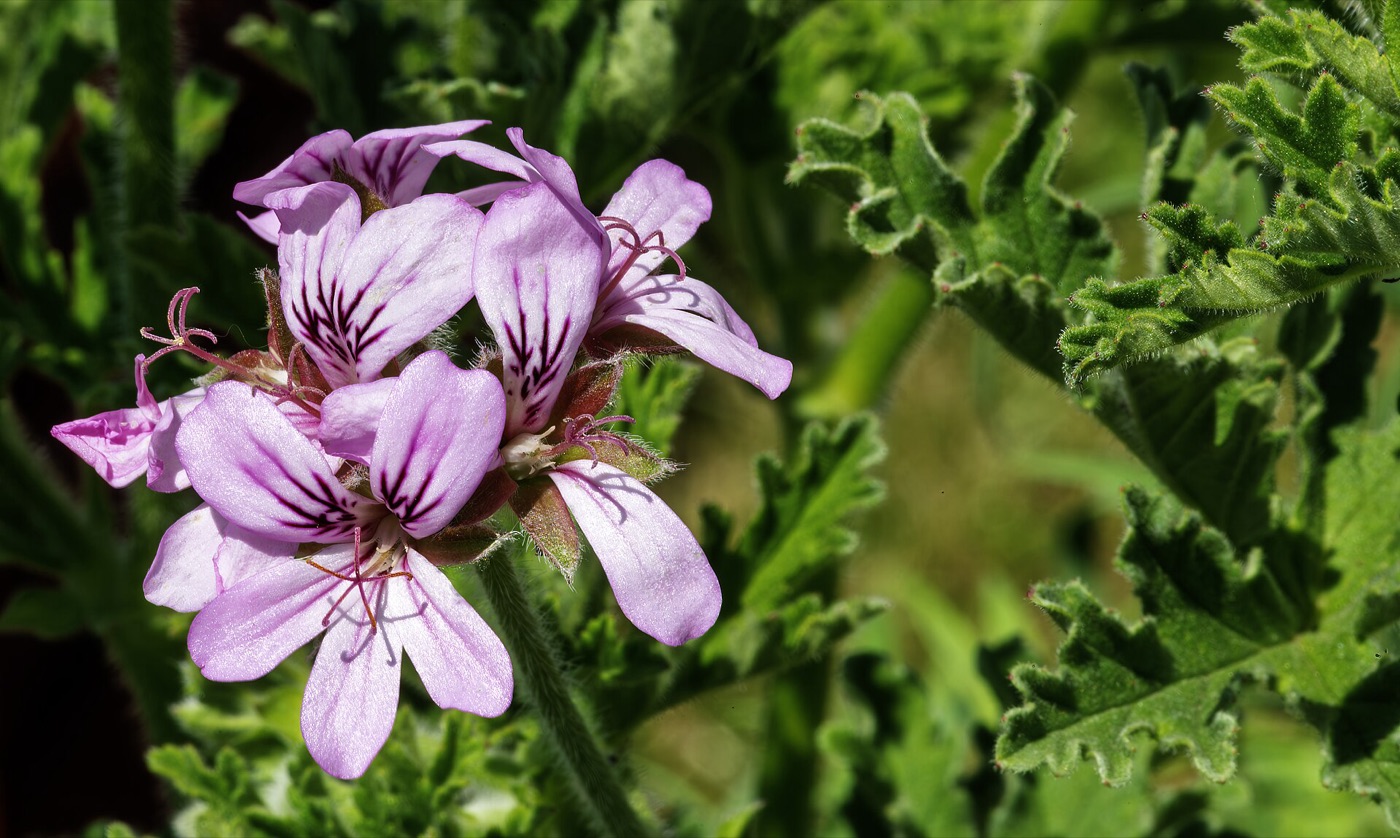
Late-summer semi-ripe cuttings are the standard method for a wide range of shrubs and woody herbs. Good subjects include rosemary, lavender, sage, hydrangea, box, hebe, choisya, camellia and many evergreens. Soft-stemmed plants such as basil and pelargoniums root more easily from soft tip cuttings earlier in the season, so save this method for material that has started to firm up.
Timing for hardy and tender plants
- Hardy shrubs: take cuttings from late summer to early autumn, then overwinter them somewhere sheltered but frost-free.
- Tender shrubs: root them with a little bottom heat and keep them protected through winter before planting out the following year.
- Avoid the very end of the season: a cutting taken too late may root but have no time to harden before cold weather.
After rooting: what next
When a gentle tug meets resistance, the cutting has rooted. Pot it on into a slightly larger pot of ordinary compost and grow it on somewhere bright and frost-free. Let it build a strong root system through the rest of the season rather than planting it straight into the garden, and keep it watered through its first summer. A plant that spends its first year in a pot and goes out the following spring establishes far more reliably than one rushed into open ground.
Rooting times by subject
How long a cutting takes depends on the plant. These are rough guides, not fixed numbers:
| Subject | Typical rooting |
|---|---|
| Rosemary & lavender | 4–8 weeks |
| Hydrangea | 3–6 weeks |
| Box & evergreen shrubs | 6–10 weeks |
| Camellia | 8–12 weeks or more |
Do not tug to test too early — a cutting that has not rooted will pull straight out. Wait for signs of new growth, or a gentle tug that resists, before potting on. Warmer conditions speed things up; a cool late-autumn batch may simply sit quietly until spring before rooting.
Tools for this guide
Related guides
- How to Take Softwood Cuttings
- How to Propagate Rosemary and Lavender
- Hardening Off: The Checklist Before Seedlings Go Outside
Sources and research notes
Method follows UK horticultural guidance on semi-ripe cuttings. Rooting times vary with species, warmth and light.
Written and edited by the Seedledge Editorial. Every guide answers one real growing question, is checked against the sources listed above, and is updated when guidance changes. We are an independent editorial desk, not horticultural professionals — read how we research and update our guides.