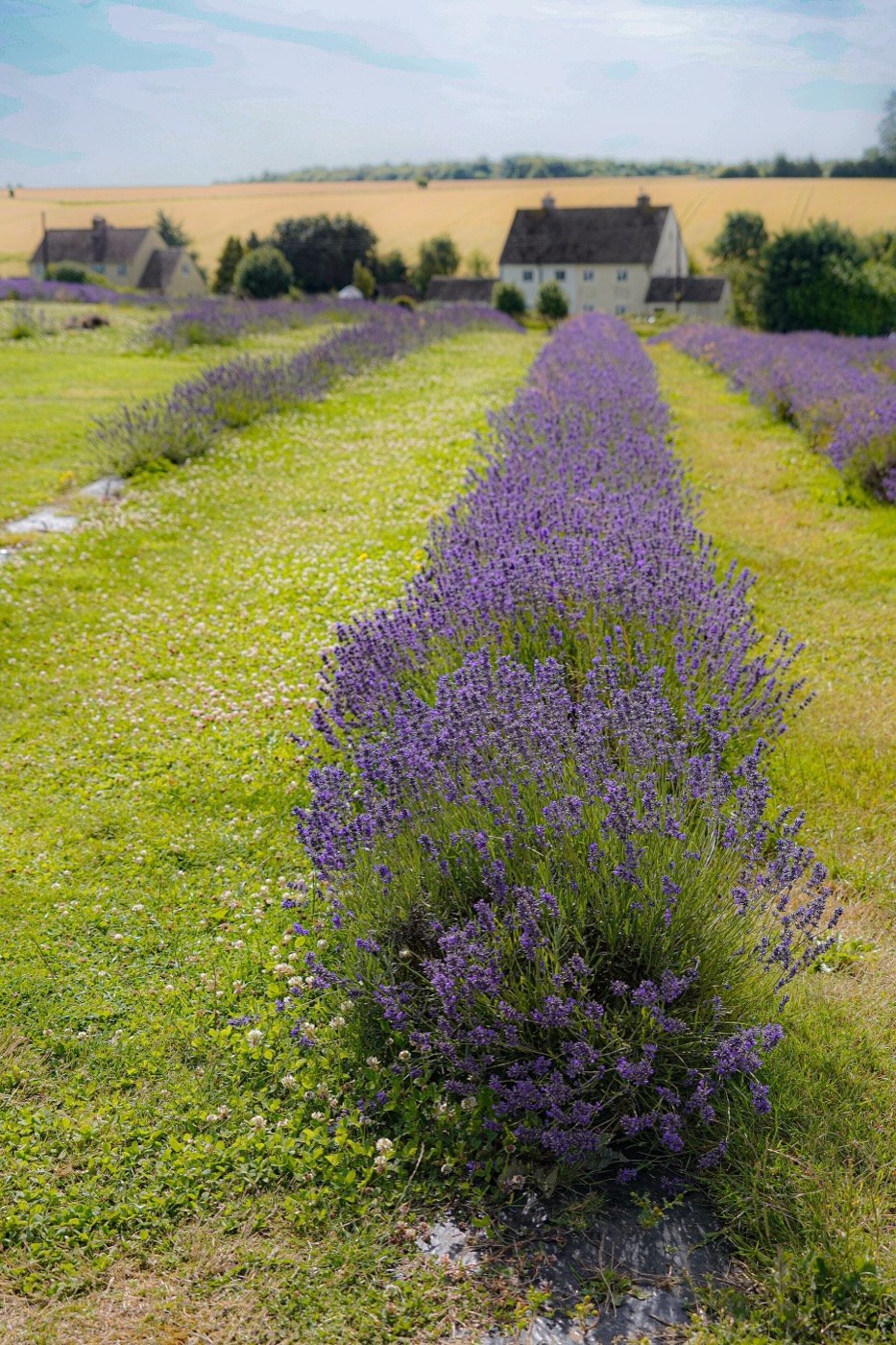
How to Propagate Rosemary and Lavender
Both are easy to root once you drop the myths. This is what actually works for these woody herbs, and the common advice that quietly wastes your cuttings.
Rosemary and lavender have a reputation for being fiddly from cuttings, and a lot of the advice online makes them harder than they are. Nearly every failure comes down to one of four misunderstandings. Here is each myth, and what to do instead.
Myth: rosemary and lavender are hard to root
Reality: they are among the more reliable woody herbs, provided you take the cutting at the right stage. They root well from semi-ripe cuttings in late summer. The problem is not the plant; it is taking soft, sappy spring growth, which wilts before it can root. Wait until this year's shoots have firmed at the base, then take 10–15 cm cuttings just below a leaf joint.
Myth: you should root them in a glass of water
Reality: water rooting works for soft plants such as pothos, but woody herbs usually rot in water before they root. The stem sits in stagnant moisture with no air, and the base turns to mush. Use a free-draining compost mix instead, keep it barely moist, and let the cutting make roots in soil from the start.
Myth: rooting hormone is essential
Reality: it helps, but it is not a magic switch. Hormone can improve the odds on slower or woodier subjects, yet a well-timed semi-ripe cutting of rosemary or lavender will often root without it. If you use it, dip only the base, and do not let it coat the stem above the node.
Myth: you can take cuttings any time
Reality: timing is the single biggest factor. Late summer, when growth has firmed but the season is not over, gives cuttings the warmth to root and enough time to establish before winter. A soft spring tip wilts; a hard winter stem roots slowly. Choose the in-between window deliberately.
Myth: cuttings need full sun
Reality: cuttings need light, not blazing sun. Until roots form, a cutting cannot replace the water it loses through its leaves, so full sun simply dries it out. Bright, indirect light under a humidity cover is what keeps it alive long enough to root.
What actually works
Healthy non-flowering shoot · cut below a node · strip the lower leaves · free-draining compost · high humidity · bright indirect light · take more than you need.
The short version, in steps
- In late summer, cut 10–15 cm of firm, non-flowering growth just below a node.
- Strip the lower leaves and trim the soft tip.
- Insert into free-draining compost so the leaves sit above the surface.
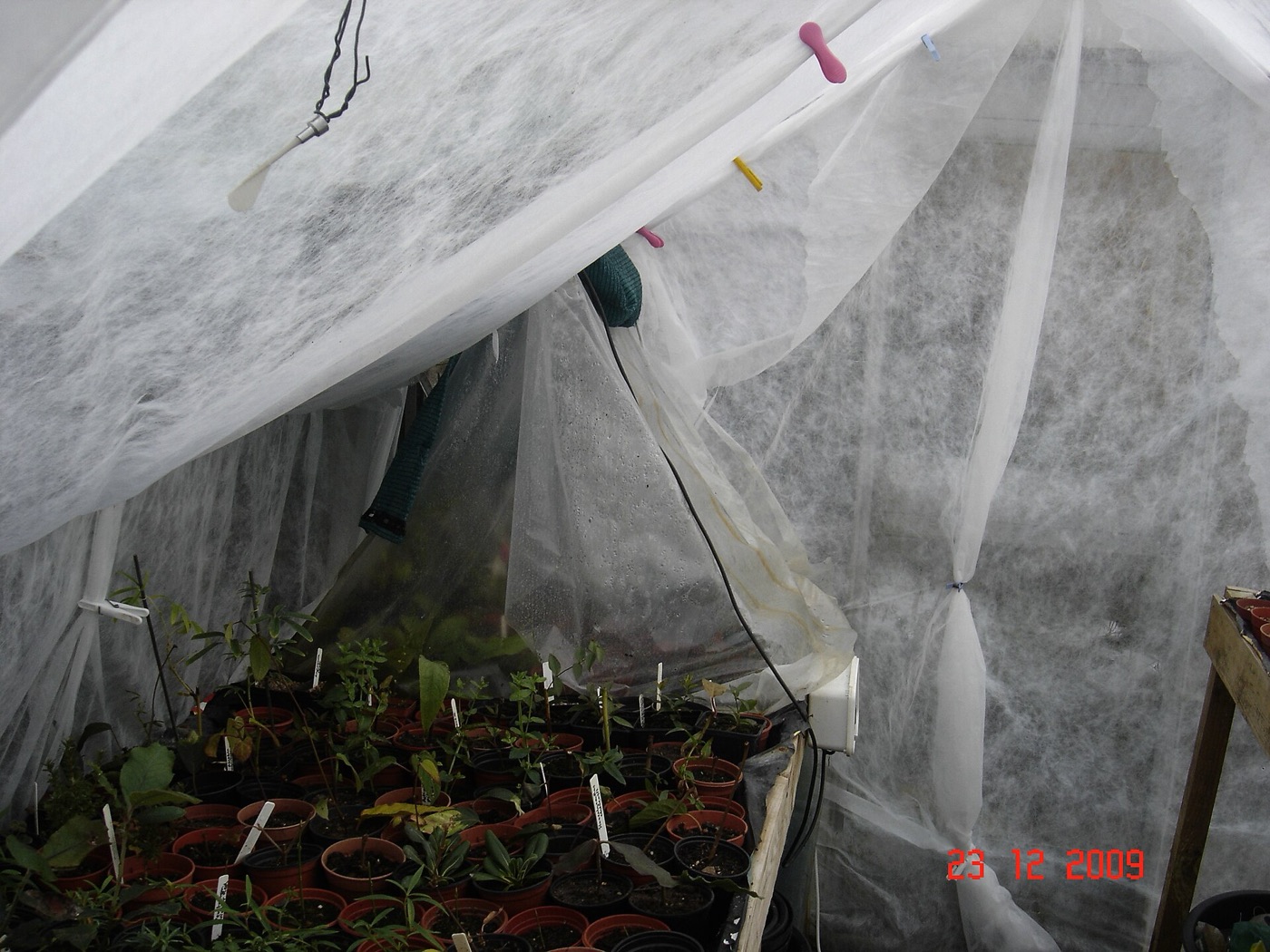
- Cover to keep humidity high and keep out of direct sun.
- Ventilate daily, water sparingly, and pot on once roots appear — often in four to eight weeks.
Rosemary and lavender are not identical
They share the same method, but a few differences are worth knowing. Rosemary is a little more forgiving of dry conditions once rooted and can be taken from slightly firmer wood. Lavender roots best from young, non-flowering shoots and dislikes sitting wet, so free-draining compost matters even more for it. Both are best rooted in late summer, and both resent being fussed over — a light touch with water is the point.
Caring for the new plants
- Pot on once rooted into gritty, free-draining compost, not rich, heavy soil.
- Water sparingly. Both plants prefer dry feet; overwatering is the commonest way to lose a young plant.
- Keep them frost-protected for the first winter, especially tender lavender varieties.
- Plant out in spring into a sunny, well-drained spot, and avoid cutting into old, leafless wood when you prune.
Rosemary and lavender strike readily once the timing and drainage are right, which is why a single healthy shrub can supply a whole hedge of new plants for the price of a few minutes in late summer.
A note on lavender types
English lavenders (Lavandula angustifolia) are hardier and cope with colder winters; French and Spanish lavenders are tender and need more protection. This affects propagation mainly through timing and winter care: tender types do best rooted with a little warmth and overwintered under cover. Whichever you grow, take cuttings from non-flowering shoots of the current season, and keep the young plants on the dry side through winter rather than mollycoddling them with water.
Planting them out
Once rooted and grown on, plant rosemary and lavender in a sunny spot with sharply drained soil — a raised bed or a gravel margin suits them better than heavy clay. Space them so air moves freely between plants, and avoid pruning into old wood with no leaves, as it seldom regrows. Given those conditions, a few late-summer cuttings will turn into long-lived shrubs that need very little from you afterwards.
Tools for this guide
Related guides
Sources and research notes
Guidance follows UK horticultural advice on semi-ripe cuttings for woody herbs. Results vary with species, warmth and humidity.
Written and edited by the Seedledge Editorial. Every guide answers one real growing question, is checked against the sources listed above, and is updated when guidance changes. We are an independent editorial desk, not horticultural professionals — read how we research and update our guides.