How to Grow Plants from Leaf Cuttings
Some plants will make a whole new plant from a single leaf — no stem needed. It is the quietest trick in propagation, and perfect for African violets, begonias and succulents.
Most cuttings need a piece of stem with a growing point. Leaf cuttings skip that: a single leaf, or even part of one, can be coaxed into producing roots and then a whole new plant. It is slow and a little magical, and it suits some of the most popular houseplants, including African violets, begonias, streptocarpus and many succulents.
Three kinds of leaf cutting
| Method | How | Good for |
|---|---|---|
| Whole leaf with its stalk | Detach a healthy leaf with a short piece of stalk and insert the stalk in compost. | African violet, streptocarpus, peperomia. |
| Leaf sections | Cut a large leaf into pieces, each with a vein, and lay or stand them on compost. | Begonias and other thick-leaved plants. |
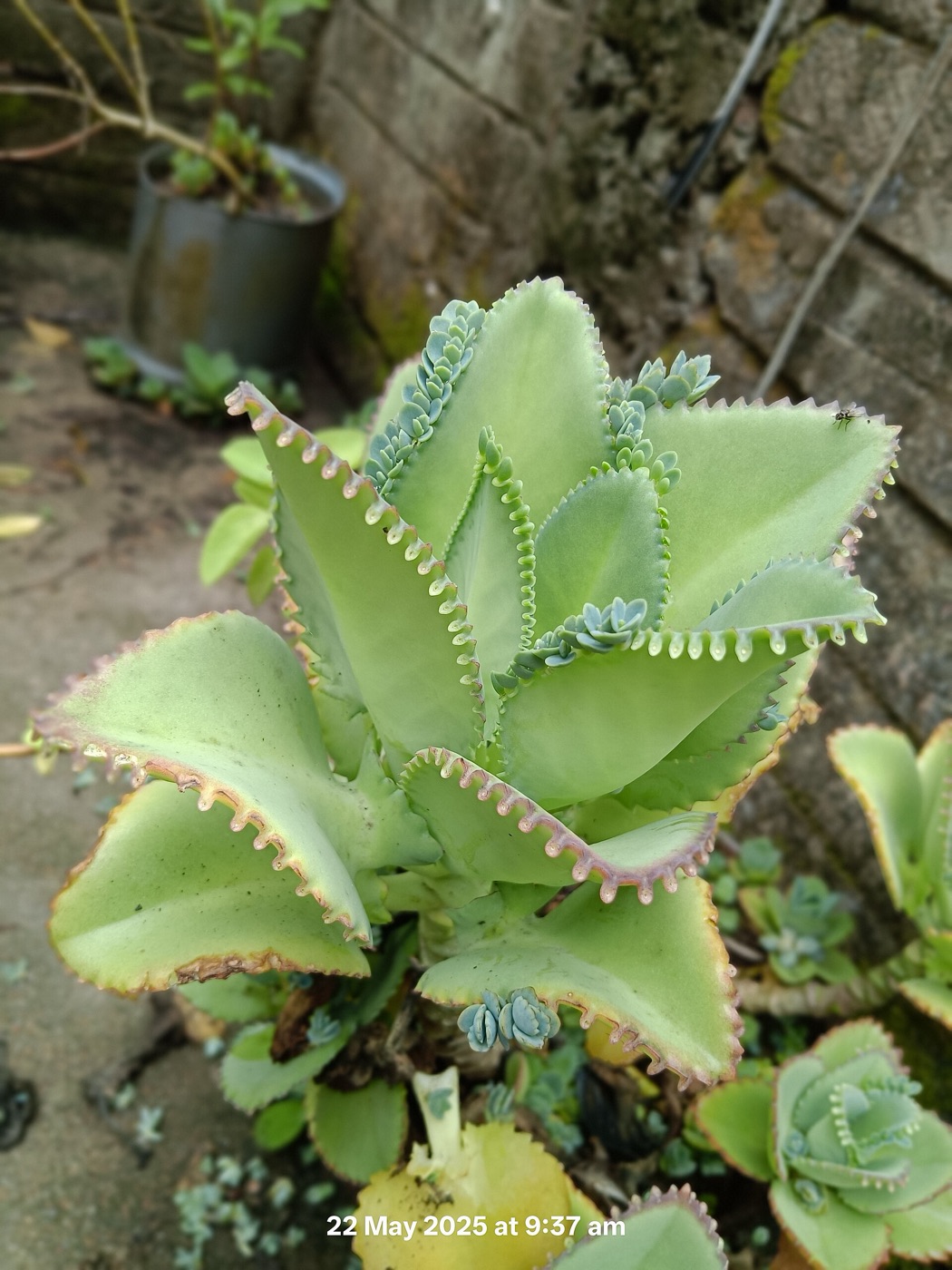
| Leaves that make plantlets | Detach a leaf that already carries tiny plantlets and pot them up. | Kalanchoe, Bryophyllum, some succulents. |
Step by step: a whole-leaf cutting
- Choose a healthy leaf. Pick a firm, mature leaf from a well-grown plant. Avoid old, damaged or yellowing leaves.
- Detach it cleanly. Snap or cut the leaf with a short piece of its stalk (petiole). For African violets, snap it off near the base rather than cutting through the leaf blade.
- Trim the stalk. Shorten the stalk to about 2–3 cm so the cutting sits upright when inserted.
- Insert into compost. Use a light, free-draining mix. Make a hole with a dibber and slide the stalk in so the leaf blade sits just above the surface, upright.
- Cover and keep humid. A plastic bag or propagator lid keeps the air moist. Keep the pot warm and bright but out of direct sun.
- Wait for plantlets. This takes patience — often several weeks. Small leaves appear at the base of the cutting before you see much above the surface.
- Separate and pot on. When the plantlets are large enough to handle, ease them apart and pot them individually.
For succulents
Succulent leaves are a case of their own. Detach a whole leaf with a clean sideways pull so it comes away complete, then leave it somewhere warm and dry for a few days until the broken end callouses over. Lay it on the surface of gritty compost — do not bury it — and roots and a tiny new rosette will form at the base. Water very sparingly; too much and the leaf simply rots.
Why leaf cuttings work
Leaves of these plants contain cells that can still divide and change into other types of tissue, so a wound can trigger a whole new plant. The parent's energy stored in the leaf keeps the cutting going until it makes its own roots. Once the new plantlets develop leaves, they take over and the old leaf shrivels away.
Which plants to try
The list of plants that grow from leaf cuttings is short but well worth knowing. African violets and streptocarpus are the classic subjects, both rooting reliably from a single leaf with its stalk. Begonias can be multiplied from leaf sections, and some succulents — echeveria, sedum, kalanchoe — will grow a whole new plant from one detached leaf laid on the surface. Streptocarpus and some peperomias also respond well.
By contrast, most shrubs, trees, vegetables and herbs will not grow from a leaf alone, however good the leaf looks. For those you need stem or semi-ripe cuttings. If you are unsure, look up the specific plant rather than experimenting with something precious.
Do all plants grow from leaf cuttings?
No. It works with a limited group — mainly certain houseplants and succulents. Most shrubs and vegetables need a stem cutting.
Why did my leaf cutting rot?
Usually too wet. Leaf cuttings have no roots to use up water, so the compost should be barely moist, especially for succulents.
Tools for this guide
Related guides
- How to Propagate Pothos in Water
- How to Propagate Hydrangeas Three Ways
- How to Take Semi-Ripe Cuttings
Sources and research notes
Method follows UK horticultural guidance on leaf cuttings. Which plants succeed varies, and timings depend on warmth and light.
Written and edited by the Seedledge Editorial. Every guide answers one real growing question, is checked against the sources listed above, and is updated when guidance changes. We are an independent editorial desk, not horticultural professionals — read how we research and update our guides.