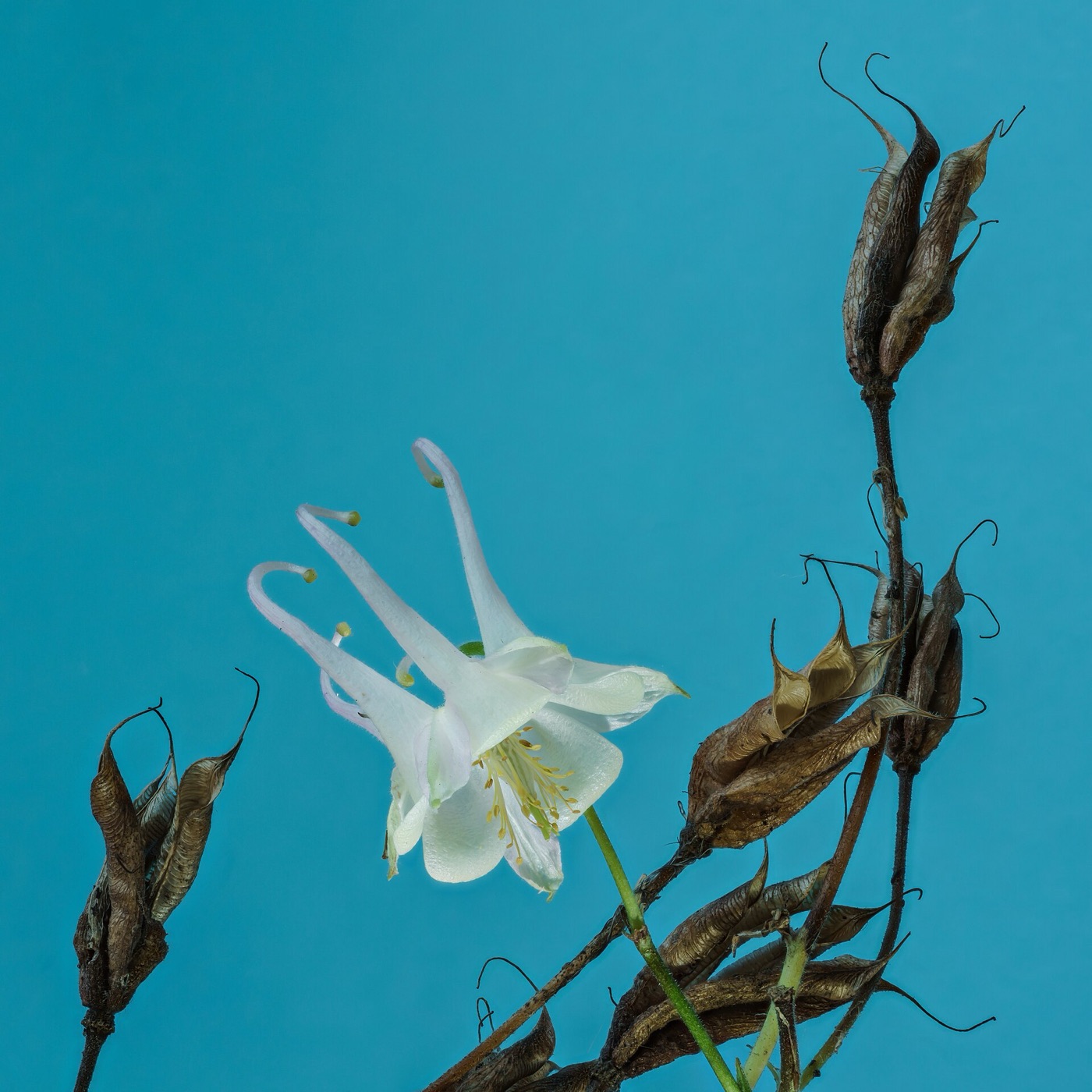
When to Harvest Seeds (and How to Tell They're Ready)
Pick seed too early and it will not ripen off the plant. Here is how to read the signs for pods, dry seed heads, fleshy fruit and berries.
Quick answer
Leave seed on the plant until it is fully ripe — then dry it
- Pods & seed heads
- Wait until they turn brown and rattle.
- Fleshy fruit
- Use the ripest fruit, past eating stage.
- The rule
- Seed does not ripen once picked; it just dries.
- Weather risk
- In wet weather, cut stems and finish drying indoors.
The one rule that decides everything
Seed must finish ripening on the plant. Once you pick it, it can dry, but it cannot mature any further — so seed taken from a green pod or an unripe fruit usually stays small, pale and unlikely to germinate. The whole skill of harvesting is learning to recognise the point where the plant has finished its job.
Pods and dry seed heads
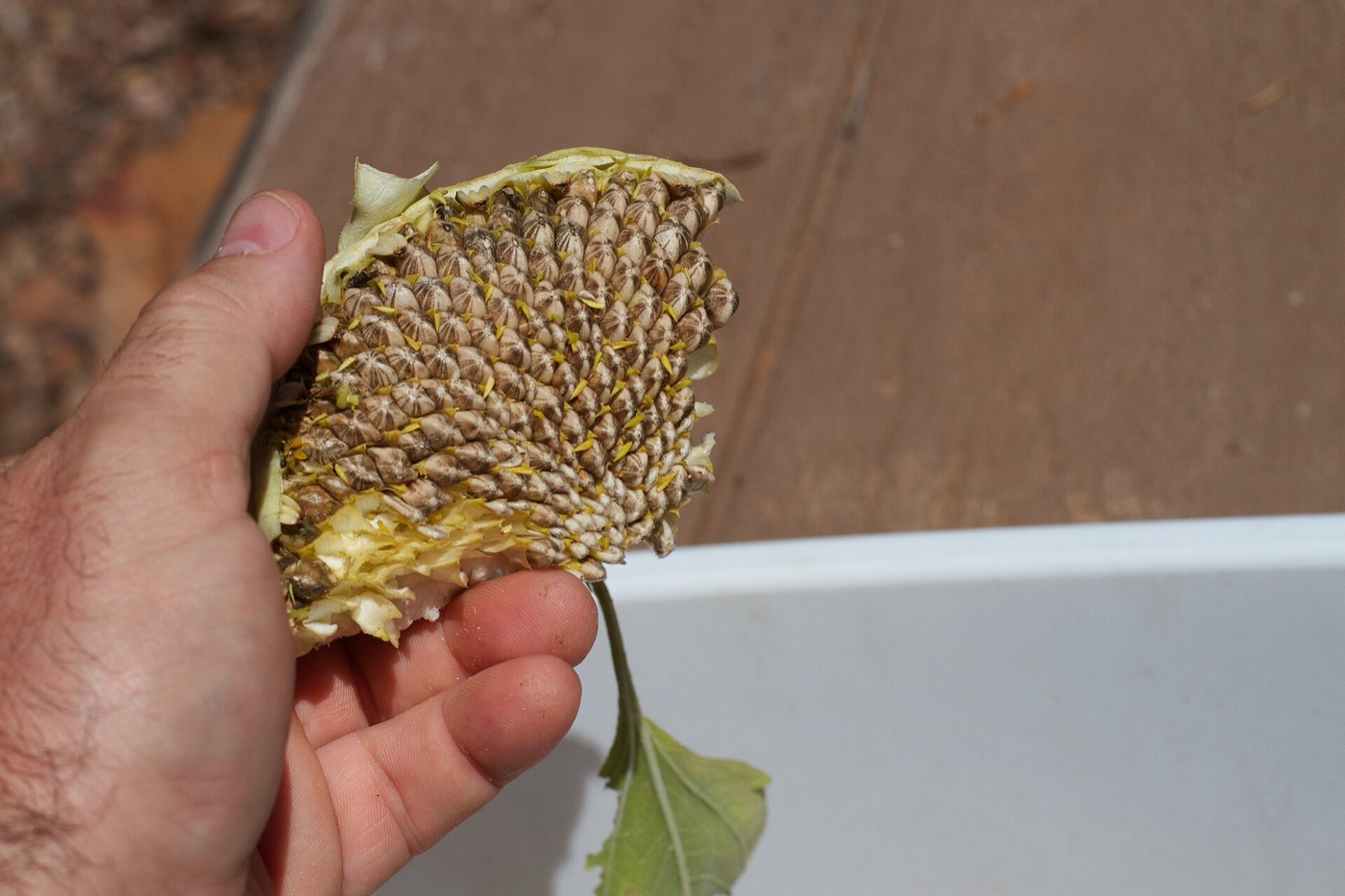
Beans, peas, brassicas, poppies and many flowers hold their seed in pods or dry heads. The signs are consistent:
- Colour: the pod or head turns from green to brown, tan or grey.
- Sound: shake it gently — ripe seed rattles inside.
- Texture: the pod feels papery and begins to split at the seams.
Harvest just before the pod splits and flings its seed away. For beans and peas, many gardeners pull the whole plant and hang it upside-down over a paper bag so any seed that drops is caught as it dries.
Fleshy fruit and berries
Tomatoes, peppers, cucumbers, squash, chillies and soft fruit are different: the seed is wet and embedded in the fruit. Here the signal is simply full ripeness — and often a little past the stage you would eat it.
| Crop | When to take the seed |
|---|---|
| Peppers & chillies | Fully coloured, past eating ripe |
| Tomatoes | Dead ripe; ferment to clean (see below) |
| Cucumbers | Fruit large, yellow and softening |
| Squash & courgette | Fully mature, hard-skinned |
| Berries | Soft and fully coloured |
For tomatoes specifically, the seed is cleaned by fermenting — a separate step covered in how to save tomato seeds. For the others, scooping, rinsing and drying is enough, as described in saving cucumber, pepper and squash seed.
If the weather turns wet
Seed can rot on the plant in a wet spell, so do not wait for perfect weather. If pods are brown but rain is forecast, cut the stems, tie them in small bunches and hang them somewhere dry and airy — a shed or garage works well — with a paper bag over the seed heads to catch the seed as they open.
A harvest calendar by crop type
The signal to look for depends on how the plant holds its seed. Use this as a starting point, then trust the plant in front of you.
| Type | Examples | Ready when… |
|---|---|---|
| Dry pods | Beans, peas, brassicas | Pods brown and rattle |
| Dry seed heads | Poppies, calendula, nigella | Heads brown and seed loosens |
| Fleshy fruit | Tomato, pepper, cucumber, squash | Fruit fully ripe (often over-ripe) |
| Berries | Strawberry, raspberry | Soft and fully coloured |
Storing the harvest until sowing
Once collected, seed must be dried to the point where it snaps, then kept cool, dark and dry. Humidity is the enemy: a sealed jar with a sachet of silica gel keeps seed far better than an open envelope in a warm kitchen. Label everything with the year, and for anything older than a couple of seasons, run a germination test before you sow. For how long each crop keeps, see how long seeds last.
Seed that is not worth saving
Not every plant is a good candidate. Skip these:
- F1 hybrids — the seed grows, but the plants will not match the parent.
- Diseased plants — seed from a plant riddled with virus or rot can carry problems into next season.
- Under-ripe seed — green or soft seed picked early rarely germinates well.
Saving from your strongest, healthiest plants each year is how a home strain gradually improves. The same logic applies to the viability of any seed you keep: better ripening and drying at harvest means longer, stronger storage.
Frequently asked questions
Can I ripen green seed off the plant?
No. Seed that is not mature when picked will not improve. For a few crops, whole fruits can be ripened further indoors, but the seed inside still needs the fruit to be ripe first.
How do I know dry seed is ready to store?
It should snap or shatter when bent, not bend. If it bends, keep drying.
What if some pods are ready and others are not?
Harvest in stages. Check the plants every few days and take each pod as it ripens rather than cutting everything at once.
Tools for this guide
Related guides
- How to Save Sunflower Seeds
- Can You Save Seeds from a Supermarket Tomato or Pepper?
- How to Save Bean and Pea Seeds
Sources and research notes
Ripeness signals follow UK horticultural and seed-saving guidance; timing varies with crop and climate.
Written and edited by the Seedledge Editorial. Every guide answers one real growing question, is checked against the sources listed above, and is updated when guidance changes. We are an independent editorial desk, not horticultural professionals — read how we research and update our guides.