How Long Do Seeds Last? (Viability by Vegetable)
Seed packets rarely carry an expiry date, but different crops keep for wildly different times. This table shows typical storage life, and what changes it.
There is no single "seed lifespan". Parsnip and onion lose vigour within about a year, while tomato and cucumber stay usable for several. The figures below are the ranges most often cited by horticultural and seed-saving guidance — but treat them as a starting point, because how you store seed matters more than the crop.
| Crop | Typical storage life |
|---|---|
| Parsnip | About 1 year |
| Onion & leek | About 1–2 years |
| Sweetcorn | About 2 years |
| Bean & pea | About 3 years |
| Carrot | About 3 years |
| Spinach & lettuce | About 3 years |
| Beetroot | About 4 years |
| Tomato | About 4–6 years |
| Cucumber | About 5 years |
| Radish | About 5 years |
Figures are typical ranges from UK horticultural and seed-saving guidance. They assume cool, dry storage; expect shorter life in a warm, damp cupboard.
What actually shortens a seed's life
- Heat. Warm rooms speed up the decline; a cool cupboard beats a sunny shelf.
- Moisture. Damp is what lets seed go mouldy and lose viability — the single biggest factor.
- Temperature swings. A shed that freezes and thaws is worse than a steady cool spot.
- Air. Sealed containers keep moisture and pests out better than open paper over the long term.
The classic rule of thumb — that seed life roughly halves for every 5 °C of extra warmth and every 1% of extra moisture — explains why the same packet lasts different lengths in different homes.
Do not throw seed out on a date alone
A crop past its "typical" life is not automatically dead. Before buying replacements, run a quick germination test — it takes a week and tells you what is still worth sowing. Older seed usually just needs to be sown a little thicker.
For a quick reference while you sort a seed box, see the tools page.
How to make seed last longer
Once seed is properly dry, three habits stretch its useful life:
- Dry it first. Leave seed in a warm, dry spot for a few days before sealing, ideally with a sachet of silica gel.
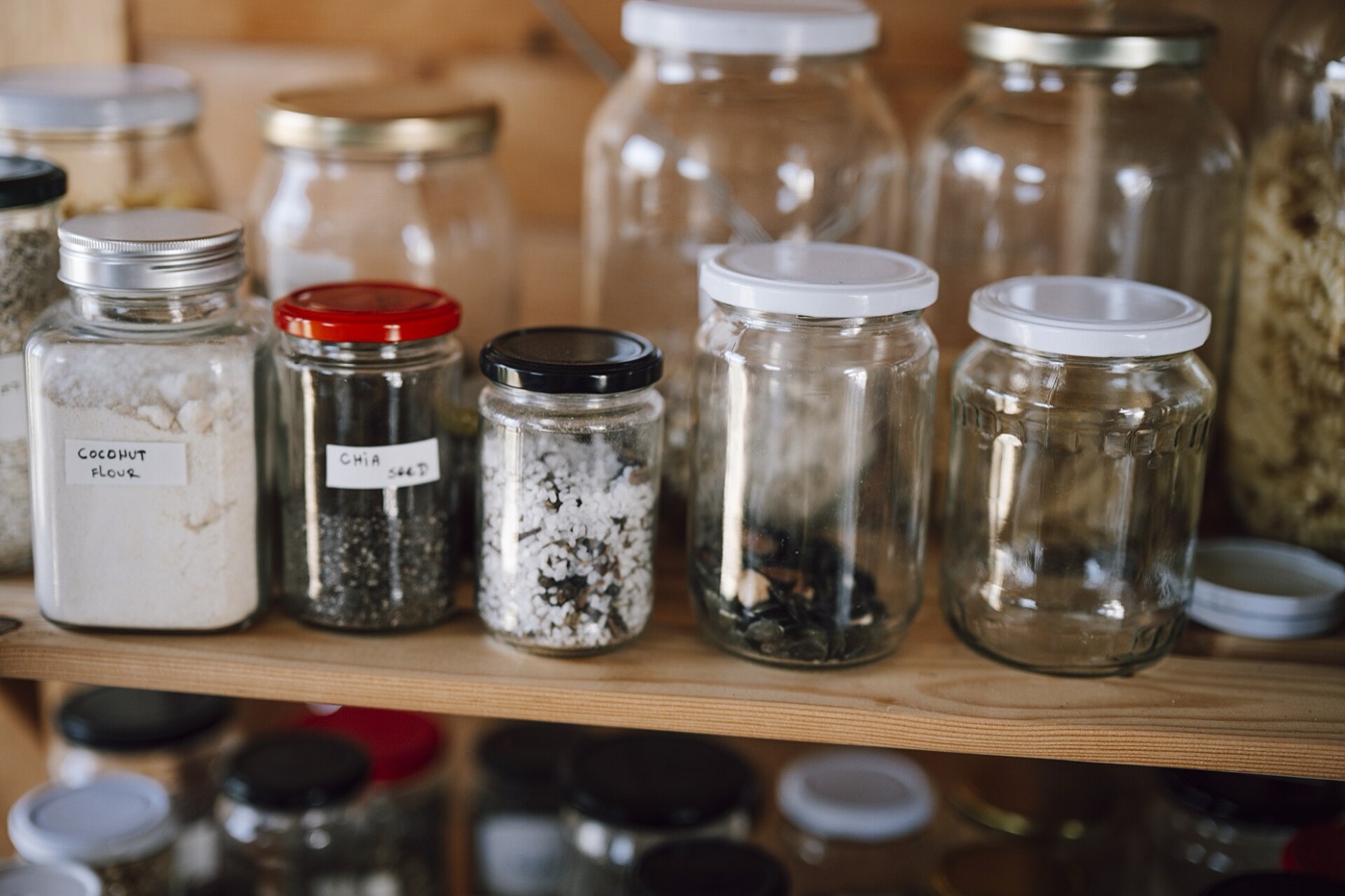
- Seal it. An airtight jar keeps moisture out far better than an open paper packet.
- Keep it cool and steady. A dark cupboard at a steady temperature beats a shed that swings hot and cold.
For long-term keeping, a sealed jar in the fridge works — but only if the seed went in bone dry. If it did not, condensation will ruin it, and you are better off cool and dry.
A simple way to organise a seed box
- Group by sowing season, not alphabetically — that is how you will actually use them.
- Write the year on every packet. Age is the thing you forget.
- Keep a "test first" pile for anything older than its typical life.
- Prune once a year. Test the old packets and bin the dead ones in one sitting.
What "sow by" dates really mean
Packet dates are usually a "sow by" guide based on when the seed was packed, not the day it dies. A packet packed years ago can still germinate well if it has been kept cool and dry — and a brand-new packet left in a hot greenhouse can fail early. Treat the date as a nudge to test, not a deadline.
Which seed is worth refreshing every year
Rather than keeping everything for as long as possible, it pays to accept that a few crops are simply not worth storing. Parsnip and onion are the clearest cases: their seed loses vigour fast, so many growers buy fresh each year and do not bother saving it. The same goes for any seed you only sow a few of — the space in the seed box is better spent on crops that keep.
A good rule: store what keeps well (beans, peas, tomato, cucumber, beetroot) and buy fresh what does not (parsnip, onion, sweetcorn) — see the table above.
Why the numbers differ between sources
You will see different figures for the same crop depending on the source — a packet may say "sow by next year" while a seed-saving guide gives several years. There are three reasons. First, "storage life" means different things: some sources mean the point where germination starts to fall, others where it collapses. Second, the figures assume a cool, dry cupboard, and most homes are warmer or damper. Third, varieties and seed lots differ: freshly harvested, well-dried seed of the same crop will outlast a cheap packet that sat in a warm shop.
Treat any single number as a rough guide and let a quick test settle it for your own seed.
A three-step way to use this table
- Sort your seed into "use soon" (parsnip, onion) and "keeps well" (beans, tomato, cucumber).
- Sow the short-lived crops first each season, and buy those fresh rather than hoarding them.
- Test anything older than the typical life before you rely on it — the paper test takes a week. Keep a "test first" pile so nothing gets binned, or sown, on a guess.
Frequently asked questions
Does seed packet date mean it is dead after that?
No. It is a "sow by" guide, not a death date. Test a few seeds if you are unsure.
Why does parsnip seed die so fast?
Parsnip seed has naturally short viability and also loses it quickly in warm, dry air. Sow fresh parsnip seed each year where you can.
Can I freeze seeds to make them last longer?
Cold, dry storage helps, but only if the seed is properly dried first and kept sealed — otherwise condensation ruins it. If in doubt, store cool and dry rather than frozen.
Tools for this guide
Related guides
Sources and research notes
Viability figures are commonly cited ranges from UK horticultural and seed-saving guidance and vary with storage conditions and variety.
Written and edited by the Seedledge Editorial. Every guide answers one real growing question, is checked against the sources listed above, and is updated when guidance changes. We are an independent editorial desk, not horticultural professionals — read how we research and update our guides.