How to Label and Organise Your Saved Seed
Unlabelled seed is useless seed. A simple labelling and filing system turns a drawer of mystery envelopes into a working seed library you can actually use.
You can dry and store seed perfectly and still waste it — if you cannot tell what it is or how old it is. A seed collection is only as useful as its labels. The good news is that a workable system takes minutes to set up and saves confusion every sowing season.
What every label needs
| On the label | Why it matters |
|---|---|
| Crop and variety | So you know what you are sowing — "Tomato, Gardener's Delight", not just "Tomato". |
| Year saved | Lets you sow the oldest seed first and replace what has aged out. |
| Where it came from (optional) | Useful if you swap seed with others or track which plant performed well. |
| Any notes | "Best flavour", "early", "from the left bed" — small details you will otherwise forget. |
How to label
Write directly on the packet with a permanent pen, or use a slip of paper inside the envelope or jar. Pencil survives damp better than many inks, and is easy to correct. For jars, a strip of masking tape on the lid works well and peels off cleanly.
Label at the moment you store the seed, not later. A pile of unnamed envelopes is exactly how a collection becomes unusable.
Containers that keep seed organised
- Paper envelopes — cheap and breathable; ideal for smaller quantities kept in a larger box.
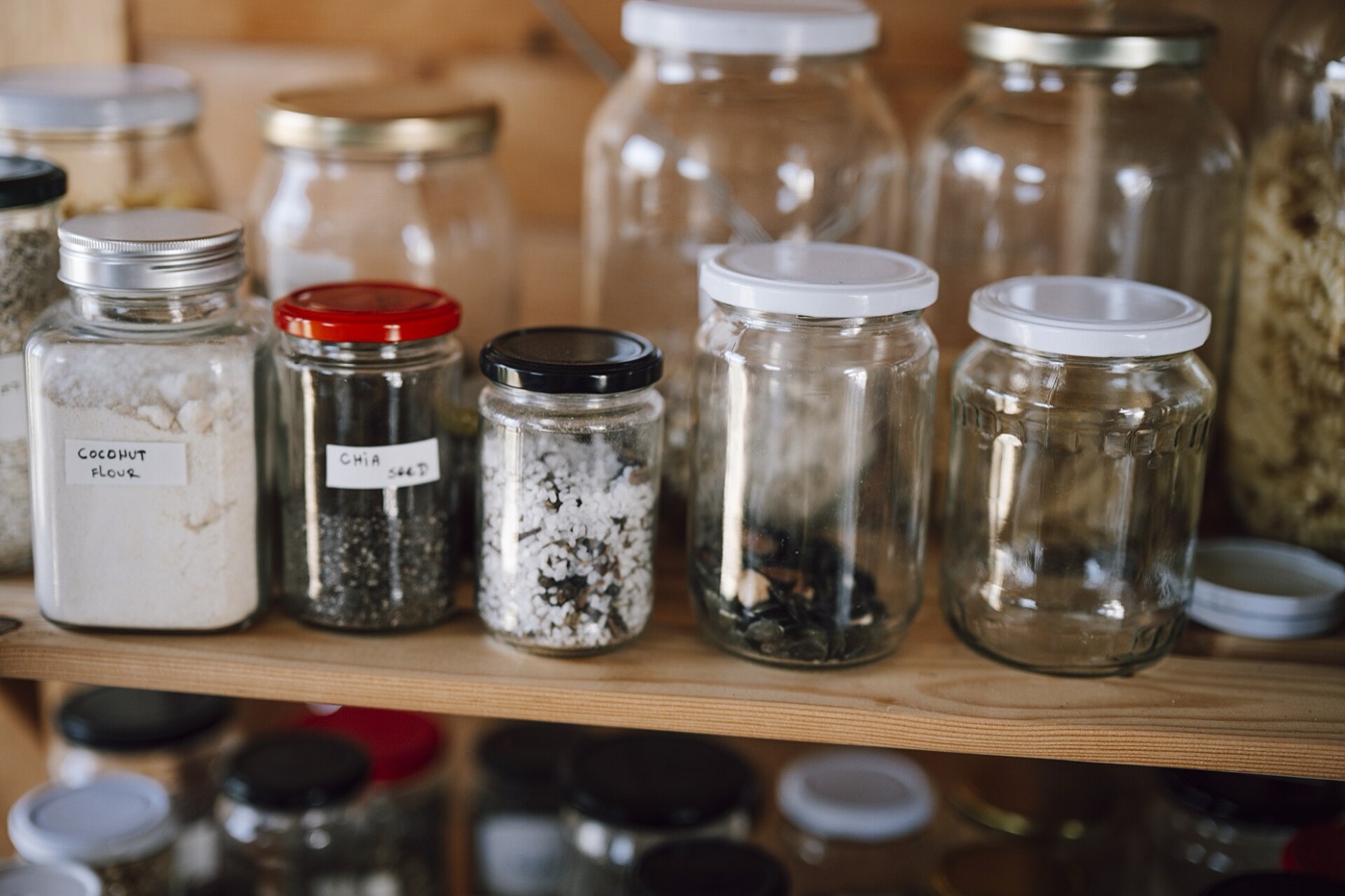
- Small glass jars — air-tight, best with a silica gel sachet; good for seed you want to keep for years.
- Zip bags — fine for short-term, but squeeze out the air and keep them in a sealed box.
- Label the outside of the container too, so you do not have to open everything to find one packet.
A simple filing system
Choose one method and stick to it:
- By crop type — all the beans together, all the tomatoes together. This is the most common and the easiest to browse.
- By sowing season — spring sowings in one box, autumn in another, so you grab the right set at the right time.
- By year — helpful if you save a lot and want to rotate old stock first.
Whichever you choose, keep a master list. A single sheet of paper — or a note on your phone — listing each variety and its year turns the whole collection into something you can plan from without emptying every box.
Rotate the old, sow the old first
Seed does not last forever, and different crops fade at different rates. Before each season, check your list, put the oldest packets at the front, and plan to sow them first. Anything long past its usual life is worth a quick germination test before you rely on it.
Where to keep the collection
Store the whole collection somewhere cool, dark and dry — a cupboard away from the kitchen's heat and steam, or a sealed box in a cool room. Add silica gel sachets to jars. Check once or twice a year, remove anything mouldy, and update your list. A tidy, labelled collection is far more likely to actually get used.
Tools for this guide
Related guides
- How to Keep Seeds Dry in Storage
- How Long Do Seeds Last? (Viability by Vegetable)
- How to Store Seeds at Home
Swapping and sharing
Saving seed makes it easy to swap with friends, allotment neighbours or a seed library — and a good label is what makes a swap useful. Write the variety and year on every packet you give away, and note anything the recipient should know, such as "saved near other squash, may have crossed".
Only share seed that is fully dry, clean and free of mould or pests, and be cautious about passing on seed from plants that showed disease. Keep a note of what you gave and received, so next season you know where your varieties came from.
Sources and research notes
Labelling and storage principles follow UK seed-saving guidance; seed longevity varies by crop and storage conditions.
Written and edited by the Seedledge Editorial. Every guide answers one real growing question, is checked against the sources listed above, and is updated when guidance changes. We are an independent editorial desk, not horticultural professionals — read how we research and update our guides.