How to Keep Seeds Dry in Storage
Most saved seed dies in the cupboard, not in the ground. Damp is the usual culprit — it starts the seed germinating or feeds mould long before spring. Here is how to keep it dry.
You can do everything right when saving seed — harvest at the right moment, clean it, label it — and still lose the lot in storage. The reason is almost always moisture. Seed is hygroscopic, meaning it pulls water from the air around it. Leave it in a damp cupboard or a warm kitchen and it slowly takes on water until it either starts to germinate in the packet or grows mould, and either way it is finished.
The goal is simple: keep stored seed cool and, above all, dry. That is a manageable problem with a few cheap habits.
Signs your seed has taken on damp
- Seed sticks together or clumps. Dry seed pours and separates freely; damp seed clumps.
- Fur or fuzz on the seed or the packet. Mould. Discard affected seed — it rarely recovers.
- A musty smell. A clear sign the container has been damp for a while.
- Seed that feels soft or swollen. It may already have begun to germinate and then died.
What works
| Method | Why it helps | Cautions |
|---|---|---|
| Dry the seed fully before storing | Removes the water already inside; the single most important step. | Do not bake seed in an oven or leave it in full sun. |
| Air-tight container | Stops the seed pulling moisture from humid air. | Only once the seed is properly dry, or it traps damp in. |
| Silica gel sachets | Absorbs moisture that is already in the container. | Recharge or replace them; they saturate over time. |
| Cool, dark place | Heat speeds up the chemical decline of seed. | Fridges work, but keep seed away from fruit. |
Drying seed properly
Before anything goes into a container, it must be genuinely dry. Spread cleaned seed in a single layer on paper in a warm, airy, shaded room for a week or two. It should feel hard and rattle when moved. Thick or fleshy seed, like beans and peas, needs longer than fine seed. Only when it is dry should it go into a sealed container — sealing damp seed is the fastest way to ruin it.
Using silica gel
Silica gel is a desiccant: it absorbs water from the air. Put a small sachet in with your seed inside the air-tight container and it will mop up stray moisture. Use food-grade sachets rather than the tiny ones that come with electronics, and check them periodically. Silica gel that has absorbed all it can will stop working; most types can be dried out and reused, but if in doubt, replace them.
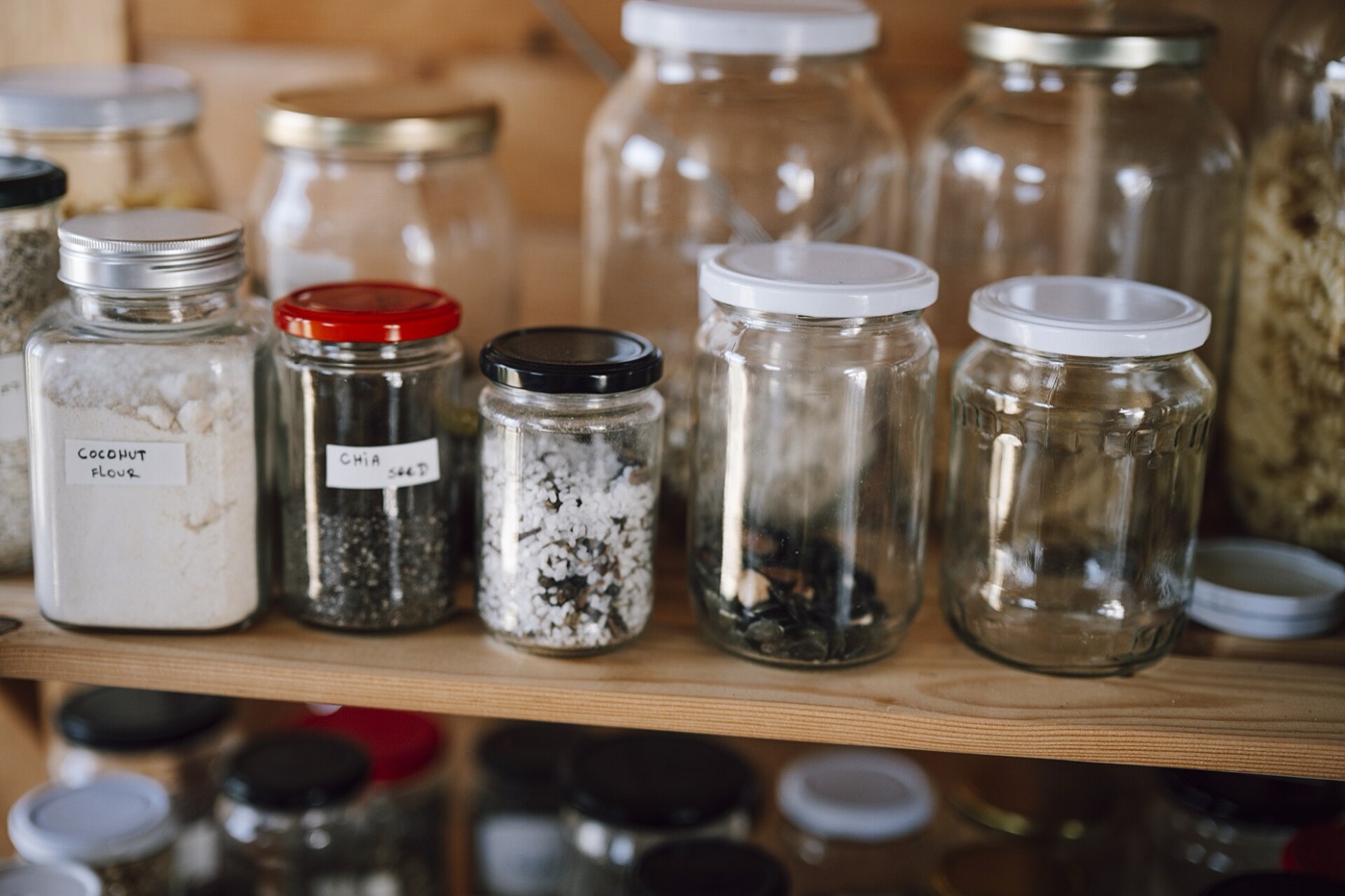
A simpler trick for small quantities: keep seed in a sealed jar with a sachet, and store the jar somewhere cool. That is all most home seed collections need.
Does the fridge help?
A fridge is a good place to store seed, provided the seed is already dry and sealed. The cold slows the chemical decline of the seed, and the low temperature also discourages insects. The catch is the damp: a fridge is a humid place, and an open packet will pull in moisture. Use an air-tight container with a silica gel sachet, and keep seed away from the salad drawer and from fruit, which gives off ethylene that can harm seed.
Let sealed jars come back to room temperature before you open them, so condensation does not form on the seed. That one habit prevents a surprising amount of avoidable damage.
A simple storage checklist
- Dry the seed thoroughly before it goes anywhere near a container.
- Label every packet with the plant and the year — unlabelled seed is useless.
- Use small air-tight containers or sealed bags, not open envelopes in a drawer.
- Add a silica gel sachet to each container.
- Store somewhere cool, dark and steady — a cupboard or fridge, away from fruit.
- Check stored seed once or twice a year and remove anything mouldy.
Do all of that and seed keeps far longer than most gardeners expect. Skip the drying or the sealing and even a few months in a warm kitchen can be enough to kill it.
Tools for this guide
Related guides
- How Long Do Seeds Last? (Viability by Vegetable)
- Should You Freeze Seeds?
- How to Store Seeds at Home
Sources and research notes
Storage principles follow UK seed-saving guidance: seed longevity depends mainly on moisture content and temperature, with dry and cool the two controlling factors.
Written and edited by the Seedledge Editorial. Every guide answers one real growing question, is checked against the sources listed above, and is updated when guidance changes. We are an independent editorial desk, not horticultural professionals — read how we research and update our guides.