Should You Freeze Seeds?
Freezing can keep seed alive for years — or kill it in a season. The answer depends on how dry the seed is. Here are straight answers to the usual questions.
Freezing is what seed banks do to keep seed alive for decades, so it is tempting to copy at home. The catch is that freezing only helps when the seed is properly dried first; freeze seed that is still damp and the ice crystals destroy it. These are the questions people actually ask.
Can you freeze seeds?
Yes, if they are thoroughly dry and kept sealed. Freezing slows the ageing process that makes seed lose viability, which is why it extends storage life. But it is not a way to rescue old or damp seed — it will not revive dead seed and it will ruin seed that holds moisture.
Which seeds survive freezing?
Well-dried seeds of most common vegetables and flowers freeze well: beans, peas, brassicas, tomato, pepper and many flower seeds are all suited to it. The ones that cause trouble are seed that is naturally fleshy, very large, or hard to dry fully — and any seed you are not certain is bone dry. If you have not dried the seed deliberately, do not freeze it.
How dry do seeds need to be?
Drier than most people imagine: dry enough that a seed snaps or shatters when bent, not bends. If it bends at all, it still holds moisture and is not ready for the freezer. A simple test is to dry seed in a warm room with a sachet of silica gel for a week or two before freezing.
How do you freeze seeds safely?
Keep it simple and avoid condensation, which is the real enemy:
- Fully dry the seed.
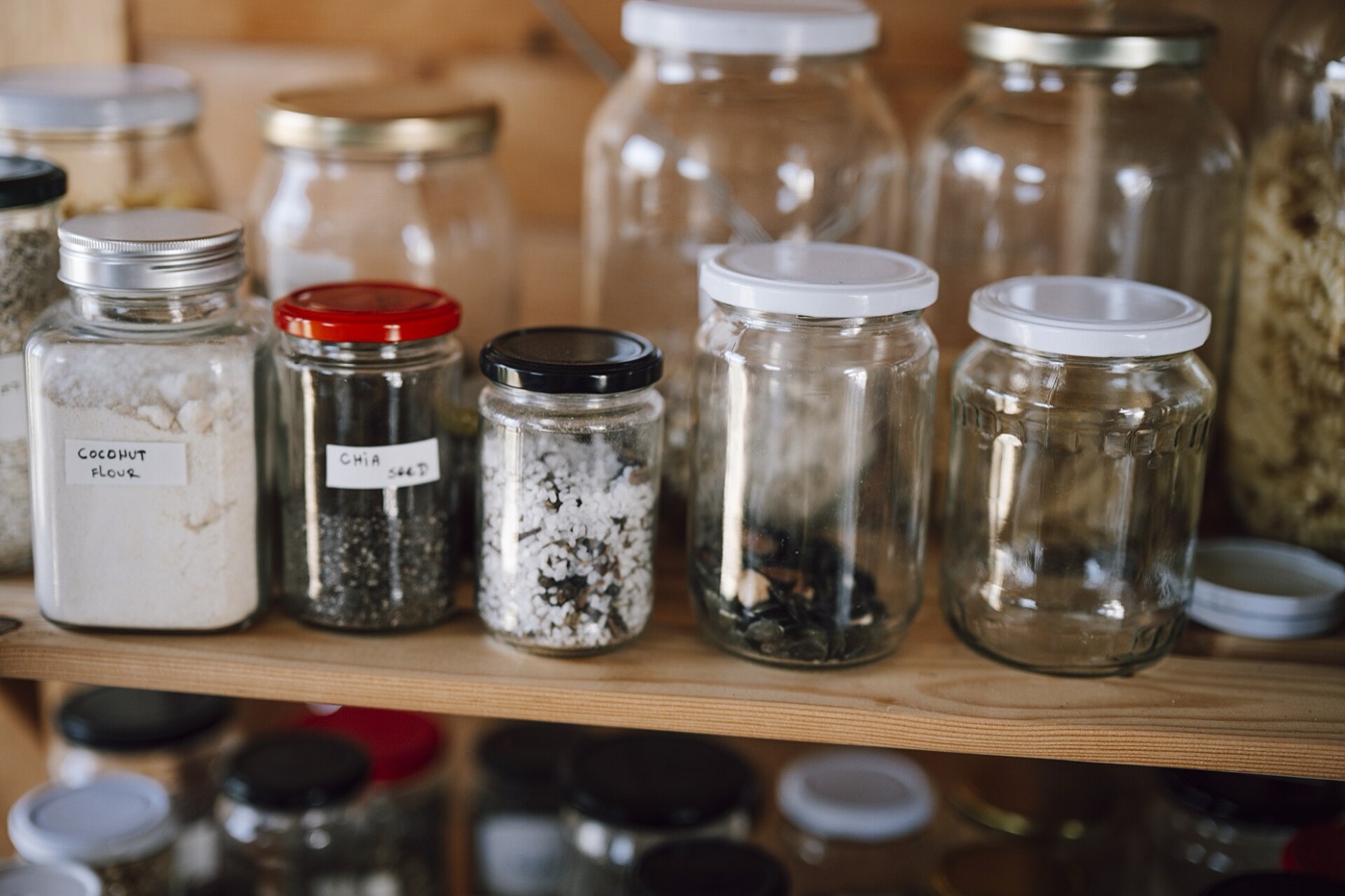
- Seal it in an airtight container or a zip bag with the air pressed out, and add silica gel if you have it.
- Label it with the crop, variety and year.
- Put the sealed container in the freezer.
- When you take seed out, let the sealed container come to room temperature before opening it, so moisture does not condense on the cold seed.
How long do frozen seeds last?
Considerably longer than seed kept in a warm cupboard — the freezer slows ageing rather than stopping it. There is no single number, because it depends on the crop and how dry the seed was, but freezing can extend storage from a few years to many. Test a few seeds before relying on a long-stored batch; see the germination test.
What about the fridge instead?
A sealed jar in the fridge is a gentler version of the same idea and is the safer default for most home gardeners. It keeps seed cool and dark without the condensation risk of the freezer, and it is far less fussy about exactly how dry the seed is. If you are unsure whether your seed is dry enough to freeze, use the fridge instead.
Never freeze damp seed
Freezing seed that still holds moisture damages it beyond use. If in doubt, dry it longer — or store it cool and dry rather than frozen.
Fridge or freezer, at a glance
| Fridge (sealed jar) | Freezer | |
|---|---|---|
| Keeps seed cool | Yes | Yes, colder |
| Needs bone-dry seed | Helpful, not essential | Essential |
| Condensation risk | Low | High if opened warm |
| Best for | Most home gardens | Long-term, valuable seed |
For most home gardeners the fridge is the sensible default; the freezer is worth the extra care only when you are storing seed for many years.
Thawing and using frozen seed
When you are ready to sow, take the sealed container out and let it stand until it reaches room temperature before opening it. Opening it while cold lets moist room air condense straight onto the seed, which is the exact harm freezing was meant to avoid. Once opened, treat the seed normally: sow it, or move what you do not need back into the cool, dry store. There is no need to thaw seed gradually beyond that — the important thing is to open it sealed and at room temperature.
What not to freeze
- Any seed you are not sure is dry. Damp seed is damaged by freezing.
- Fleshy or large seed that is hard to dry fully.
- Seed you will sow soon. If you are planting within a season, the fridge is simpler and safer.
- Open packets. Always seal, or frost and moisture get straight to the seed.
If you would rather not freeze
The fridge is the easy alternative: seal dry seed in a jar and keep it on a shelf rather than the door, which swings in temperature every time it opens. Even a cool, dark cupboard beats a warm one. Wherever you keep seed, the priorities are the same — dry it first, seal it, keep it cool and check it each season with a germination test.
Tools for this guide
Related guides
- How to Keep Seeds Dry in Storage
- How to Store Seeds at Home
- How Long Do Seeds Last? (Viability by Vegetable)
Sources and research notes
Guidance follows general seed-storage advice from horticultural and seed-saving sources. Freezing only helps seed that is properly dried and sealed.
Written and edited by the Seedledge Editorial. Every guide answers one real growing question, is checked against the sources listed above, and is updated when guidance changes. We are an independent editorial desk, not horticultural professionals — read how we research and update our guides.