How to Store Seeds at Home
The container matters less than the conditions inside it. This table-first guide matches each kind of seed to the container and spot that will keep it alive longest.
Good seed storage comes down to three things: keep it dry, keep it cool, keep it dark — and keep it steady. Containers help, but only if the seed inside is already dry. Start with this comparison, then work through the sections below.
| Container | Best for | Watch out for |
|---|---|---|
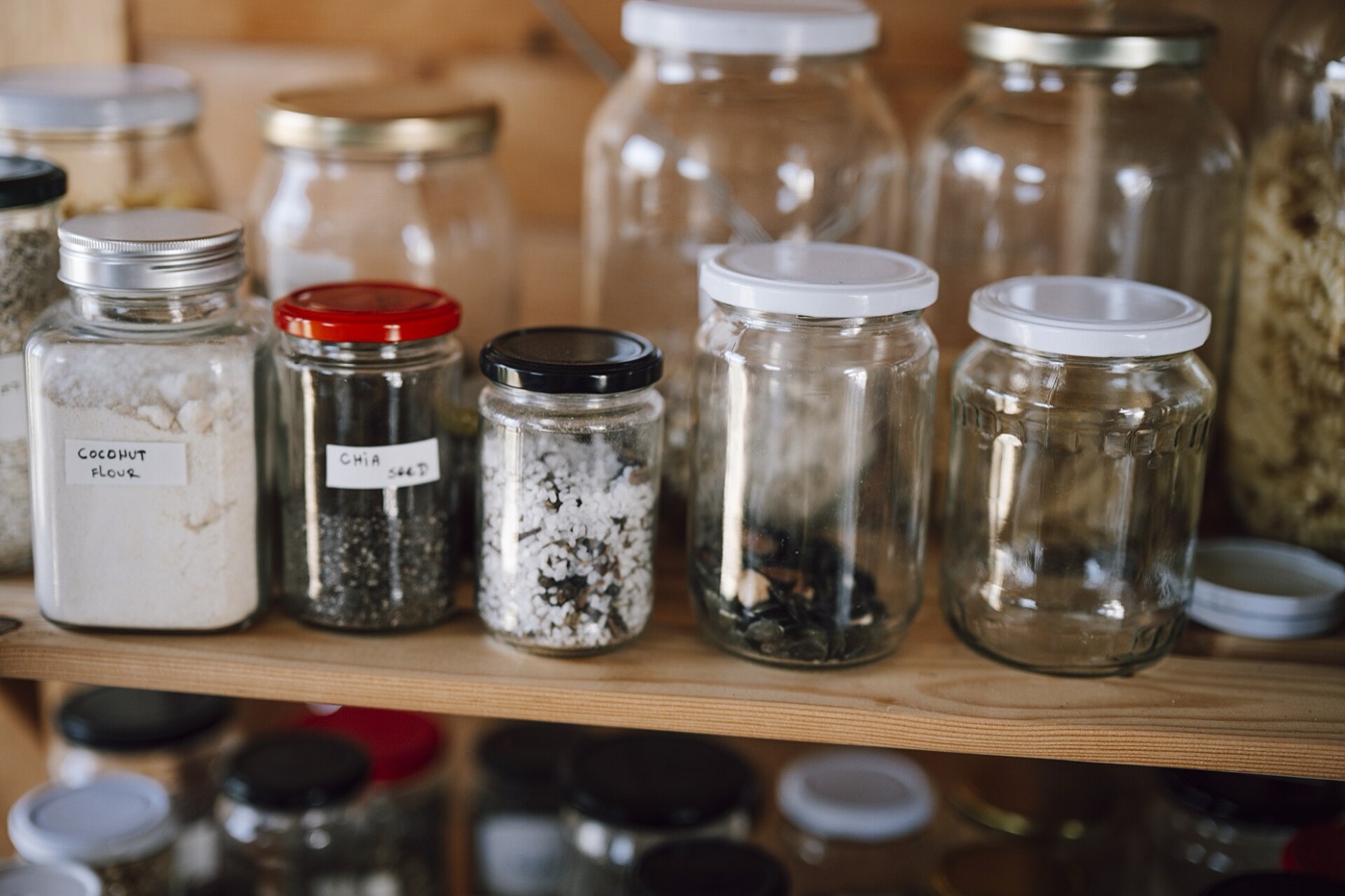
| Airtight jar / clip-top | Most seed, longer term | Only use bone-dry seed; check the seal |
| Paper envelope | Short-term, or drying | Lets in moisture over months |
| Zip bag | Small amounts, shared swaps | Squashes seed; not airtight for long |
| Fridge (sealed jar) | Long-term, valuable seed | Condensation if opened while cold |
| Silica gel sachet | Added to any sealed container | Replace or dry it out periodically |
Temperature and humidity
Seed ages faster when it is warm and damp. The rough rule gardeners use is that seed life roughly halves for every 5 °C of extra warmth and every 1% of extra moisture — which is why the same packet lasts far longer in a cool cupboard than on a sunny shelf. A dry, dark, steady spot at room temperature or below, and a sealed container, covers most home needs.
Containers, in practice
Airtight is better than open, but airtight only pays off once the seed is dry. If you seal in still-damp seed, the container traps the moisture with it and the batch moulds. So the order is always: dry first, then seal. For the smallest collections, a labelled jar per crop is easiest; for a growing seed box, envelopes inside one sealed container work well and are cheap to label.
Where to keep them
- Cool and dark: a cupboard away from radiators and windows.
- Steady: avoid sheds that swing between hot and freezing.
- Not the fridge door: temperature there fluctuates every time it opens.
- Somewhere you will check: a labelled box you actually open each season.
Checking on stored seed
A seed box is not "set and forget". Once a season, sort it: sow the short-lived crops first, test anything older than its typical life with a germination test, and bin what has died. For how long each crop keeps, see the viability table and the seed viability lookup tool.
Dry first, then seal
The most common storage mistake is sealing seed before it is dry. If a seed bends rather than snaps, it is not ready for the jar.
Labelling and organising
A seed box is only useful if you can find things and trust the dates. A few simple habits save a lot of waste:
- Label with the year, every time. Age is the thing you forget.
- Group by sowing season, not alphabetically — that is how you actually use them.
- Keep a "sow first" pile for short-lived crops such as parsnip and onion.
- Note the germination rate on packets you have tested, so you know how thickly to sow.
What shortens a seed's life
Heat and moisture are the two big ones, and they work together: warm, damp conditions age seed far faster than the same seed kept cool and dry. Add light and temperature swings and you have the full set of enemies. The fix is not exotic — a sealed container, a sachet of silica gel, a dark cupboard away from radiators, and the discipline to dry seed before sealing it. Get those right and your seed will outlast the dates printed on the original packets.
A simple seed-box method
You do not need special equipment. A working system looks like this:
- Dry each new batch in a warm room with a silica sachet until a seed snaps.
- Pack it into a labelled envelope or small jar — crop, variety and year.
- Group the packets by season inside one airtight box with a silica sachet.
- Keep the box cool and dark, and open it once a season to sort and test.
This is the same principle seed banks use, scaled down: dry, sealed, cool and checked. It costs almost nothing and reliably doubles the useful life of most seed compared with a warm kitchen drawer.
Tools for this guide
Related guides
- Should You Freeze Seeds?
- How to Keep Seeds Dry in Storage
- When to Harvest Seeds (and How to Tell They're Ready)
Sources and research notes
Storage advice follows general horticultural and seed-saving guidance; exact storage life depends on the crop and the conditions in your home.
Written and edited by the Seedledge Editorial. Every guide answers one real growing question, is checked against the sources listed above, and is updated when guidance changes. We are an independent editorial desk, not horticultural professionals — read how we research and update our guides.