Can You Save Seeds from a Supermarket Tomato or Pepper?
You can plant the seeds from shop-bought tomatoes and peppers — but what you get may not be what you ate. Here is when it works and when it does not.
Short answer: yes, the seeds will often germinate — but the plant they grow into may not match the fruit you took them from. Whether it works depends on how that variety was bred, not on the seed itself. This guide explains the difference, so you know what to expect before you commit a windowsill to it.
The one thing that decides it: hybrid or not
Most supermarket tomatoes and peppers are grown from F1 hybrid varieties. An F1 is the first cross of two parent lines, bred so the children are uniform and vigorous. Save seed from an F1 and you get its F2 generation, which is genetically mixed — usually still edible, but variable in size, flavour and ripening time.
If the variety is open-pollinated (including heirloom types), saved seed does come true, and you can grow the same tomato again. The trouble is that supermarket packs rarely tell you which you have.
Irradiated produce will not grow at all
A small amount of produce is treated (for example, irradiated) to extend shelf life. Treated seed is dead and will not sprout, however carefully you save it. It should be labelled — if it is, do not bother saving the seed.
Tomatoes vs peppers: which is easier?
- Peppers are the easier bet. Pepper seeds are dry inside the fruit and often viable straight from the shop. Spread them on a plate for a few days, then sow or store.
- Tomatoes need the gel removed to save cleanly — see how to save tomato seeds by fermenting.
- Both can be F1, so "will it germinate" and "will it come true" are two separate questions.
How to try it anyway
- Save from the best fruit, not the last one going soft.
- Clean and dry the seed (ferment tomatoes; air-dry peppers).
- Label it honestly — "supermarket tomato, 2026" — so next year you know it is a gamble.
- Sow a few extra and expect variation; keep the plants you like.
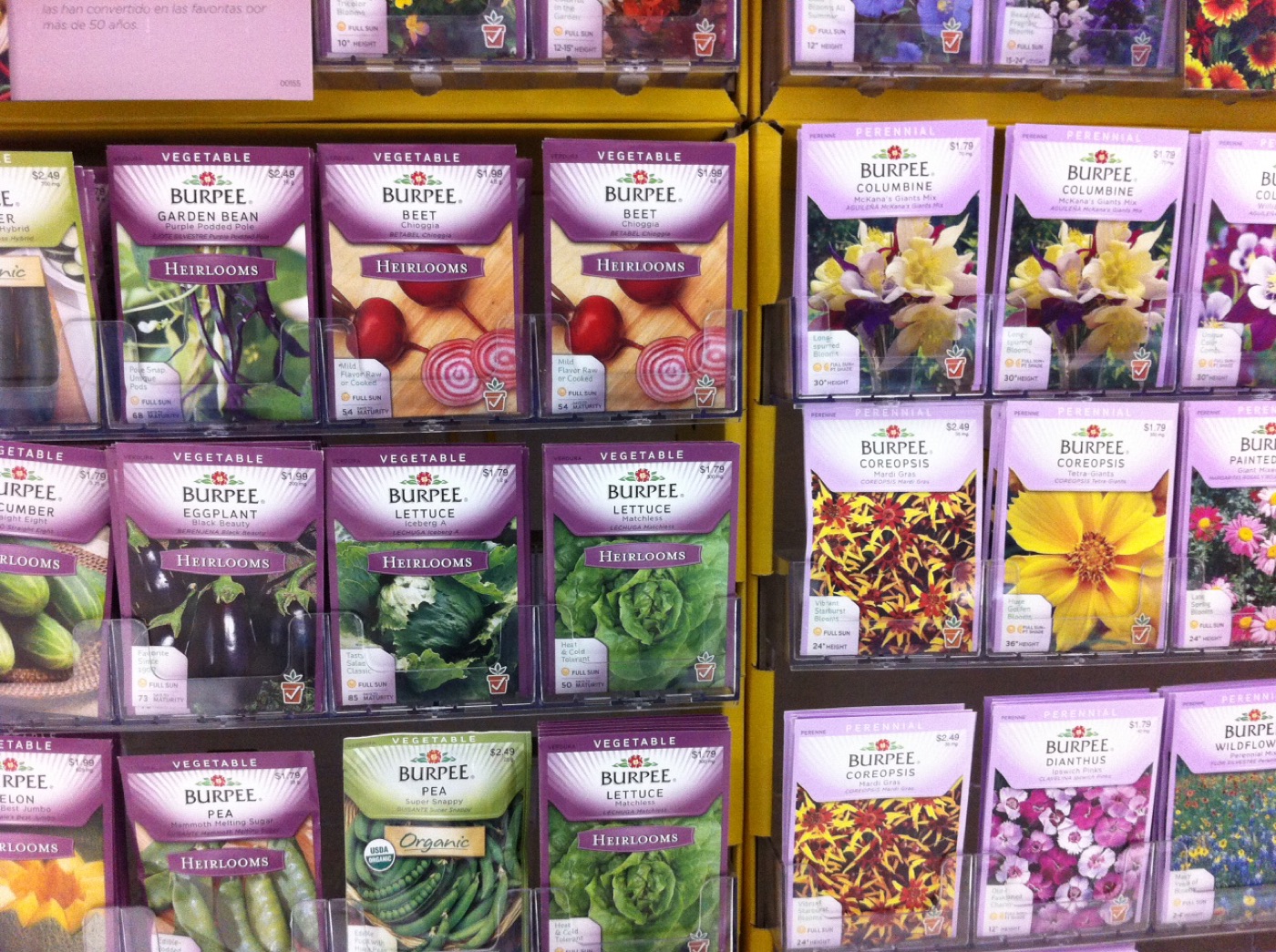
- If you want certainty, buy open-pollinated or heirloom seed from a seed supplier instead.
There is nothing wrong with the experiment — it is cheap and often fruitful. Just go in knowing you are growing a surprise, not a copy.
Which supermarket seeds are worth trying
Some are far better bets than others, mostly because of how the crop is bred and sold:
| Crop | Worth trying? | Why |
|---|---|---|
| Peppers & chillies | Often yes | Dry seed, easy to save; result varies if it was an F1 |
| Tomatoes | Maybe | Very commonly F1; needs fermenting to save cleanly |
| Melon & squash | Maybe | Seed saves well, but varieties are often hybrids |
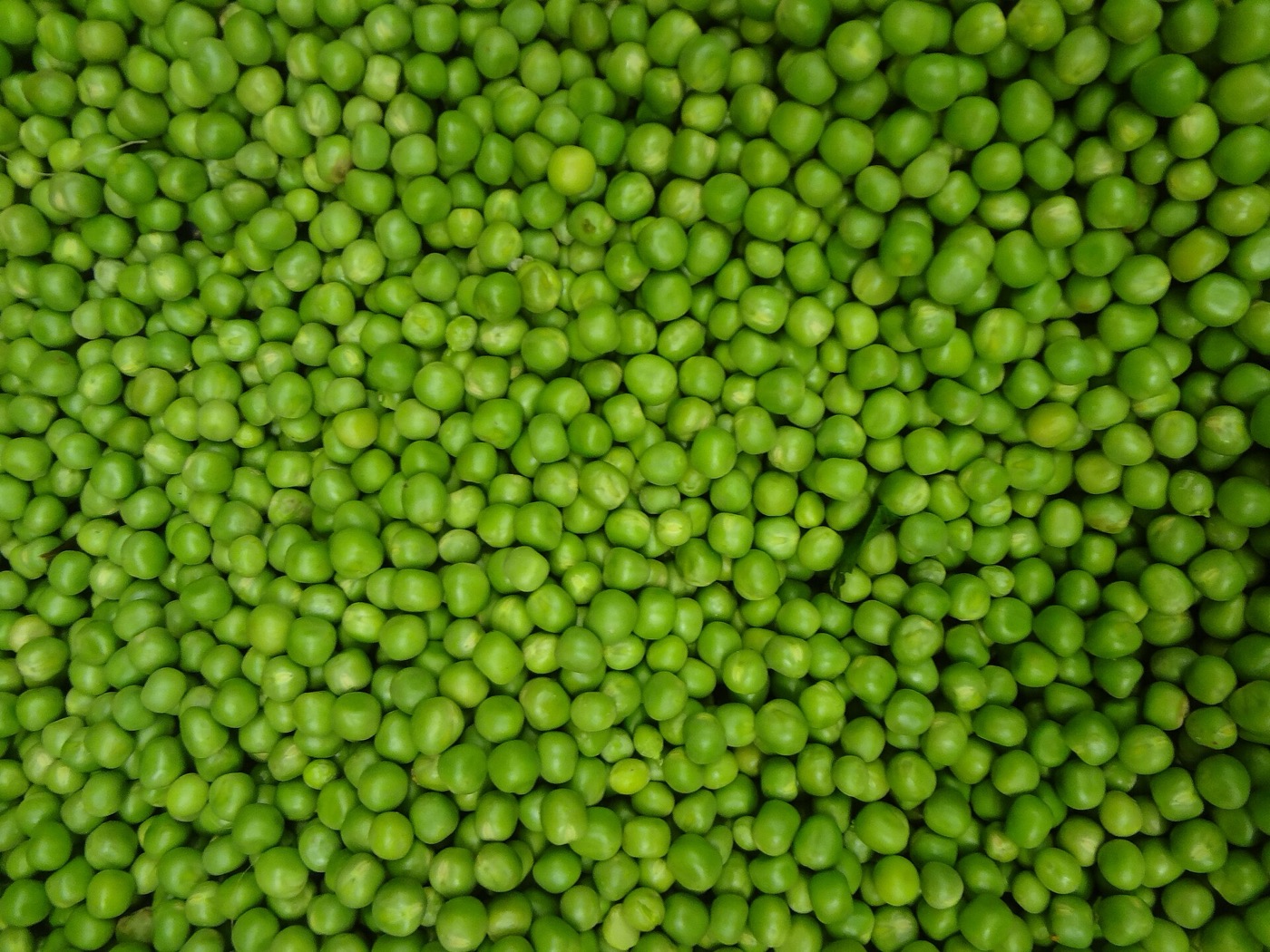
| Dried beans & peas | Often yes | Usually open-pollinated and easy to store |
| Potatoes | Not from seed | Grown from tubers; shop ones may be treated to stop sprouting |
The pattern is simple: crops sold as a named variety are the most likely to be hybrids, while dried beans and peas are usually open-pollinated and save reliably.
How to work out what you are growing
- Look for "F1" on seed packets. Supermarket fruit rarely says, which is why the result is a gamble.
- Watch for heritage or heirloom wording on the fruit it came from — some are sold as named traditional varieties.
- Grow a few and select. If one plant performs well, save from that one next year; over a few seasons you can stabilise your own line.
A simple way to try it: the one-plant test
If you want to experiment without committing a whole bed, grow just one or two plants from supermarket seed the first year. You will quickly see whether the fruit matches what you ate. If it does, save from it next season and you have your own reliable line; if it does not, you have lost only a couple of pots.
What actually happens in the next generation
When an F1 hybrid self-pollinates or is pollinated by another tomato nearby, its seed carries a random mix of the traits of its two parent lines. The result is the F2 generation: plants that can differ wildly from the fruit you saved. One may crop early, another late; fruit may be smaller, larger, or a different colour. This is not a flaw in your saving method — it is simply how hybrid genetics work.
Because of that, saved supermarket seed is best treated as a lottery rather than a reliable variety. If one plant turns out well, save from that plant next year, and you begin to stabilise your own line.
Which is worth your windowsill
Space is limited, so it is worth being selective. Peppers and chillies are usually the best bet: the seed is easy to save dry and often vigorous. Tomatoes are worth trying for the fun of it, but expect variety. Dried beans and peas from a wholefood shop are often a better return than fresh produce, because they are frequently open-pollinated and store well. Save the supermarket experiment for a spare pot, and rely on bought open-pollinated seed for anything you actually depend on.
Frequently asked questions
Will supermarket tomato seeds germinate?
Usually yes, if the fruit was ripe and the seeds were not treated. Germination is easy; matching the parent is the hard part.
Why did my supermarket tomato grow into a weird plant?
Because the original was likely an F1 hybrid. Its saved seed (F2) splits into a mix of characteristics from its grandparents.
Can supermarket pepper seeds be saved dry?
Yes. Pepper seeds come out of the fruit dry; spread them for a few days to finish drying, then store or sow. See how long they keep.
Is it worth saving from supermarket fruit at all?
As a cheap experiment, yes. For reliability and named varieties, start from open-pollinated seed you buy.
Tools for this guide
Related guides
- How to Save Seeds from Cucumbers, Peppers and Squash
- When to Harvest Seeds (and How to Tell They're Ready)
- How to Save Sunflower Seeds
Sources and research notes
This guide explains how hybrid vs open-pollinated breeding affects saved seed. It is not a guarantee about any specific supermarket product.
Written and edited by the Seedledge Editorial. Every guide answers one real growing question, is checked against the sources listed above, and is updated when guidance changes. We are an independent editorial desk, not horticultural professionals — read how we research and update our guides.