How to Save Lettuce Seed
Lettuce seeds itself so willingly that saving seed is almost accidental. Let one plant bolt, wait for the fluffy heads to dry, and you have seed for years.
Lettuce is one of the friendliest plants to save seed from, because it does most of the work itself. Left in the ground, a lettuce eventually stops making leaves and sends up a tall stem that flowers and sets seed — a process called bolting. Gardeners usually fight bolting to keep leaves tender, but for seed saving you simply let it happen.
Because lettuce is largely self-pollinating, the seed you save usually comes true, and one plant can yield more than enough for several seasons.
Let it bolt
Choose your best, healthiest plant — not the runty one. Stop harvesting from it and let it run to seed. The head will stretch upward into a stem with small yellow flowers, and over a few weeks these turn into fluffy white seed heads. If you are growing more than one variety, keep them apart or accept some crossing, as lettuce can cross-pollinate between close varieties.
Step by step
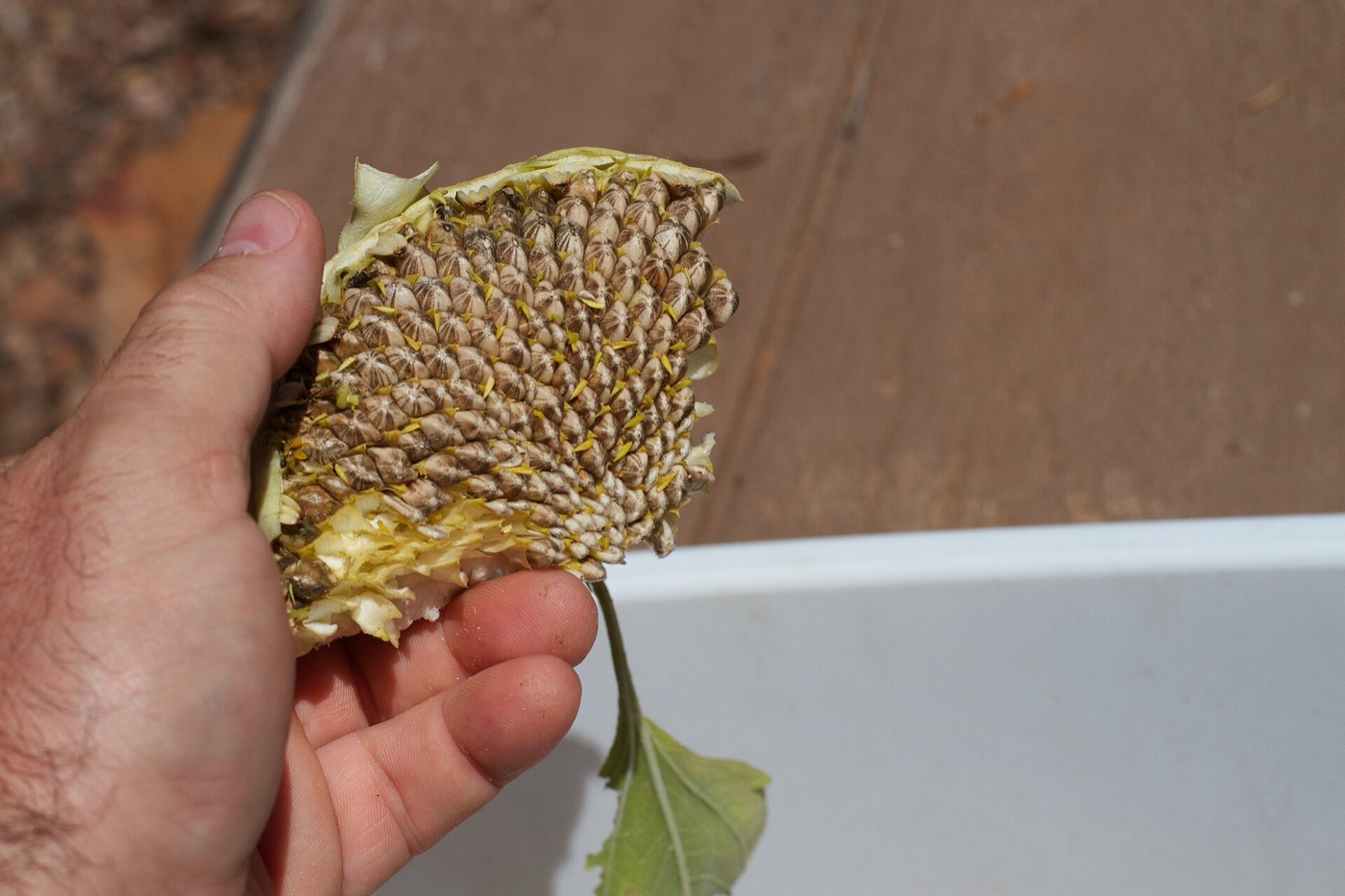
- Wait for the fluff. The seed is ripe when the fluffy heads have opened and begun to turn brown and dry, and the seed rattles inside.
- Collect before it scatters. Lettuce seed blows away easily. As soon as the heads are dry, bend each one into a paper bag and rub or shake the seed loose, or cut the whole stem and hang it upside down inside a paper bag to finish drying.
- Dry further. Spread the seed in a thin layer somewhere warm and dry for a few days.
- Clean it. Rub gently to separate seed from the chaff, then winnow by pouring between two bowls in a light breeze.
- Label and store. Write the variety and year on the packet, then store cool and dry.
A trick to catch every seed
Because the seed scatters the moment it is fully ripe, the paper-bag method is the reliable one. Tie a small paper bag loosely over the seed head while it is still ripening on the plant. As the seed releases, it falls into the bag instead of onto the soil, and you lose nothing. Check the bag every few days.
Storing
Lettuce seed keeps well — typically three years or more in cool, dry conditions, and longer in a sealed jar with a silica gel sachet in the fridge. Keep it cool, dark and dry, and label clearly so you know which variety and which year you are sowing.
Sowing your own seed
Home-saved lettuce seed germinates readily and can be sown exactly like bought seed — thinly, in succession, for a steady supply of leaves. Sow a little every two or three weeks and keep the plants well watered; the main enemy of good lettuce is drought, which brings on the bolting you spent all season trying to avoid.
Tools for this guide
Related guides
- When to Harvest Seeds (and How to Tell They're Ready)
- How to Save Tomato Seeds (and Why Fermentation Helps)
- Can You Save Seeds from a Supermarket Tomato or Pepper?
Which lettuce to save from
Save from open-pollinated or heritage varieties, which come true from seed. Modern F1 hybrids can still be saved, but their seed will vary and may be disappointing. Choose your strongest, best-tasting plant and let that one run to seed, rather than an anonymous plant at the end of the row.
If you grow several varieties at once, they can cross-pollinate, so either space them well apart and sow a different variety each year, or accept that the seed may be a blend. For most home growers a little crossing is harmless.
Sources and research notes
Method follows UK seed-saving guidance for self-pollinating crops. Lettuce seed can cross with other varieties flowering nearby.
Written and edited by the Seedledge Editorial. Every guide answers one real growing question, is checked against the sources listed above, and is updated when guidance changes. We are an independent editorial desk, not horticultural professionals — read how we research and update our guides.