How to Read a Seed Packet
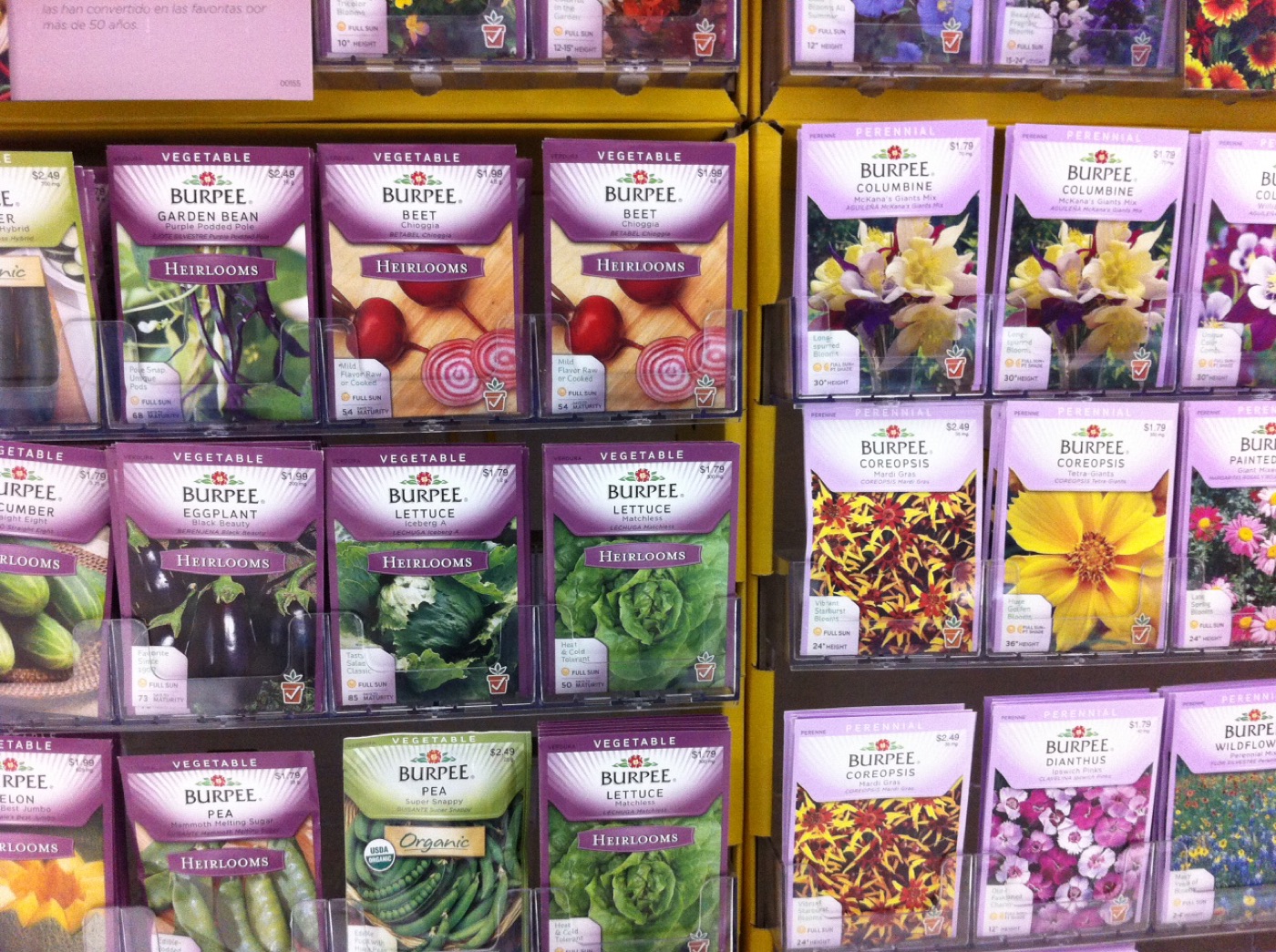
A seed packet is a small instruction sheet with a lot of information squeezed onto it. Knowing what each line means turns a confusing label into a plan for the whole season.
Every seed packet is packed with more than seed. Underneath the picture is a set of facts — sowing dates, depth, spacing, germination time — that tell you almost everything you need to grow the crop. Read in the right order, it becomes a plan. Here is what each part usually means.
Variety and plant name
The front usually gives the variety name, such as "Gardener's Delight", and often the botanical or common name. The variety name matters: two packets of "tomato" can behave very differently. Check for clues about habit and use — "bush" or "determinate" for compact plants, "climbing" or "indeterminate" for tall ones, "early" for quick crops.
Packed for / sell-by year
Packets carry a year, usually as "packed for 2026" or "sow by 2026". This tells you when the seed was packed, not when it dies. Fresh seed germinates best, but most seed keeps for several years if stored cool and dry. A packet a year or two past its date, kept properly, is often still perfectly good.
Sowing dates
This is the most useful line. It gives a window for sowing, and it is tied to your climate, so treat it as a guide rather than a command. Two phrases appear often:
- Indoors / under cover. Start the seed in pots inside or in a greenhouse, then plant out once the weather suits. Used for tender crops like tomatoes and peppers.
- Direct sow / outdoors. Sow straight into the ground. Used for hardier crops like carrots and peas that dislike transplanting.
Sowing depth and spacing
Depth is usually given in millimetres or centimetres, or described as "surface sow" for seed that needs light to germinate. The rule of thumb is to cover seed only as deep as it is wide, but the packet knows the crop better than the rule does — some seeds need light, others need darkness.
Spacing tells you how far apart to thin the plants once they are up. Do not skip thinning: plants left too close compete for light, water and nutrients, and yield drops.
Days to germinate and to harvest
"Days to germination" is the usual range, such as 7–14 days. It tells you when to expect signs of life and when to start worrying if nothing appears. "Days to maturity" or "days to harvest" is counted from transplanting for started plants and from sowing for direct-sown ones. Use it to plan succession sowings so the crop arrives when you want it.
Letters and codes
| Term | What it means |
|---|---|
| F1 / F1 hybrid | Seed from a controlled cross of two parents. Uniform and vigorous, but seed saved from the plants will not come true. |
| Heritage / heirloom | An open-pollinated variety, often older, whose seed can be saved and grown again. |
| Organic | Grown under organic certification. |
| Pelleted / primed | Seed treated for easier handling or faster, more even germination. |
Putting it together
Read the packet in order: what it is, when to sow, how deep, how far apart, how long it takes. Then check it against your own conditions — your last frost date, your soil, your space. The packet gives the crop's defaults; you supply the local knowledge. Keep the empty packet, write the sowing date on it, and you have a useful record of what you grew and when.
When the packet and your garden disagree
Packets are written for a broad audience, so their dates are usually a compromise. Your last frost date, the warmth of your soil and the shelter of your plot all shift the real window. The reliable approach is to treat the packet as a starting point, then adjust: sow a small trial batch at the packet's earliest date, watch how it does, and trust your own record over the printed range next year.
This is why keeping the empty packets, with the sowing date written on, is so useful. After a season or two you have your own localised version of the instructions — far more accurate than anything printed for the whole country.
Tools for this guide
Related guides
- When to Harvest Seeds (and How to Tell They're Ready)
- How to Save Seeds from Cucumbers, Peppers and Squash
- How to Save Tomato Seeds (and Why Fermentation Helps)
Sources and research notes
Interpretation follows general UK seed-sowing guidance. Wording and layout vary between seed companies, but the core information is consistent.
Written and edited by the Seedledge Editorial. Every guide answers one real growing question, is checked against the sources listed above, and is updated when guidance changes. We are an independent editorial desk, not horticultural professionals — read how we research and update our guides.