How to Save Sunflower Seeds
A sunflower head can hold hundreds of seeds, and saving them is one of the most satisfying jobs of late summer. Timing is everything — pick too early and none of them will grow.
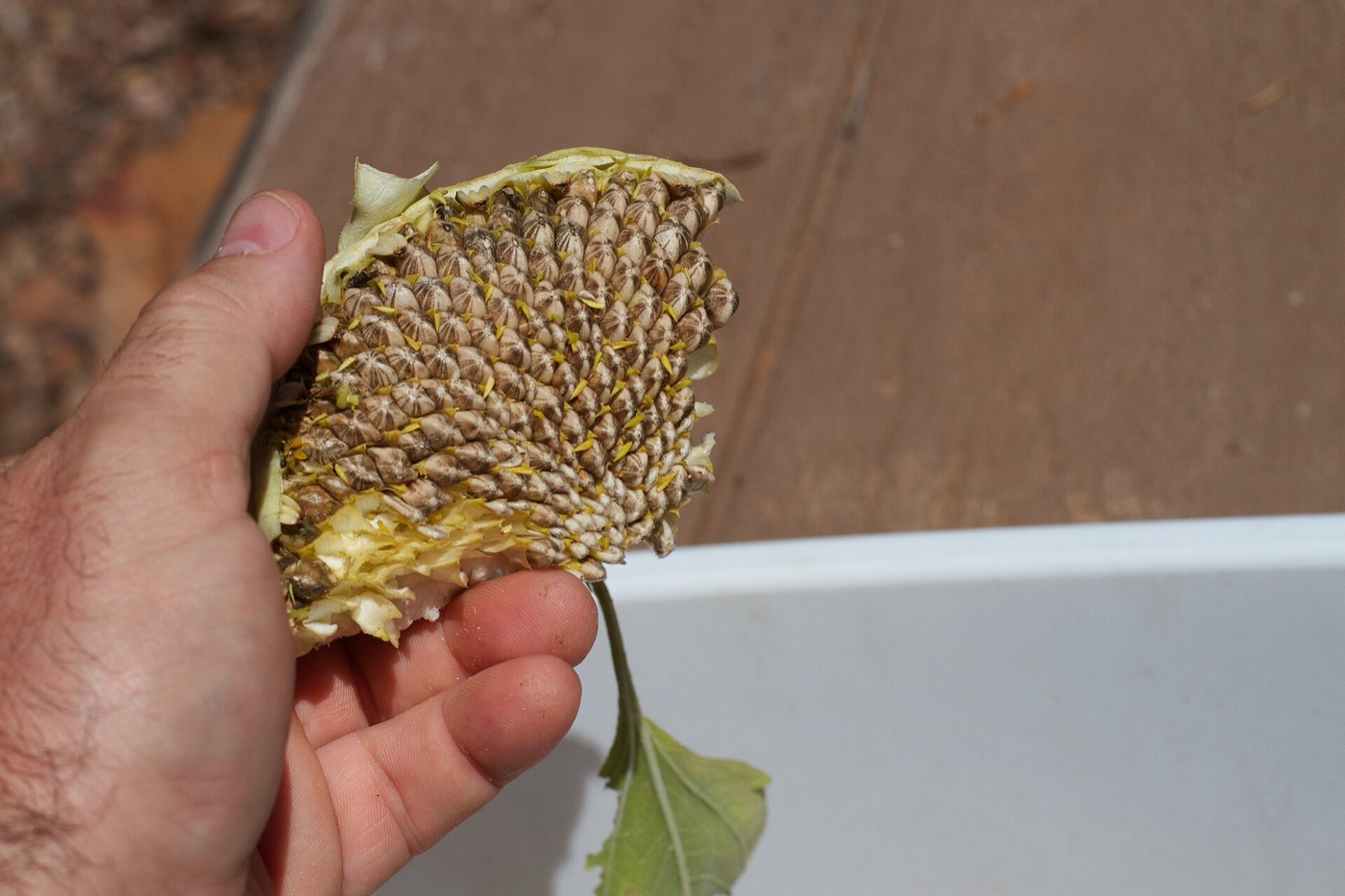
By late summer a single sunflower head can be packed with hundreds of seeds, and unlike many crops the seed is easy to see, easy to handle and easy to dry. It is a generous plant to save from: one good head can supply you with seed for years. The only real skill is knowing when to harvest, because a head picked too early holds immature seeds that will never germinate.
When the seed is ready
Do not go by the calendar — go by the plant. A sunflower head is ready when:
- The petals have shrivelled and dropped.
- The back of the head has turned from green to brown and dry.
- The seeds feel plump and hard, not soft, when you press them.
- The head begins to nod downwards under the weight of the seed.
If birds have started helping themselves, that is a good sign the seed is nearly ripe — but it is also a sign to act. Once the seeds are hard, cover the head with a paper bag or a piece of netting to keep the birds off while it finishes drying on the plant.
Step by step
- Cut the head. When the back is dry and the seeds are hard, cut the stem about 30 cm below the head, early in the day.
- Dry it under cover. Hang the head upside down somewhere dry, airy and out of direct sun, with a paper bag tied loosely over it to catch any seed that falls. Leave it for one to two weeks.
- Rub the seeds out. Once fully dry, rub the face of the head with your thumb or a stiff brush and the seeds will release in handfuls.
- Winnow and sort. Tip the seed from one bowl to another in a light breeze, or pick out the chaff by hand. Discard any flat, pale or hollow seeds — those will not grow.
- Dry again. Spread the cleaned seed in a single layer for a few more days before storing.
Which heads to save from
Not every sunflower is worth saving. If you want seed for next year's flowers, choose the head from your strongest, largest-flowered plant, and one that flowered early rather than the last stragglers. As with all seed saving, the plant you save from sets the quality of next year's crop.
Single-flowered, open-pollinated sunflowers make the best seed to keep. Modern hybrids sold as F1 may not come true, and many are bred to be pollen-free — which means little or no good seed at all. If a head produces mostly empty husks, it was probably one of these, and the effort is better spent on a heritage variety.
Storing
Sunflower seed stores well if it is genuinely dry. Keep it in a labelled paper envelope or a sealed jar in a cool, dark place, with a silica gel sachet if it is in a jar. Seed kept dry and cool stays viable for several years. If you are also saving seed to eat, keep the seed for sowing separate from the kitchen supply, and label clearly.
A note on crossing
Sunflowers cross-pollinate freely, so if you grew more than one variety close together, the seed will be a mix — interesting, but not reliably the same as the parent. If you want to keep a variety true, grow just one type, or isolate your chosen plants from others by a good distance. Open-pollinated and heritage varieties come reasonably true; saved seed from an F1 hybrid will vary.
Why are the seeds empty?
Empty or papery seeds are usually a sign they were harvested too early, or that the plant was stressed. Wait until the back of the head is properly dry next time.
Can I save seeds from a sunflower I bought as a cut flower?
Only if the flower was pollinated and the head matures fully. Most cut flowers are picked too early to set good seed.
Tools for this guide
Related guides
- When to Harvest Seeds (and How to Tell They're Ready)
- How to Save Tomato Seeds (and Why Fermentation Helps)
- Can You Save Seeds from a Supermarket Tomato or Pepper?
Sources and research notes
Harvest and storage guidance follows general UK seed-saving practice. Crossing depends on how many varieties are grown nearby.
Written and edited by the Seedledge Editorial. Every guide answers one real growing question, is checked against the sources listed above, and is updated when guidance changes. We are an independent editorial desk, not horticultural professionals — read how we research and update our guides.