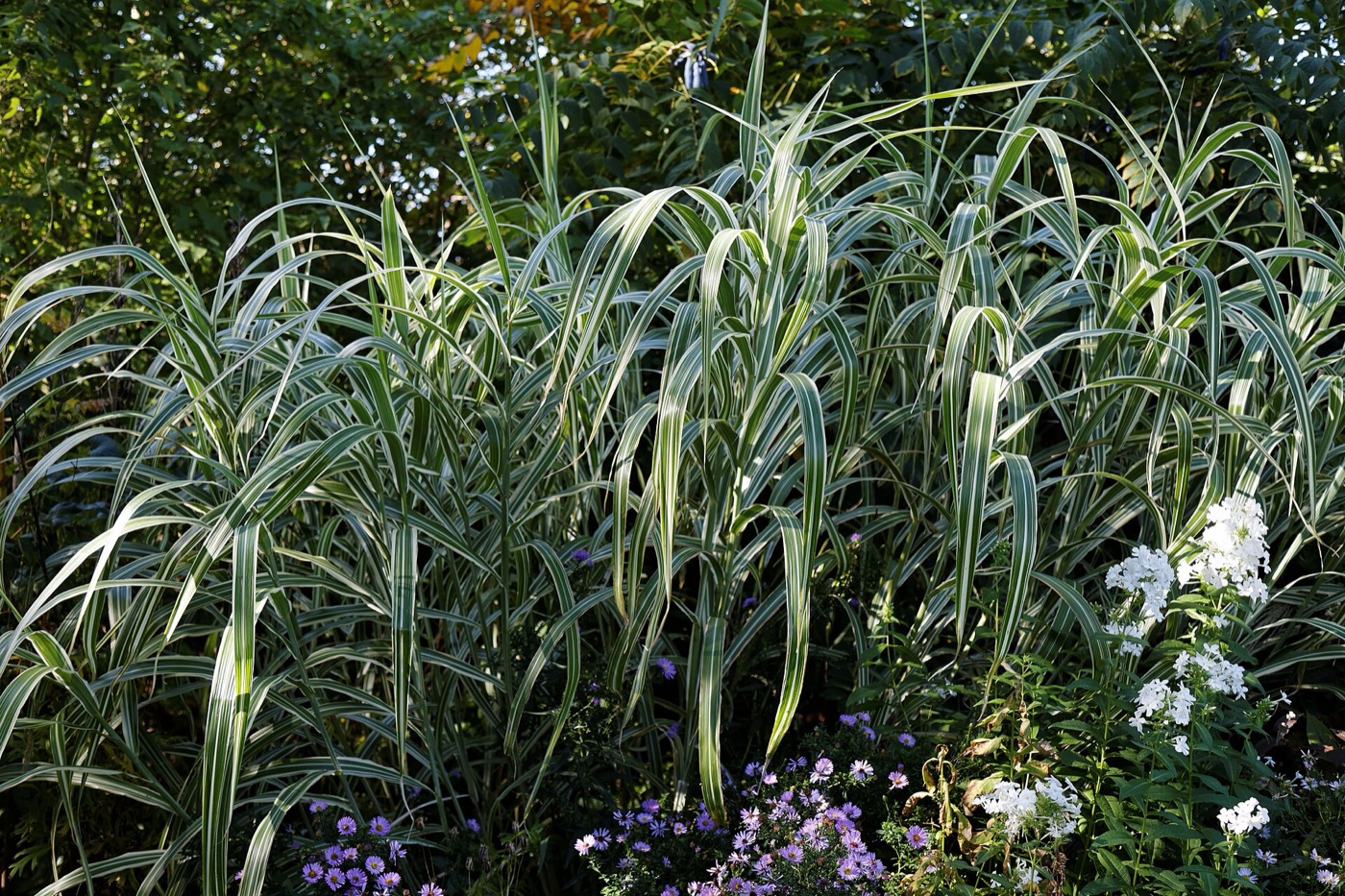
How to Divide Ornamental Grasses
Ornamental grasses bulk up into dense clumps that die out in the middle and flop. Cutting the clump into sections every few years keeps them vigorous and gives you new plants for free.
Ornamental grasses are some of the easiest perennials to divide, partly because they tell you plainly when they need it: the clump grows into a tight ring, the centre dies out, flowering drops off and the whole thing starts to flop open. Left alone, the dead centre spreads and the plant loses its shape. Dividing it restores vigour and multiplies your stock in a single morning's work.
When to divide
The safest time is early spring, just as new growth begins to show at the base. The plant is about to spend energy on fresh shoots, and the soil is moist and warming. For warm-season grasses that are slow to start, wait until you can see new green shoots before you lift them — dividing too early, while they are fully dormant, sets them back.
Avoid dividing in high summer, when the plant is in full growth and the roots dry out fast. If you must move a grass then, do it on a cool, damp day and water constantly afterwards.
Which grasses divide easily
| Type | Examples | Ease of dividing |
|---|---|---|
| Clump-forming | Miscanthus, Calamagrostis, Panicum | Easy — lift and split by hand or with two forks. |
| Tough, woody crowns | Older Miscanthus, Cortaderia | Harder — needs a spade, saw or axe to cut through. |
| Running / spreading | Some bamboos, Phalaris | Different job — cut out sections of rhizome, not whole clumps. |
Step by step
- Cut the old growth back. Before you lift the clump, cut last year's stems down to about 10 cm with shears or secateurs. This makes the plant far easier to handle and lets you see the new shoots.
- Lift the whole clump. Dig around it with a fork, well outside the edge, and lever the root ball out. Grasses have dense, fibrous roots, so expect a solid mass.
- Split it. For smaller clumps, two garden forks placed back to back and levered apart works well. For tough crowns, cut straight down through the root ball with a sharp spade, or saw it into sections.
- Keep the vigorous outer pieces. As with most perennials, the young outer growth is the best material. Throw away the tired, dead centre.
- Replant at the same depth. Set each division so the crown sits at the level it grew before, firm the soil and water it in well.
A gentle way with big grasses
Huge, woody clumps can be brutal to split, so some gardeners skip the lifting entirely. Dig out a wedge-shaped section from the edge of the clump with a spade, severing the roots, then fill the gap with soil. The removed wedge becomes a new plant, and the original stays put and thickens back. It is slower than lifting the whole thing, but far less back-breaking.
Running grasses and bamboos
Spreading grasses need a different approach. They do not grow as a single clump, so there is nothing to lift and split — instead they throw out underground stems that surface some distance away. To control them, dig out a section of the running rhizome with its top growth attached and replant it. This both thins the patch and gives you a new plant.
Running bamboos and grasses can become invasive in the wrong spot. Dividing them in a contained bed, or with a sturdy root barrier, saves years of digging them out later. If you want the look without the spread, choose clump-forming types instead.
Aftercare
Water new divisions regularly through their first season while they establish, especially in a dry spell. A mulch helps keep moisture in and suppress weeds. Once settled, ornamental grasses are tough and need little care beyond cutting back the old stems each spring. Do not feed them heavily — rich soil makes grasses grow soft and flop.
Related guides
- How to Divide Bearded Iris (and Get More Flowers)
- How to Divide Hostas and Daylilies
- How to Propagate Strawberry Runners
Sources and research notes
Timing and method follow UK horticultural guidance for herbaceous grasses. Ease of division varies with species and the age of the clump.
Written and edited by the Seedledge Editorial. Every guide answers one real growing question, is checked against the sources listed above, and is updated when guidance changes. We are an independent editorial desk, not horticultural professionals — read how we research and update our guides.