Rooting a Branch While It Is Still on the Plant
Layering persuades a stem to grow roots before it is cut from the parent. It is slower than taking a cutting, but far more forgiving — the new plant is fed the whole time, so it rarely fails.
Most propagation asks you to cut a piece off a plant and then keep it alive on its own. Layering turns that around. You wound a stem, keep it in contact with moist soil or moss, and let it grow roots while it is still attached to the parent. Because the parent keeps supplying water and nutrients, a layered stem almost never wilts, and the success rate is high even for a beginner.
The trade-off is time. Where a cutting might root in weeks, a layer can take a season. For woody plants that are stubborn from cuttings — or for a branch you simply cannot reach to cut — that is often a fair swap.
The main kinds of layering
| Method | How it works | Good for |
|---|---|---|
| Simple / ground layering | Bend a low stem down, bury a section in soil, leaving the tip out. | Shrubs with flexible low growth. |
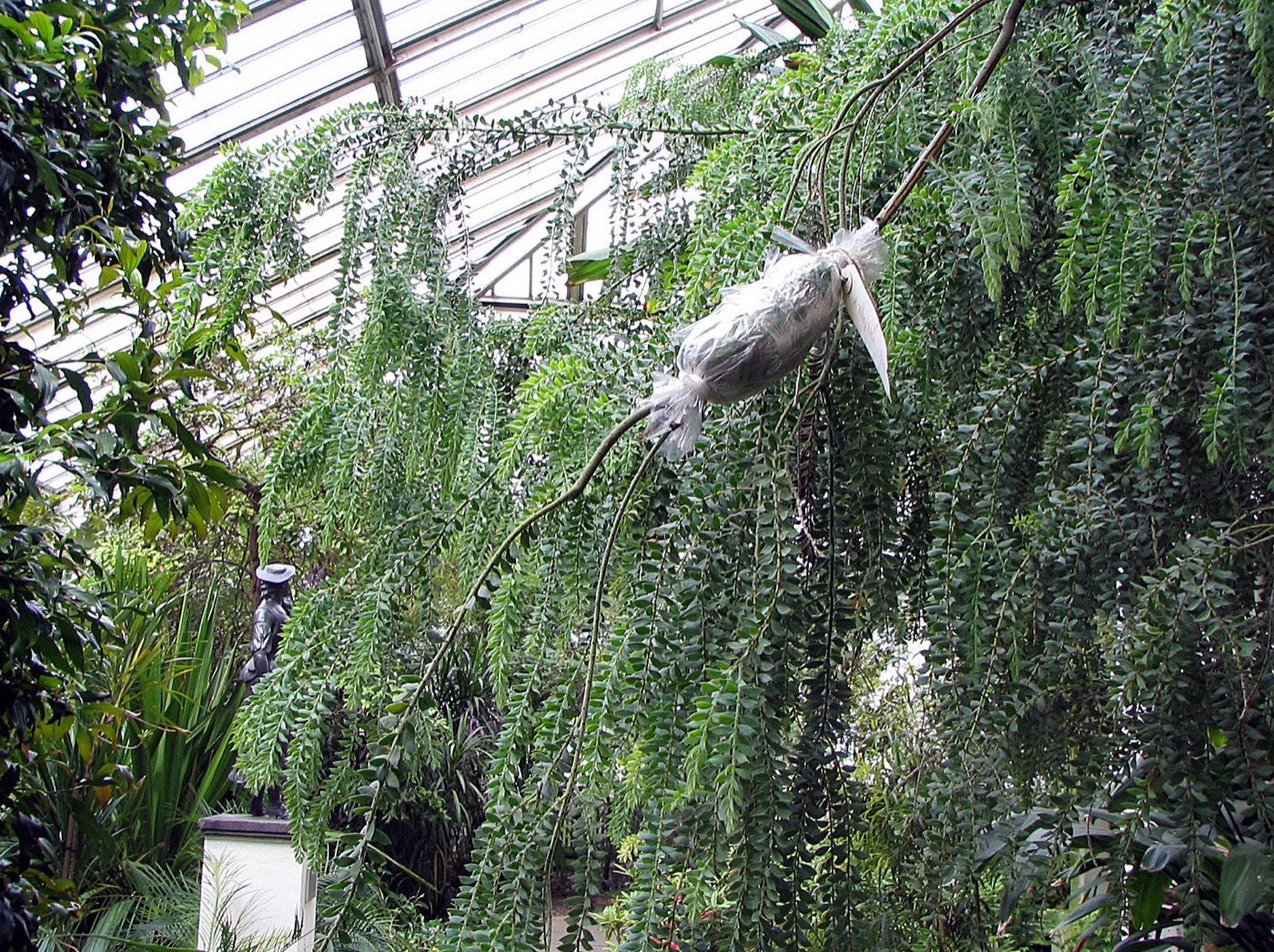
| Air layering | Wound a stem up in the air and wrap it in damp moss inside a bag. | Thick or upright stems you cannot bend to the ground. |
| Tip layering | Bury the growing tip; it roots where it touches soil. | Brambles and some canes. |
| Serpentine layering | Bury alternating sections of a long stem, above and below ground. | Vines and climbers you want several plants from. |
Air layering, step by step
Air layering is the version people use most often for houseplants and shrubs with upright stems. Here is the method.
- Choose a healthy stem. Pick this year's growth, firm and woody at the point you will wound. Do it in spring or early summer, when the plant is growing strongly.
- Wound the stem. About 20–30 cm below the tip, make a shallow upward cut about 3–5 cm long, angling into the stem. Slide a matchstick or a scrap of plastic in to keep the cut open — do not let it heal shut.
- Wrap it in damp moss. Squeeze moist sphagnum moss around the wound, then wrap the whole thing in a clear plastic bag or cling film and tie it at both ends to hold the moisture in.
- Keep it damp. Check every week or two — the moss should stay moist, not dripping. Add a little water if it dries out.
- Watch for roots. Once you can see a good cluster of roots through the plastic, usually within a few weeks to a couple of months, the layer is ready.
- Cut it free and pot it on. Cut the stem below the rooted section and pot the new plant in free-draining compost. Keep it sheltered and watered while it establishes.
Simple ground layering
If the plant has a low, bendy stem, ground layering is even easier — no moss or plastic needed. Bend the stem down to soil level, wound the underside slightly, and bury a section, pinning it down with a bent wire. Leave the growing tip above ground. Roots form at the buried point over a season, and you can then cut the new plant free from the parent.
The one thing to get right is patience. Do not check for roots by tugging on the stem; let the plant tell you when it is ready by showing new growth and resisting a gentle pull.
After you separate
A newly separated layer is still small and has a modest root system, so treat it gently at first. Pot it into a free-draining mix, water it in, and keep it out of strong sun and wind for a couple of weeks. Once new growth appears, it can be moved to its final position and cared for like any young plant.
Why did my air layer dry out?
The moss was not packed tightly enough or the plastic was not sealed. Rewrap it and keep the moss moist; a layer that dries out may still root if you re-dampen it quickly.
Can I layer a houseplant like a rubber plant?
Yes. Rubber plants and many other indoor shrubs respond well to air layering on an upright stem.
Related guides
- How to Divide Hostas and Daylilies
- How to Divide Bearded Iris (and Get More Flowers)
- How to Propagate Strawberry Runners
Sources and research notes
Methods follow UK horticultural guidance on layering. Timings depend on species, season and growing conditions.
Written and edited by the Seedledge Editorial. Every guide answers one real growing question, is checked against the sources listed above, and is updated when guidance changes. We are an independent editorial desk, not horticultural professionals — read how we research and update our guides.