New Divisions Wilting? Transplant Shock vs Real Failure
Wilting and stalled growth are normal after dividing perennials. Learn the signs of real failure, how to water and shade new divisions, and when to give up.
Quick answer
Most drooping after division is normal shock — rot and no regrowth are not
- Normal for weeks
- Wilting in warm sun, a few yellowing leaves, and no new top growth while roots rebuild.
- Worry when
- The crown turns soft or mushy, the soil stays wet yet leaves stay limp, or nothing resprouts after about a month of proper care.
- First job
- Water in thoroughly, then keep the soil moist but not soggy, and give temporary shade in hot weather.
- Give up when
- Roots and crown are rotted or completely dried out and no live buds or eyes remain.
You split the clump, replanted the pieces, watered them in — and now they look worse than before. That is expected. Division cuts away a large share of the root system while the leaves keep losing water, so nearly every division goes through a sulky phase. The useful skill is telling ordinary transplant shock from a division that is actually failing, because the fixes are different: one needs patience and steady care, the other needs a decision.
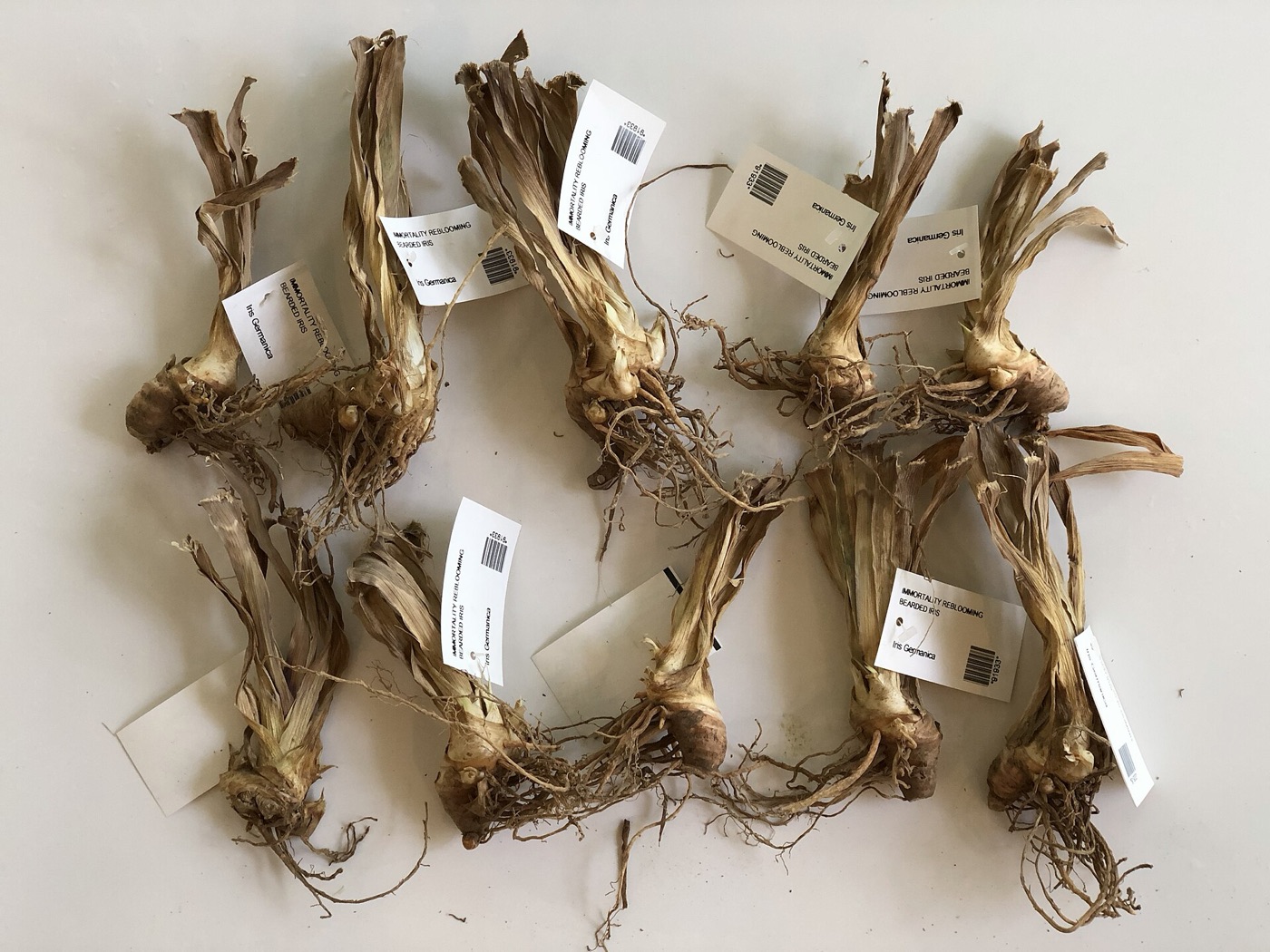
This guide covers what to expect in the first weeks, how to water and shade new divisions, and the signs that tell you to rescue, replant, or compost the piece and move on. It applies to common clump-forming perennials (hostas, daylilies, asters, ornamental grasses and similar); rhizome divisions such as bearded iris follow the same logic but with their own replanting depth.
What is normal after dividing
Dividing a perennial removes a large portion of its roots in one go. Until those roots regrow, the plant cannot supply its leaves with as much water as before, so it wilts, pauses, and sometimes sheds foliage. All of the following are normal in the first few weeks:
- Drooping or wilting leaves, especially in warm afternoon sun, as long as the plant perks up again by evening or morning.
- A few yellowing or browning lower leaves. The plant is cutting its losses; trim these off once they are clearly dead.
- No new top growth. The division is putting its energy into roots first. Several weeks of stillness is typical.
- No flowers, or few, in the first season. Iowa State University Extension notes that most newly divided perennials do not bloom well until their second growing season — a quiet first year is not failure.
- A smaller plant than the parent. A division is, by definition, a fraction of the original clump and will look it for a while.
Spring-divided plants often flower a little later than usual, and autumn-divided plants may sit almost dormant until spring. Neither is a problem on its own.
Care in the first few weeks
Everything here aims at one goal: keep moisture steady while the roots regrow, without drowning them.
- Water in well at planting. The RHS advises planting divisions as soon as possible and watering them in thoroughly. Settle the soil around the roots so there are no air gaps.
- Then water deeply, not constantly. RHS watering guidance is to water less often but more thoroughly, letting the surface dry before you water again, rather than following a fixed schedule. A division that is drooping early in the morning — not just in afternoon heat — genuinely needs water.
- Keep it up through the first growing season. Iowa State University Extension recommends keeping newly divided perennials well watered for the entire first growing season, not just the first week. Ease off only as growth becomes vigorous.
- Give temporary shade in hot weather. A piece of shade cloth, an upturned crate, or a neighbour plant's shadow for the first week or two reduces water loss while roots catch up. If your divisions are in pots, simply move them somewhere bright but out of direct midday sun — Iowa State suggests a shaded, protected spot for divisions waiting to be planted out, and the same logic helps newly planted ones in a heatwave.
- Cut top growth back if you divided late or in leaf. Clemson University's Home & Garden Information Center recommends pruning stems and foliage back to about 15cm (6in) when dividing, specifically to reduce moisture loss. If your divisions still carry a full head of foliage and keep wilting, trimming them back is a legitimate fix, not a defeat.
- Mulch lightly to hold moisture — but keep mulch off the crown itself, since a buried, damp crown is an invitation to rot.
- Hold off on feeding. Pushing leafy growth before the roots can support it makes shock worse. Wait until you see steady new growth; general guidance is to let divisions establish before any fertiliser.
The morning test
Wilting that disappears overnight is usually just heat and a small root system. Wilting that is still there at breakfast, in cool air, tells you the roots cannot keep up — check the soil before assuming it needs more water, because soggy soil causes the same symptom.
Normal shock vs real failure
Use the whole picture — soil, crown, roots and time — rather than any single symptom:
| What you see | Probably normal shock | Probably a real problem |
|---|---|---|
| Wilting | Droops in afternoon sun, recovers by morning | Limp even in a cool morning; soil either bone dry or waterlogged |
| Leaves | A few lower leaves yellow, then stop | Rapid yellowing of most leaves, or blackening at the base |
| Crown or rhizome | Firm when pressed | Soft, mushy or foul-smelling — rot, usually from wet soil or planting too deep |
| Roots (lift one piece to check) | Firm, pale or cream-coloured | Black, slimy or brittle-dry with no white tips |
| New growth | Nothing for two to four weeks while roots rebuild | Nothing after about four to six weeks of mild weather and correct watering |
Overwatering is the most common way "care" kills a new division: roots that have just been cut back sit in wet soil and rot before they can regrow. Soggy and starving produce the same limp leaves, which is why the check is always the soil and the crown, not the foliage.
Rescue checks before you give up
- Check the soil first. Push a finger 5cm (2in) down. Dust dry — water slowly and deeply, then mulch. Wet and heavy — stop watering and improve drainage around the plant.
- Lift one division and inspect it. Healthy roots are firm and pale. Trim away any mushy or hollow sections with a clean knife, back to firm tissue.
- Move a struggling division into a pot. Fresh, free-draining peat-free compost and a shaded spot let you control moisture far better than open ground. Potting up a failing division is easier to manage than repeated digging in the border.
- Reduce the leaf load. Cut remaining top growth back by half or more so the roots have less to supply.
- Then leave it alone. A rescued division needs weeks, not days. Resist the urge to keep lifting it to check — each disturbance resets the clock.
When to stop and replace it
Not every division survives, and keeping a dead one in the ground helps nobody. Stop and compost it when:
- The crown, rhizome or roots are rotted through, or dried out and dead, with no live buds or eyes left to grow from;
- You have corrected the watering and given it roughly six to eight weeks of the growing season with zero new shoots;
- Autumn divisions went into the ground too late to root — Clemson advises allowing at least four to six weeks before the ground freezes — and winter has heaved or killed them before establishment.
If a whole batch failed, check the shared cause before buying replacements: planting depth (crowns buried too deep rot), timing (mid-heatwave division is risky for anything), or a species that simply resents disturbance. Butterfly weed, false indigo, oriental poppies and hellebores are among those Clemson and Iowa State list as difficult to divide — for those, seed or cuttings are kinder routes to more plants.
Frequently asked questions
How long does transplant shock last after dividing?
Expect a few weeks of drooping and stillness, then slow recovery through the first season. Judge success by the following season: most divisions do not bloom properly until their second year, and that delay is normal.
Should I cut off the wilted leaves?
Remove leaves once they are clearly yellow or dead, but leave green growth on — even drooping green leaves keep feeding the roots. If wilting is severe, cutting all top growth back by half to two-thirds reduces the load on the roots and often helps.
Can I move a struggling division to a better spot?
Once, yes — into a pot or a shaded bed if its current site is waterlogged or scorching. But do not move it repeatedly; every lift damages the new roots it is trying to grow. Fix water and shade in place first.
Related guides
- How to Divide Hostas and Daylilies
- How to Divide Bearded Iris (and Get More Flowers)
- How to Divide Ornamental Grasses
Sources and research notes
Care and diagnosis guidance here follows UK (RHS) and US Cooperative Extension advice. Establishment windows are given relative to your local frost dates and growing season rather than fixed calendar dates, because timing differs by region; the Clemson guidance reflects the southeastern US and Iowa State the Midwest. Results vary with soil, weather and species.
Written and edited by the Seedledge Editorial. Every guide answers one real growing question, is checked against the sources listed above, and is updated when guidance changes. We are an independent editorial desk, not horticultural professionals — read how we research and update our guides.