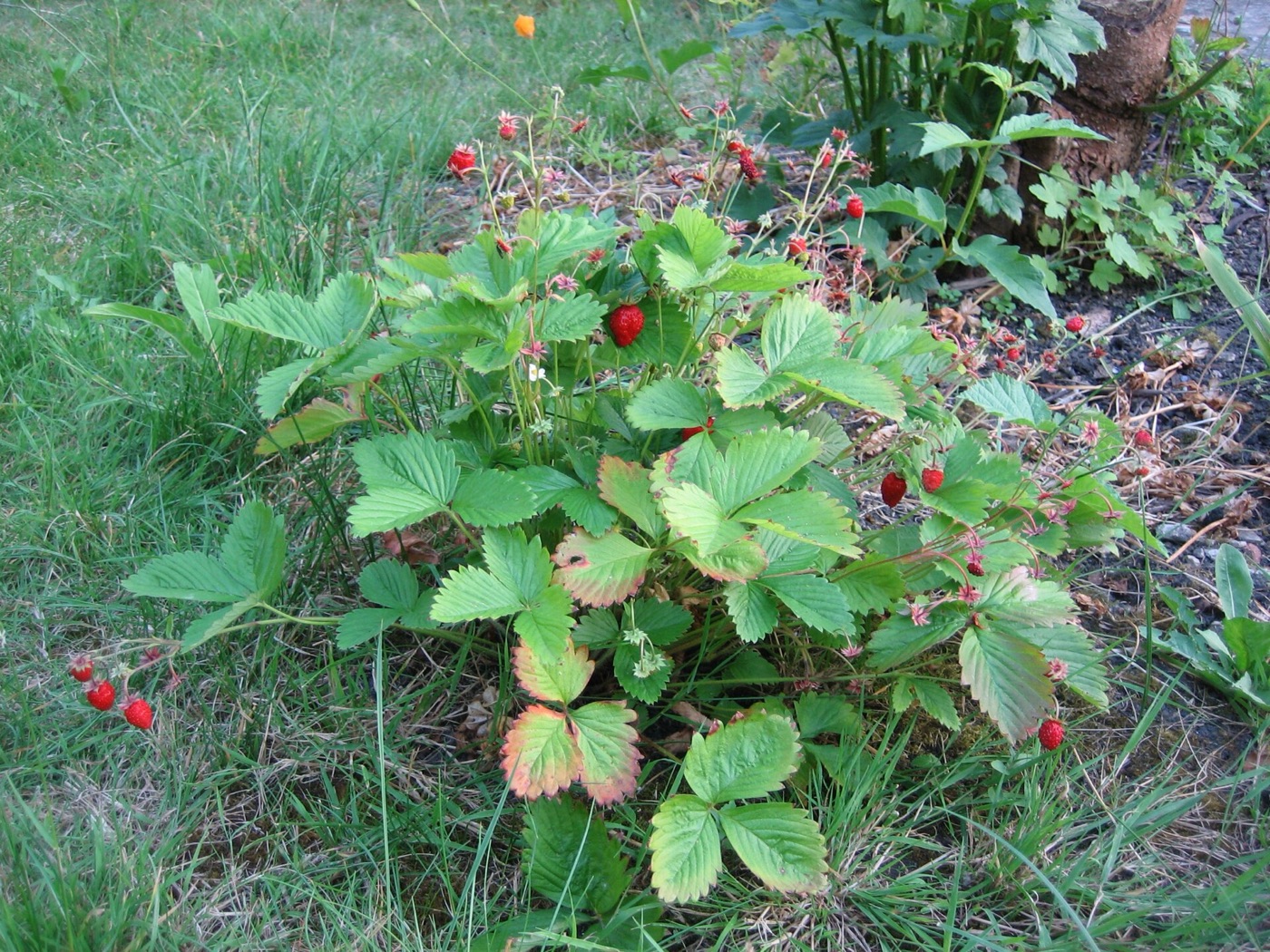
How to Propagate Strawberry Runners
Strawberries make their own new plants on runners. Rooting a few properly is the cheapest way to replace ageing plants — here is the checklist.
Strawberry plants throw out long stems called runners, and each runner can produce a new plantlet with its own roots. Left alone, these root where they touch soil and form a crowded mat. Guided onto fresh ground, they are free replacement plants — which matters, because strawberry beds crop best when plants are replaced every few years.
Before you start
- Choose healthy parent plants. Take runners from your best croppers, not the weakest — vigour and flavour follow the parent.
- Pick the strongest plantlet. On each runner, keep the first one or two plantlets nearest the parent; discard the rest of the chain.
- Avoid plants that have fruited heavily and look tired — they pass on the same decline.
- Sort out where they will go. Fresh ground, or pots, ready before the plantlets root.
Step by step
- Let a runner run. Leave it attached to the parent so it keeps feeding the plantlet.
- Guide the plantlet onto soil or a pot of compost placed beside the parent.
- Hold it down with a small peg or a little soil so the base makes contact.
- Water it in and keep it moist while it roots — usually two to four weeks.
- Cut the runner once rooted, severing it from the parent with clean snips.
- Move or plant out the young plant, spacing it to grow on.
Root them into pots, not the bed
Rooting plantlets into small pots makes them easy to move, transplant and give away, and lets you control the compost they start in.
Aftercare checklist
- Water new plantlets through dry spells for their first season.
- Remove the first flowers on young plants so energy goes to roots and leaves.
- Keep the bed weeded — young strawberries compete badly with weeds.
- Replace the parent bed every three or four years, using these new plants.
Which runners to keep
Not every runner is worth keeping. Favour plantlets from the earliest, strongest runners of the season, and take them from plants that fruited well rather than the ones that struggled. Keep only one or two plantlets per runner: the further along the chain a plantlet sits, the smaller and weaker it tends to be. If you take more than you need, pot the spares on and share them — strawberry plantlets transplant easily and make good gifts.
The best time to root runners
Strawberries send out runners after fruiting, so midsummer to early autumn is the natural window. Root plantlets early enough that they establish before winter — a well-rooted plantlet will crop the following summer. Late-rooted plantlets are more likely to be checked by cold, so if you take them towards the end of the season, pot them and overwinter somewhere sheltered rather than planting them straight into a cold bed.
Common problems
- Plantlets dry out before rooting: keep the potting compost moist and peg the plantlet firmly against it.
- Runners from weak plants: the new generation inherits it — always take runners from your best croppers.
- Crowded bed: plantlets rooting where they land create a mat that competes for water and nutrients; guide them into pots or fresh ground.
- No fruiting next year: young plants use their energy establishing; removing the first flowers helps them build up before cropping.
Renovating an old bed
If a bed has run down, runners are the way to start again without buying plants. Mark the best-cropping plants, root a few runners from each into pots, then clear the old bed entirely and replant with the new plants on fresh ground. Strawberries should not follow strawberries in the same soil where disease has built up, so move the new bed to a different spot if you can. Replace the whole bed every three or four years, using the runners you rooted the season before — that cycle keeps yields up and disease down.
Which plants make the best parents
Strawberry varieties differ in how freely they runner. Some produce a mass of runners and few berries; others crop heavily and throw few runners, which makes them harder to propagate. If your plants crop well but runner sparsely, you may need to keep the whole bed longer or buy in fresh plants. In general, though, one healthy plant roots more than enough plantlets to replace itself many times over, so the limit is usually space rather than supply.
Tools for this guide
Related guides
- How to Divide Bearded Iris (and Get More Flowers)
- How to Divide Hostas and Daylilies
- How to Divide Ornamental Grasses
Sources and research notes
This guide follows UK horticultural guidance on propagating strawberries from runners.
Written and edited by the Seedledge Editorial. Every guide answers one real growing question, is checked against the sources listed above, and is updated when guidance changes. We are an independent editorial desk, not horticultural professionals — read how we research and update our guides.