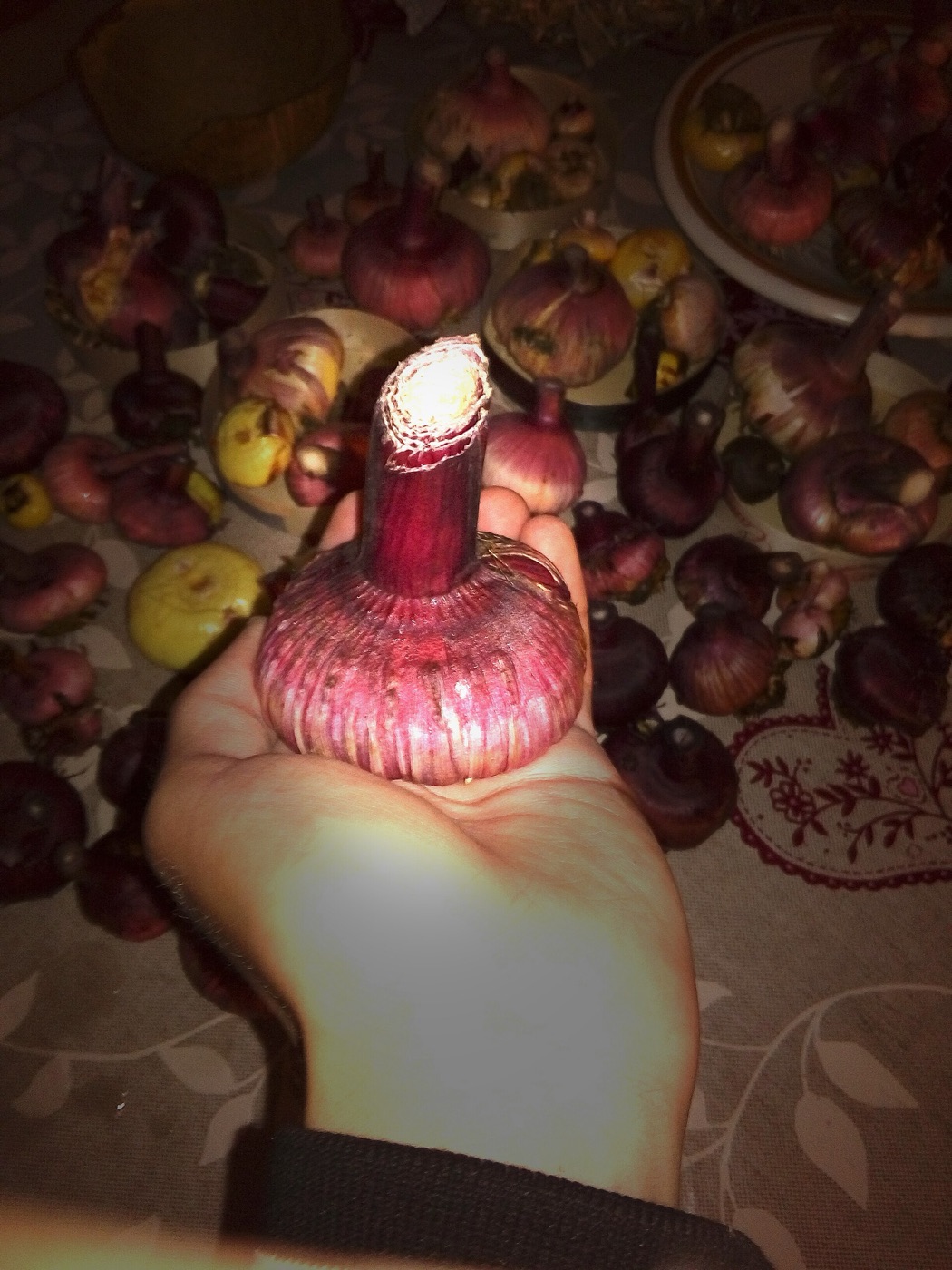
How to Store Gladiolus Corms Over Winter
Gladioli are not reliably hardy, so in cold gardens the corms need lifting in autumn and storing dry until spring. Cure them properly and they keep for months.
Gladioli flower from corms, and although they are often sold as hardy, they are not reliable in cold, wet winters. Leave them in heavy ground and many will rot before spring. Lifting and storing the corms over winter is the sure way to keep the same varieties going year after year — and the old corm is replaced by a fresh one, so well-kept stock renews itself.
When to lift
Wait until the leaves have yellowed and died back after flowering, usually six to eight weeks after the flowers fade. The foliage feeds the new corm for next year, so cutting it off early weakens the plant. Once the tops have gone over, the corms are ready. Lift before the ground gets cold and wet, ideally on a dry day.
Lifting and curing
- Fork the corms up. Ease them out with a fork, working underneath so you do not pierce them. Shake off the loose soil but do not wash them.
- Cut the stems back. Trim the stems to about 2–3 cm above the corm.
- Cure in the dry. Spread the corms in a single layer somewhere dry, airy and frost-free for two to three weeks. The old, shrivelled corm at the base separates from the new one as it dries, and the skin toughens.
- Clean and sort. Rub off the dried remains and discard any corm that is soft, mouldy or damaged. Keep the firm, plump new corms.
Storing
| Method | How |
|---|---|
| Trays or boxes | Store in a single layer in a cardboard box or tray, corms not touching, somewhere cool and frost-free. |
| Paper bags | A few corms per perforated paper bag, loosely, hung in a cool shed. |
| Dry compost | Layer corms in a box of dry compost or vermiculite so they stay dry but protected. |
Ideal conditions are cool — around 5°C — dry and dark, with good air movement. Check the store once a month and remove anything that has gone soft or furry, so one rotten corm does not spoil the rest.
In mild gardens
If your winters are mild and your soil free-draining, gladioli can often stay in the ground with a thick mulch over the planting spot. Lift and store only the varieties you value most, or if a cold, wet spell is forecast. In cold or heavy-soil gardens, lifting every autumn is the reliable choice.
Replanting
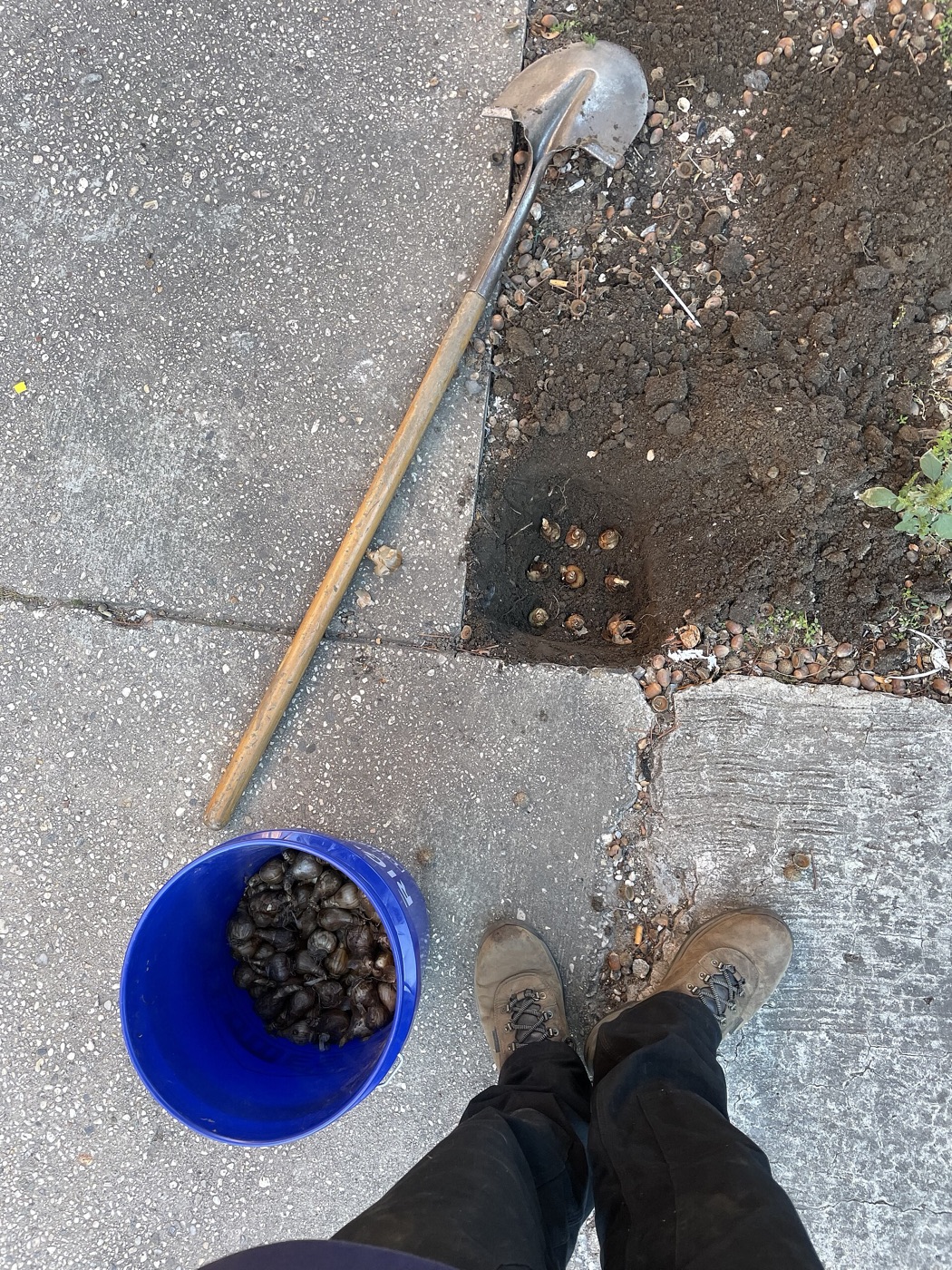
Plant the corms out again in spring, once the soil has warmed and the risk of hard frost has passed. Set them about 10–15 cm deep and 10–15 cm apart in full sun, pointed side up. A little grit under each corm improves drainage. Water them in, and they will flower from mid to late summer.
Corm size and flowering
The size of the corm you keep decides the quality of next year's flowers. Large, plump corms carry more stored energy and produce taller spikes with more flowers. Small corms, often called cormels, are the little offsets that form around the base; keep them too, but plant them in a nursery bed and expect only leaves, not flowers, in their first year while they bulk up. Throwing them away means waiting longer for new stock.
Because a fresh corm forms on top of the old one each season, a well-tended gladiolus renews itself year after year. Sorting out the plump corms from the small ones as you store them makes planting quicker in spring.
Do I keep the old corm or the new one?
The new corm that forms on top of the old one is the one to keep. The shrivelled old corm below it is spent and can be discarded once it separates.
Why did my stored corms go mouldy?
Almost always damp, either from lifting them wet or storing them somewhere humid. Dry them thoroughly and keep the store cool and airy.
Tools for this guide
Related guides
- How to Store Canna Rhizomes Over Winter
- Do You Need to Lift Tulip Bulbs? When and How to Store Them
- How to Store Dahlia Tubers Over Winter
Sources and research notes
Overwintering method follows UK horticultural guidance for gladiolus corms. Hardiness varies with variety and local climate.
Written and edited by the Seedledge Editorial. Every guide answers one real growing question, is checked against the sources listed above, and is updated when guidance changes. We are an independent editorial desk, not horticultural professionals — read how we research and update our guides.