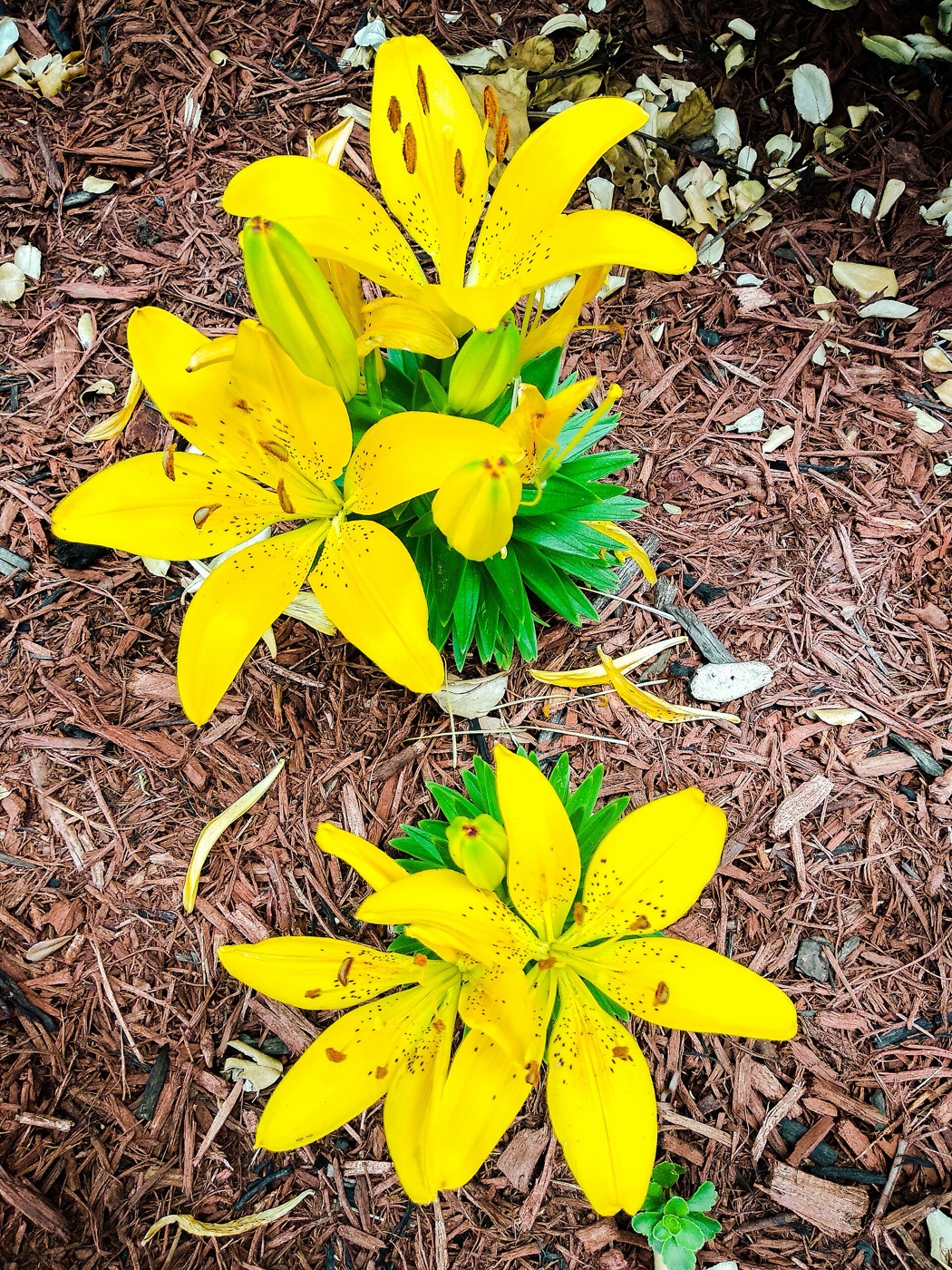
How to Plant Lily Bulbs
Lilies are planted deeper than most bulbs, and unlike tulips they resent drying out. Get the depth and drainage right and one bulb becomes a tall, many-flowered plant.
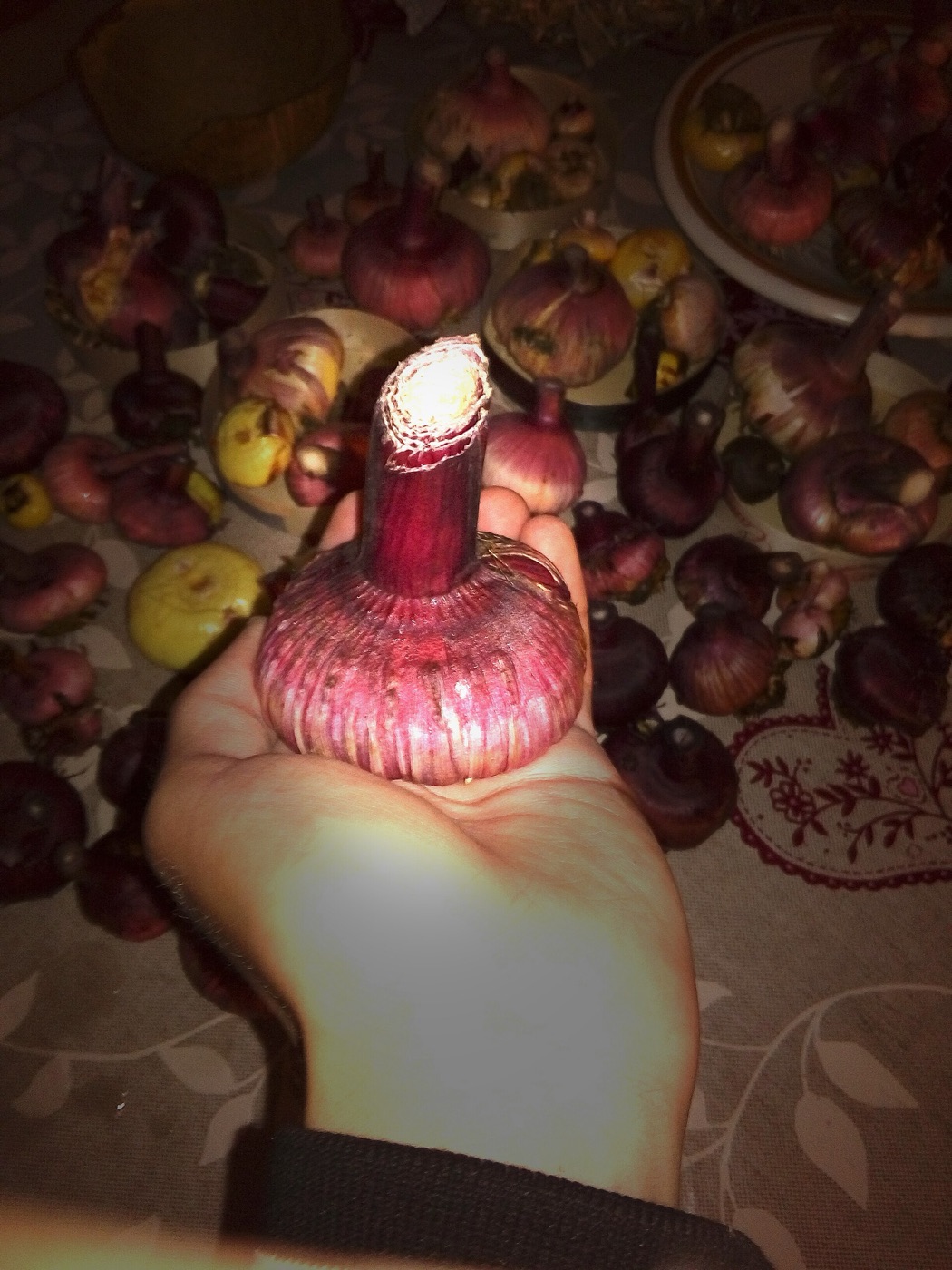
Lilies grow from scaly bulbs that, unlike tulips and daffodils, never fully dry out — they are sold plump and fresh, and they resent being left to shrivel. Planted at the right depth in soil that drains, a single bulb sends up a tall stem carrying many flowers, and the clump increases year after year.
When to plant
| Type | Usual planting |
|---|---|
| Most garden lilies (Asiatic, Oriental, Trumpet) | Autumn, or early spring for bulbs bought then. |
| Bare bulbs bought in spring | Plant as soon as you get them — do not let them dry out. |
| Potted lilies from a garden centre | Any time the soil is workable, in growth or not. |
The one rule that matters is not to let the bulbs dry out before planting. If you cannot plant straight away, wrap them in barely damp compost or paper and keep them cool.
Depth and spacing
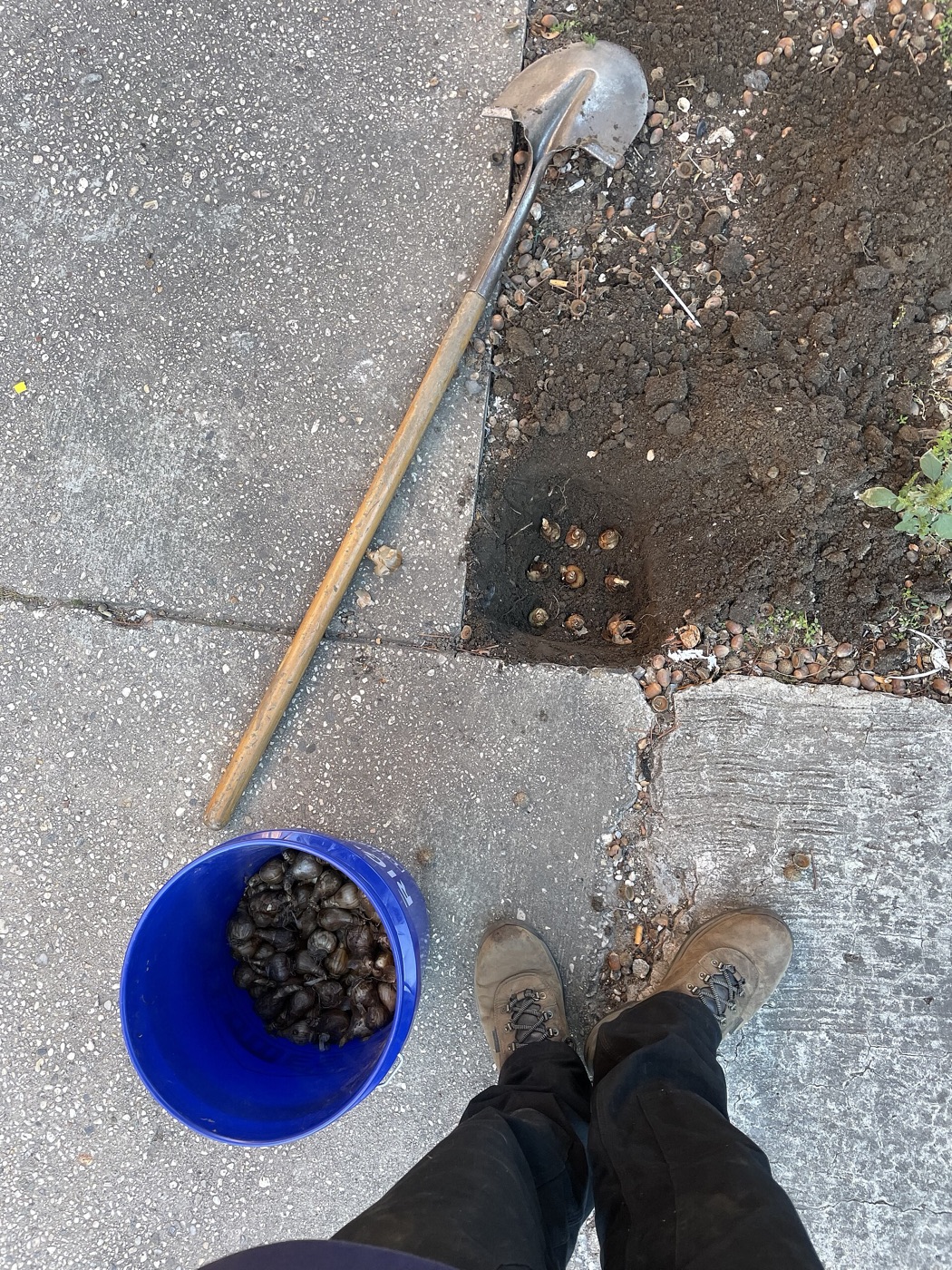
Lilies are planted deep — about three times the height of the bulb, which is usually 15–20 cm. This depth supports the tall stem and keeps the bulb cool and moist. Space bulbs 20–30 cm apart, as each will bulk up and the clump spreads.
Set the bulb on its side if the roots are already emerging, or pointing up if the shoot tip is visible. Plant into soil improved with compost, and add grit beneath the bulb if drainage is poor.
Growing lilies in pots
Lilies do very well in containers, which suits small gardens and lets you choose the best spot. Use a deep pot — lilies need depth for their roots — and a free-draining compost. Plant the bulbs at the same depth as you would in the ground, keep the compost moist through the growing season, and stand the pot where the flowers will get sun but the base stays shaded.
Looking after them
Water regularly while lilies are in growth and flower; they do not like drying out. After flowering, let the stem and leaves die back naturally — do not cut them while still green, as they are feeding the bulb for next year. Once the foliage has yellowed, cut the stems down near the ground.
Watch for the red lily beetle, which eats the leaves. Check plants from spring onward and remove beetles and their larvae by hand. Good airflow and not overcrowding the bulbs helps reduce disease.
Leaving them to multiply
Unlike tender bulbs that need lifting, hardy garden lilies are best left undisturbed to form clumps. As they multiply, the display of flowers grows each year. If a clump becomes too crowded or flowering declines, lift and divide it in autumn, replanting the larger bulbs and potting up the smaller ones to grow on.
Why are my lily bulbs soft and mouldy?
They dried out or were stored too wet before planting. Lily bulbs should be plump and firm — buy them fresh and plant promptly.
Can I plant lily bulbs in spring?
Yes, if you have just bought them. Plant them as soon as the ground is workable; they may flower a little later the first year, then settle in.
Do lilies need full sun?
They flower best with sun on the flowers, but they prefer their roots cool and shaded. A spot where low plants shade the base while the stem reaches the sun is ideal.
Tools for this guide
Related guides
- When to Plant Daffodil Bulbs (and Why Timing Matters)
- How to Store Canna Rhizomes Over Winter
- How to Store Dahlia Tubers Over Winter
Which lilies for which spot
Garden lilies fall into a few broad groups. Asiatic lilies are the easiest and earliest, with little scent and a wide colour range. Oriental lilies are taller and heavily scented, flowering later. Trumpet and Oriental-trumpet hybrids are dramatic and tall, often needing a sheltered spot and a stake. If scent matters to you, choose Orientals; for a tough, unfussy plant, choose Asiatics.
Whichever you grow, plant in a spot where the flowers reach the sun but the base stays shaded and cool — the single detail that keeps hardy lilies happy for years.
Sources and research notes
Planting depth and care follow UK horticultural guidance for lilies. Depth varies slightly with bulb size and species.
Written and edited by the Seedledge Editorial. Every guide answers one real growing question, is checked against the sources listed above, and is updated when guidance changes. We are an independent editorial desk, not horticultural professionals — read how we research and update our guides.