Can You Grow Your Own Saffron? An Honest Guide
Saffron comes from the autumn-flowering crocus, and you can grow it at home. The catch is the yield — it takes a lot of flowers to fill even a small jar.
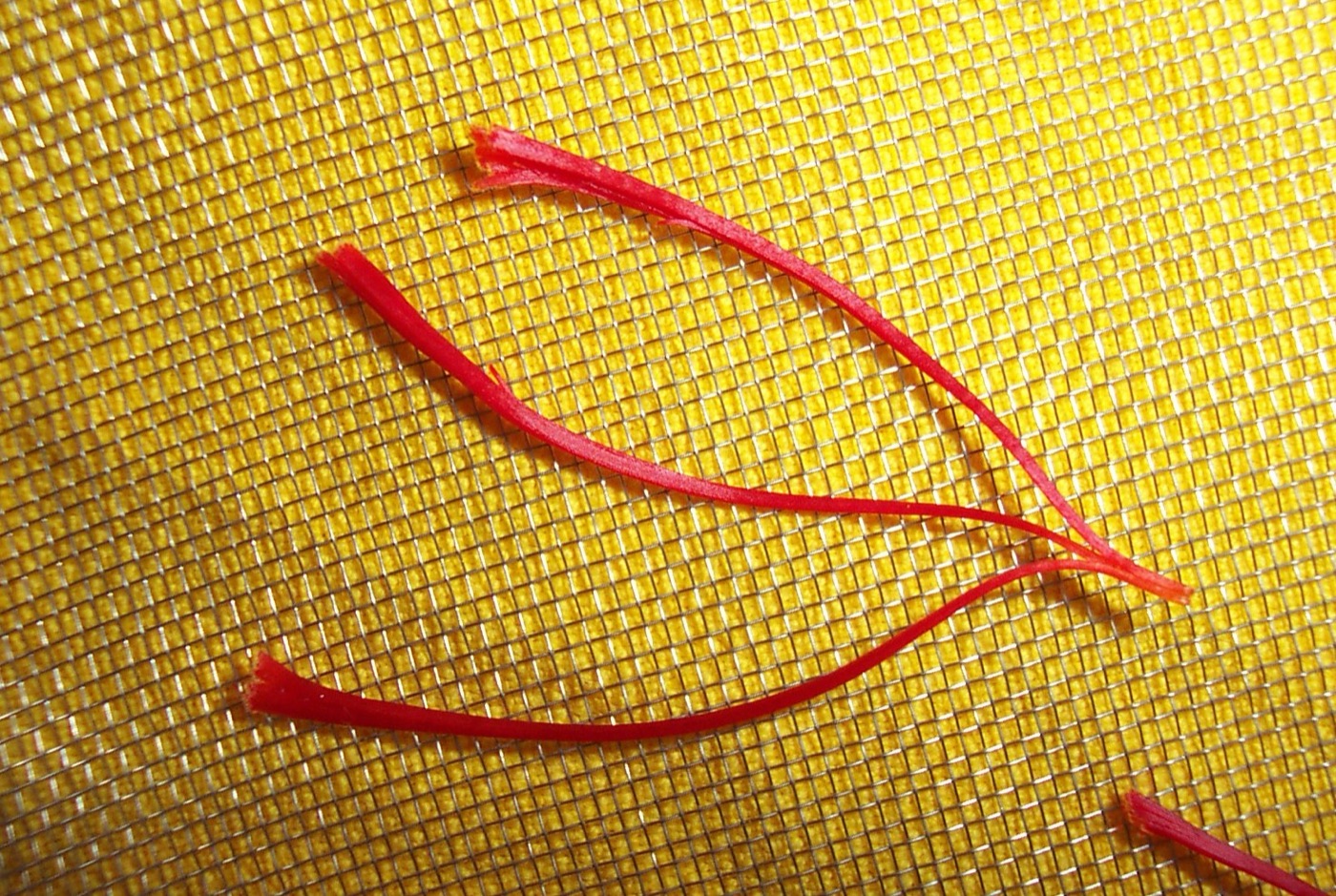
Saffron is the most expensive spice in the world by weight, and it comes from a surprisingly ordinary-looking plant: a small autumn crocus, Crocus sativus, grown from a corm. The spice is the dried red stigmas from inside the flower. Growing it at home is genuinely possible. Understanding the yield before you start saves disappointment.
What saffron actually is
Each saffron flower produces three vivid red stigmas. These are picked by hand on the morning the flower opens and dried, and it takes an extraordinary number of them to make a useful amount — which is exactly why the spice is so costly. A crocus bulb flowers for only a short window each autumn, and the flowers last a day or two at most.
So the honest headline is this: you can grow saffron, but it is a small-scale pleasure, not a way to fill the spice rack.
How to grow it
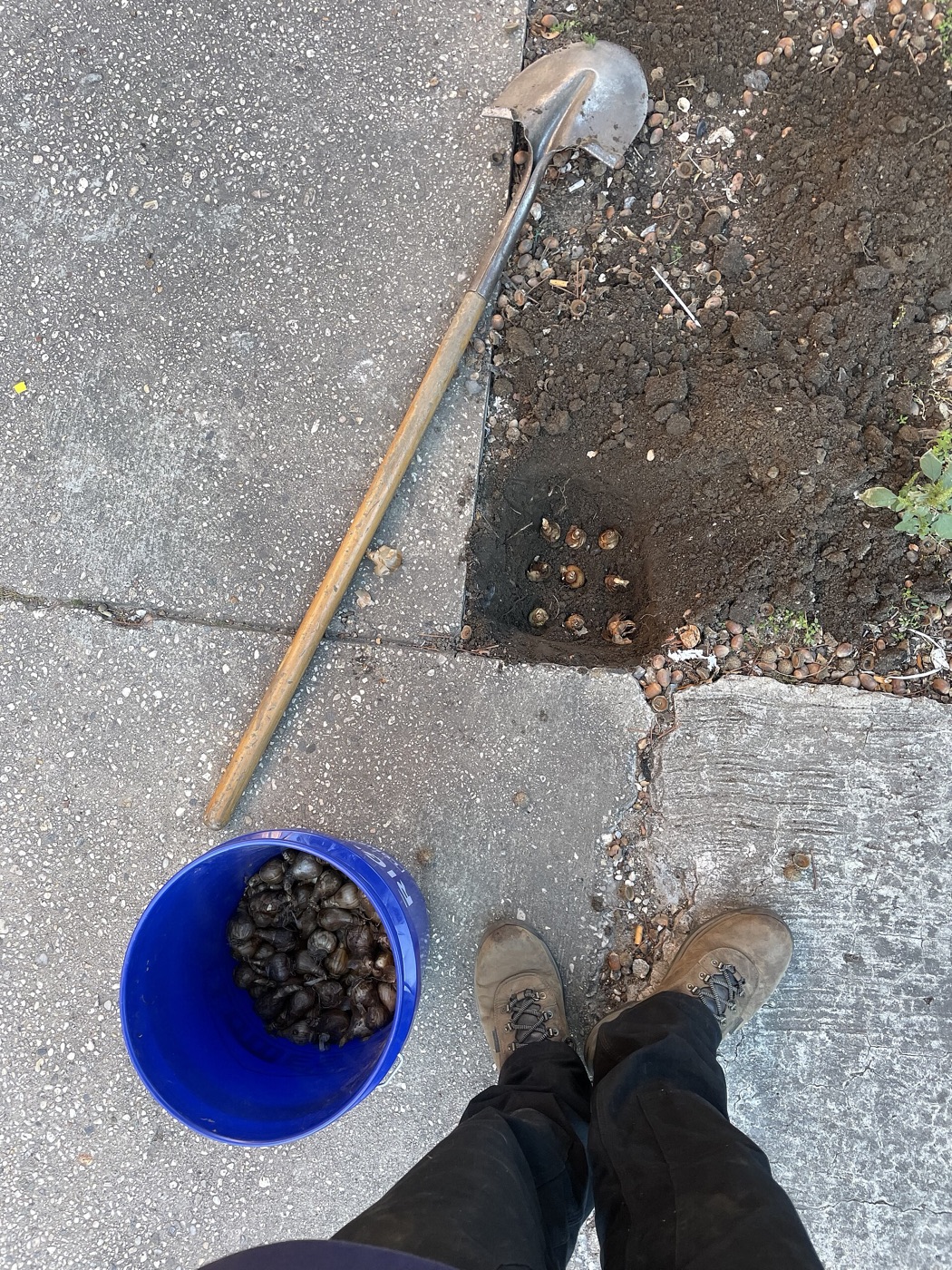
- Plant corms in late summer. Saffron crocus are planted in late summer to early autumn, in time to flower that same autumn. Set the corms about 10–15 cm deep, pointed end up, in a sunny spot.
- Give them sharp drainage. These are Mediterranean plants. They want full sun and soil that drains freely; wet, heavy ground rots the corms. A raised bed or a pot of gritty compost suits them well.
- Plant in a cluster. Space them about 10 cm apart. A dense group looks better and is easier to harvest than a scattered row.
- Water sparingly. They need little water, and none at all during their summer dormancy. Too much water is the commonest reason corms fail.
- Leave them in place. Saffron crocus are hardy and naturalise well. Left undisturbed, a clump multiplies over the years, so your harvest grows with time.
Harvesting and drying
Flowers appear in autumn, often after the leaves have started to grow. Pick the flowers as they open, ideally in the morning. Pull out the three red stigmas by hand — this is the fiddly part — and dry them somewhere warm and dark, on a sheet of paper, for a few days until they are brittle. Store them in a small, air-tight jar away from light.
How much you actually get
This is where expectation meets reality. It takes roughly 150 flowers — and therefore around 450 stigmas — to produce just one gram of dried saffron. A single corm makes one or a few flowers per season. So a modest planting gives you enough to scent a special dish or two, not to become self-sufficient.
Think of home-grown saffron as a slow, beautiful experiment. The flowers are lovely, the harvest is a ritual, and the spice you do get is genuinely your own — but a shop jar will always give you more for less effort.
Common problems
- No flowers in autumn. Usually corms were planted too late, or the weather was too dry when they should have been flowering. Give them time — established clumps flower better.
- Corms rot and disappear. Almost always too much water or heavy soil. Improve drainage or grow them in a pot of gritty compost.
- Leaves appear but no flowers. The corms may be too small or too young. Small corms often spend a season or two growing before they flower.
- Mice or squirrels dig them up. A common nuisance with corms. A layer of netting or grit over the planting spot discourages them.
Is saffron crocus the same as the spring crocus in my lawn?
No. Crocus sativus flowers in autumn and produces the red stigmas; spring crocuses are different species and are not a source of saffron.
How long until the corms multiply?
They spread steadily if left in good conditions. A clump left for a few years will produce noticeably more flowers than the first autumn.
Can I grow saffron in a pot?
Yes — a pot of free-draining compost in full sun works well, and lets you control moisture more easily than open ground.
Tools for this guide
Related guides
- How to Store Gladiolus Corms Over Winter
- When to Plant Daffodil Bulbs (and Why Timing Matters)
- Do You Need to Lift Tulip Bulbs? When and How to Store Them
Sources and research notes
Growing guidance follows UK horticultural sources for Crocus sativus. Yield figures are approximate and depend on corm size, age and conditions.
Written and edited by the Seedledge Editorial. Every guide answers one real growing question, is checked against the sources listed above, and is updated when guidance changes. We are an independent editorial desk, not horticultural professionals — read how we research and update our guides.