How to Grow Sweet Potato Slips from a Shop Tuber
A supermarket sweet potato will sprout if you give it warmth and moisture. Those shoots — slips — become new plants, as long as your season is long and warm enough to finish them.
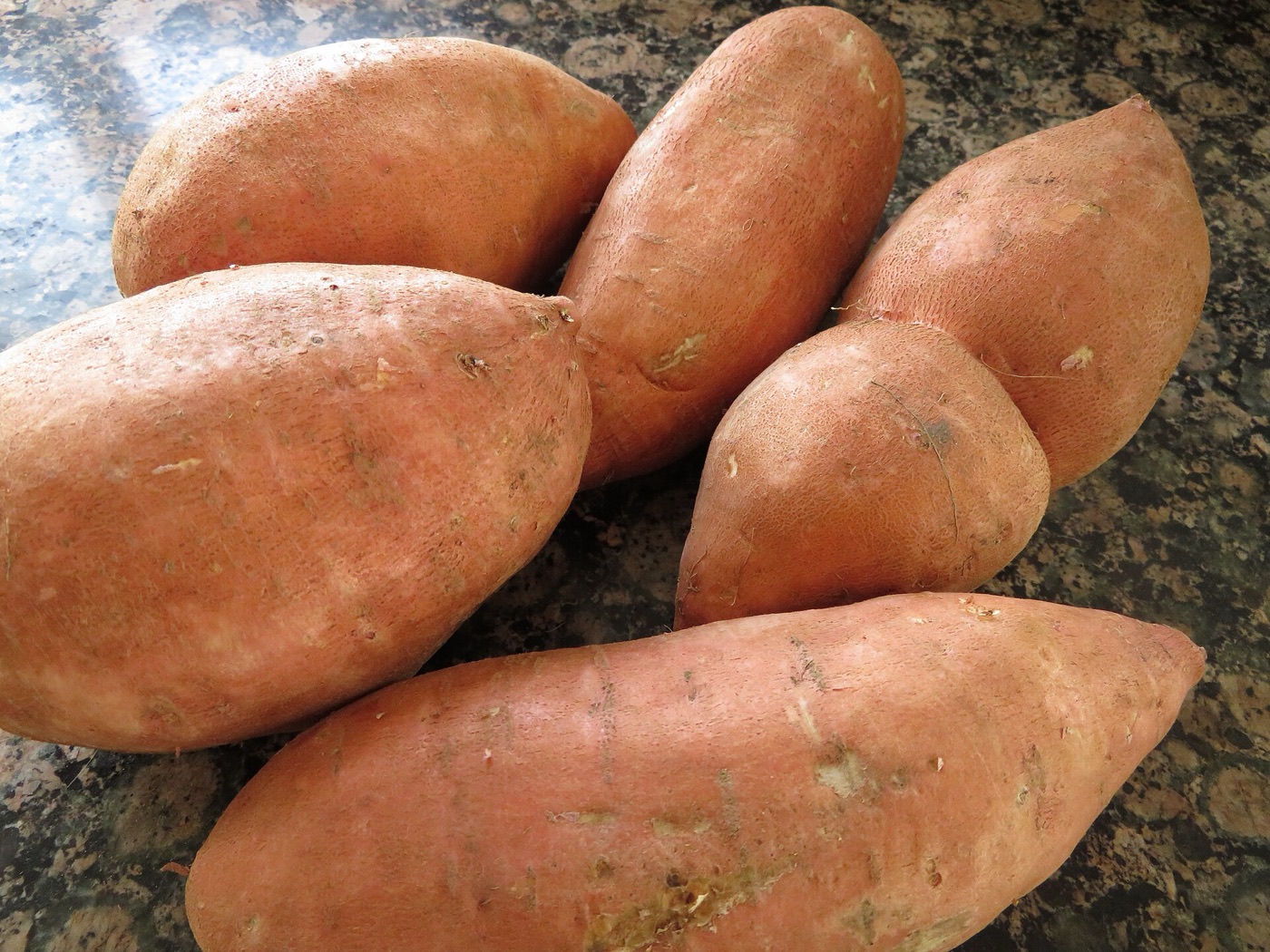
Sweet potatoes are grown not from seed but from slips — rooted shoots that sprout from a stored tuber. You can buy slips by post, or you can raise your own from a single supermarket sweet potato on a windowsill. The process is simple and oddly satisfying. The catch is climate: sweet potatoes need a long, warm season, so in cool regions a shop tuber is a starting point, not a guarantee of a crop.
What a slip is
A slip is a young shoot with roots that grows from a sweet potato tuber. Each tuber can produce many slips. Once rooted and planted out, a slip grows into a vine that roots along the ground and, given time, forms new tubers. It is a slower route than planting a tuber directly, but it gives you many plants from one root and suits container growing.
Raising slips, step by step
- Choose a healthy tuber. Pick a firm, unblemished sweet potato with visible "eyes". Avoid anything soft or sprouting mould.
- Suspend it in water. Push wooden skewers or toothpicks into the middle so the tuber can rest in a jar or glass, about half submerged. The bottom half stays in water; the top stays dry.
- Keep it warm and bright. A warm, light windowsill works best. Sweet potatoes need warmth — around 20–25°C — to sprout, and cool kitchens stall them.
- Top up the water. Keep the level steady and change it every few days to stop it going stale.
- Wait for shoots. In a few weeks, shoots appear from the top. Let them grow to about 10–15 cm with a few leaves.
- Detach the slips. Twist each slip off the tuber, or cut it away with a clean knife. Put each slip in water to root, or pot it straight into compost.
- Root and plant out. Once slips have a good set of roots, plant them out or into large containers, once the soil is warm and all risk of frost has passed.
The reality check
- They need a long season. Sweet potatoes take several months of warm weather. In short-season climates, grow them under cover or in large pots in a warm, sunny spot.
- Shop tubers are sometimes treated. Some are treated to stop sprouting; if nothing happens after a few weeks in warmth, try another.
- Yield can be modest. A cool, short summer gives small tubers, even when the plants grow well. The vines themselves are attractive, so the effort is not wasted.
- They like poor-ish soil. Rich, loose soil gives lush vines and fewer tubers. A sandy, free-draining soil suits them.
Slips in pots and small spaces
Sweet potatoes do not need a garden bed. In cooler regions they are often grown in large pots or grow-bags in a warm, sunny, sheltered spot, or under cover. A generous container gives the vines room to trail and the tubers space to form. Use a free-draining mix rather than a rich compost, since too much nitrogen produces leafy vines and few tubers.
If space is tight, you can also grow sweet potatoes for the foliage alone — the trailing vines are handsome and edible, and a few small tubers are a bonus. Whichever route you choose, start the slips early enough to give them the full warm season they need to size up.
Looking after the plants
Grow sweet potatoes in full sun and keep them watered while they establish, then let them dry a little between waterings. The vines sprawl widely, so give them room or let them trail from a large pot. Tubers form through late summer; harvest when the leaves begin to yellow, digging carefully to avoid damaging the skins. Cure the tubers somewhere warm and humid for a week or two before storing, which sweetens them and helps them keep.
Related guides
- Can You Really Grow Ginger from a Supermarket Rhizome?
- Can You Grow Garlic from a Supermarket Bulb?
- How to Regrow Spring Onions in Water (and What Really Happens)
Sources and research notes
Growing requirements follow UK horticultural guidance for sweet potatoes, which are grown as a warm-season crop and often under cover in cooler regions.
Written and edited by the Seedledge Editorial. Every guide answers one real growing question, is checked against the sources listed above, and is updated when guidance changes. We are an independent editorial desk, not horticultural professionals — read how we research and update our guides.