Can You Really Grow Ginger from a Supermarket Rhizome?
The knobbly piece sold as "ginger root" is really a rhizome — an underground stem — and it will sprout. Getting a worthwhile crop at home depends on a few things the viral posts leave out.
Ginger is one of the few supermarket buys that genuinely wants to grow. The part you grate is a rhizome — an underground stem — and if you leave it somewhere warm and damp for long enough, pale green shoots push out of the "eyes", just like a potato. That makes it a tempting project, and unlike some kitchen-scrap ideas, it is not a con: you can get real ginger. The catch is how long it takes and how much warmth it needs.
What people promise
The usual claim is simple — bury a piece of shop ginger, wait, and harvest your own. That much is true, with caveats. What the posts rarely mention is that shop ginger is often treated to stop it sprouting, that it is slow, and that it needs warmth a cool kitchen cannot always give.
What you actually get
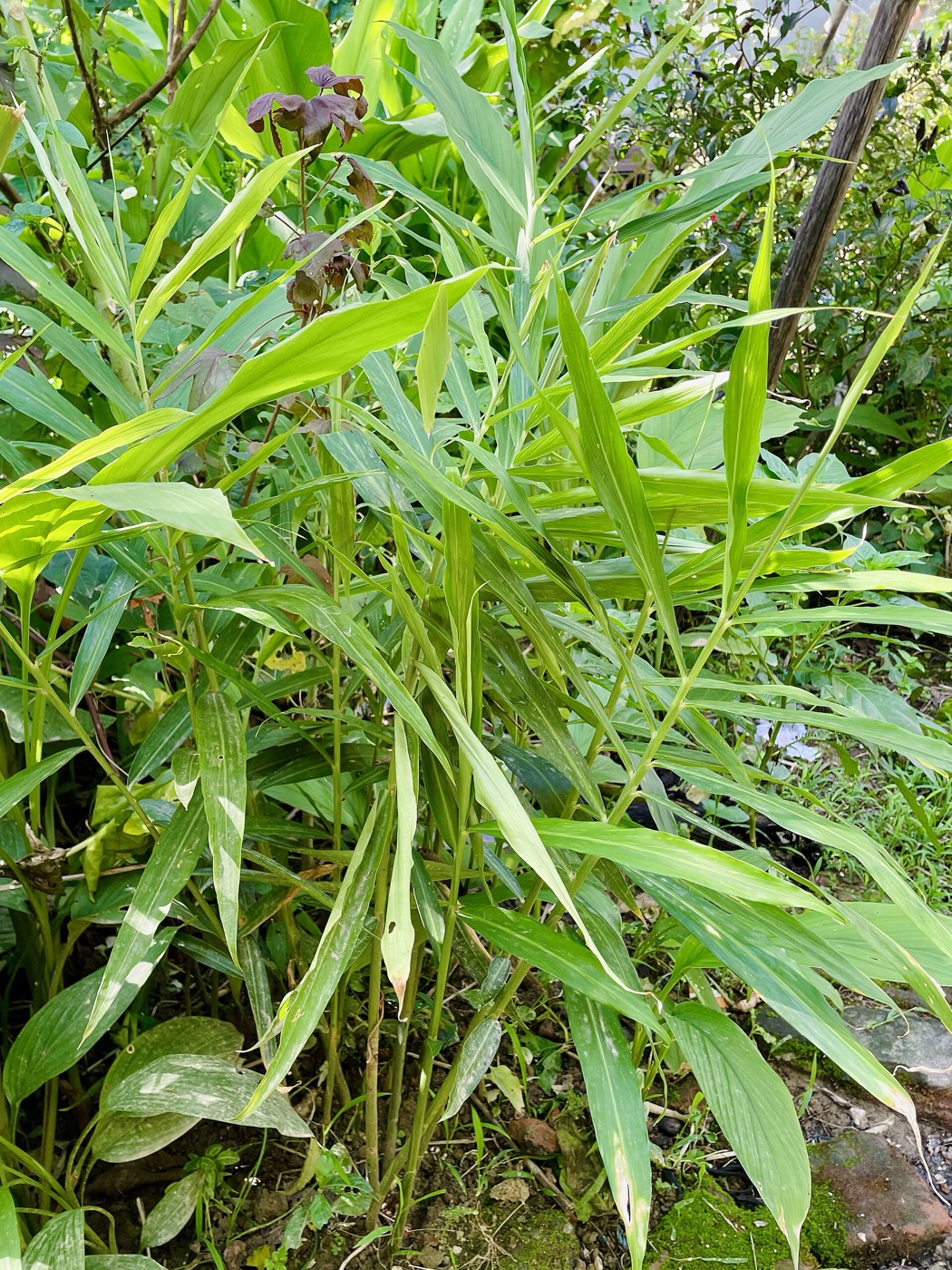
From a single sprouted piece you can grow a plant with tall, reed-like leaves and, over several months, a new rhizome you can harvest. It is more modest than the supermarket rhizome you started with for the first year or two, but it is genuine home-grown ginger, and the plant keeps producing as it grows. Given warmth and time, a pot can keep going for years.
How to do it
- Pick a plump, sprouting piece. Look for a firm rhizome with visible pale buds, or leave a piece in a warm spot until buds appear. Avoid shrivelled or mouldy pieces.
- Soak briefly, then dry. An hour in warm water can help, but do not leave it soaking. Pat it dry.
- Plant it shallowly. Use a pot of free-draining compost and bury the rhizome just below the surface, buds pointing up. A wide pot suits ginger's creeping habit better than a deep one.
- Give it warmth and light. Ginger is tropical. It grows best at around 20–25°C with bright but indirect light. A warm windowsill or a heated propagator helps it start.
- Keep the compost damp, not wet. Water regularly but let the surface dry a little between waterings. Soggy soil rots the rhizome.
- Feed and wait. Once leaves appear, feed occasionally and be patient. Rhizomes thicken slowly; harvest by digging up part of the plant after several months to a year.
The reality check
- Shop ginger may be treated. Some is irradiated or treated to prevent sprouting, and simply will not grow. If nothing happens after a few weeks in warmth, try a different piece or an organic one.
- It is slow. Do not expect a big harvest in one season. Treat the first year as growing the plant; the crop comes later.
- Cold stops it dead. Below about 15°C growth stalls, and frost kills it. In cool climates, grow it in a pot you can move indoors.
- You can also just regrow the leaves. Even without a harvest, a sprouted ginger makes an attractive houseplant.
Harvesting and keeping it going
You do not have to dig up the whole plant to use it. When the rhizome has thickened, you can cut off a piece from the edge, leaving the rest to keep growing. Water the plant afterwards and it will usually carry on. Tidy the soil back around the cut edge so no bare rhizome is left exposed to dry out.
As the plant matures it will send up more shoots, and the underground mass spreads. Every year or two, tip the whole plant out of its pot, break off a healthy piece to replant and use the rest. That way one shop-bought rhizome can keep a kitchen supplied with small amounts for years, as long as you can give it warmth and light through the winter.
Is it worth it?
Yes, if you enjoy watching roots and rhizomes come to life and you have a warm, bright spot. It is a slow, low-effort project rather than a quick return. If you want lots of ginger in a hurry, the shop will always win — but a pot on the windowsill is a pleasing thing to have.
Related guides
- Does the Avocado Pit Trick Actually Work?
- How to Grow Sweet Potato Slips from a Shop Tuber
- How to Regrow Spring Onions in Water (and What Really Happens)
Sources and research notes
Growing requirements reflect general guidance for Zingiber officinale as a warm-climate crop grown in pots in cooler regions.
Written and edited by the Seedledge Editorial. Every guide answers one real growing question, is checked against the sources listed above, and is updated when guidance changes. We are an independent editorial desk, not horticultural professionals — read how we research and update our guides.