Does the Avocado Pit Trick Actually Work?
Suspended over a glass of water, an avocado pit does sprout — that part is real. What the viral posts leave out is how long it takes to get fruit, and how likely it is to taste like the avocado you ate.
It is one of the most repeated kitchen-scrap projects online: balance an avocado pit on three toothpicks over a glass of water, wait, and grow your own avocado tree. The photos are charming. A split pit, a fat white root, a shoot with glossy leaves. It all looks so easy that you wonder why avocados are not free.
So is it real, or is it one of those ideas that works just well enough to keep circulating? The honest answer is: the sprouting is real, and everything people imagine after that mostly is not.
The claim
The promise is usually two things at once — you can grow a tree from a supermarket pit, and eventually that tree gives you avocados. The first half is true. The second half is where the trick quietly falls apart.
Part that works: the pit does sprout
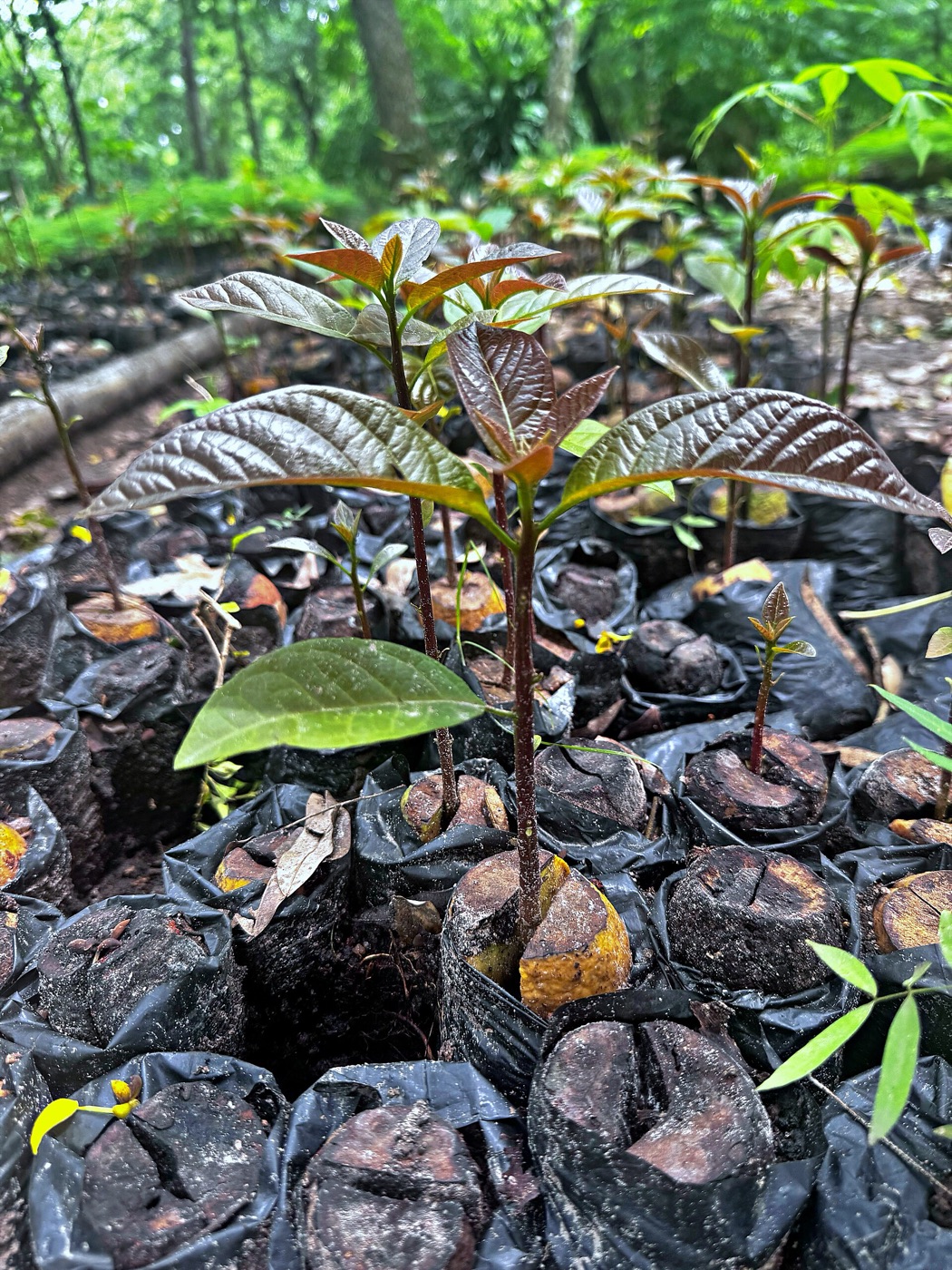
An avocado pit is a seed, and like most seeds it will germinate given moisture and warmth. Suspending it with the rounded bottom in water keeps the lower half damp while the top stays dry, which mimics the way a fallen pit would sit in soil. Within a few weeks the pit splits and sends down a single thick root; a shoot follows soon after. Once it has roots and leaves you can pot it up.
None of that is a myth. It genuinely works, and it is a fine project for a windowsill.
Part that does not: the fruit
Here is what the satisfying photos skip.
- The wait. A seed-grown avocado can take a decade or more to flower, and many never do in a cold climate. A grafted nursery tree is decades ahead of your windowsill pit.
- The taste. Avocado varieties are grown from grafts, not seed. A pit is the genetic offspring of two parents, so its fruit — if it ever comes — is a lottery. It is unlikely to taste like the avocado you ate.
- The conditions. Avocados are tropical trees. Outdoors they need warmth and frost-free winters; indoors they need a lot of light, and a big plant eventually needs a lot of space.
In short: you can absolutely grow the tree. The odds of eating a good avocado from it are very low, and the fruit, if any, is years and years away.
If you still want to try it
- Wash the pit and note which end is up. The slightly pointier end is the top; the flatter, rounder end is where roots emerge.
- Push three toothpicks into the middle of the pit at an angle so it can rest on the rim of a glass, rounder end down.
- Add water so it covers the bottom third to half of the pit. Keep it topped up; do not let it dry out.
- Put the glass somewhere warm and bright but out of harsh midday sun. Wait. Roots can take four to eight weeks.
- When the shoot is several centimetres tall and has some leaves, pot it into free-draining compost, burying the lower part of the pit.
An honest verdict
Try it for the pleasure of watching something grow from a scrap you would otherwise bin. Treat it as a houseplant, not a future harvest. If you really want home-grown avocados, the realistic route is a grafted tree suited to your climate, not a pit from the fruit bowl.
Why shop avocados are grafted
Most fruit you buy is grown on grafted trees. A branch from a known good variety is joined onto a rootstock, so every tree is a clone of a proven, tasty parent. That is how growers guarantee the fruit. A pit takes a different route: it carries a random mix of genes from two parent trees. Sometimes that mix is fine; often it is not. You cannot know until the tree fruits, which is the whole problem.
Grafting also speeds things up. A grafted tree is built from mature wood, so it can flower in a few years. A seedling must grow through its long juvenile phase first, which is why the wait is measured in years rather than months.
What to do with your tree
If you enjoy the project, keep the seedling as an attractive foliage plant. Pinch it to keep it bushy, give it plenty of light, and move it somewhere frost-free before winter. Its glossy leaves make a good indoor tree.
If a friend has an avocado variety you like, a mature seedling can be grafted with a piece of that wood — the only realistic way to get predictable fruit from your home-grown tree.
Related guides
- Can You Really Grow Ginger from a Supermarket Rhizome?
- How to Regrow Spring Onions in Water (and What Really Happens)
- How to Grow Sweet Potato Slips from a Shop Tuber
Sources and research notes
Germination behaviour and the genetics of seed-grown avocados reflect general horticultural knowledge; fruiting times are typical and vary greatly with climate and variety.
Written and edited by the Seedledge Editorial. Every guide answers one real growing question, is checked against the sources listed above, and is updated when guidance changes. We are an independent editorial desk, not horticultural professionals — read how we research and update our guides.